The air in Buenos Aires smells of charcoal smoke, damp concrete, and a very specific kind of collective prayer. It is the scent of a Tuesday night in a neighborhood where the paint is peeling from the stucco, yet every single wall bears the same face. That face looks down from murals painted by hands that have never touched a professional canvas, eyes outlined in midnight-blue spray paint that somehow capture the exhausted, luminous melancholy of a man who carries the weight of forty-five million people in his left boot.
He is walking off the pitch for the final time. We all knew the clock was running out, but knowing a thing and watching the second hand finally seize up are two entirely different categories of grief.
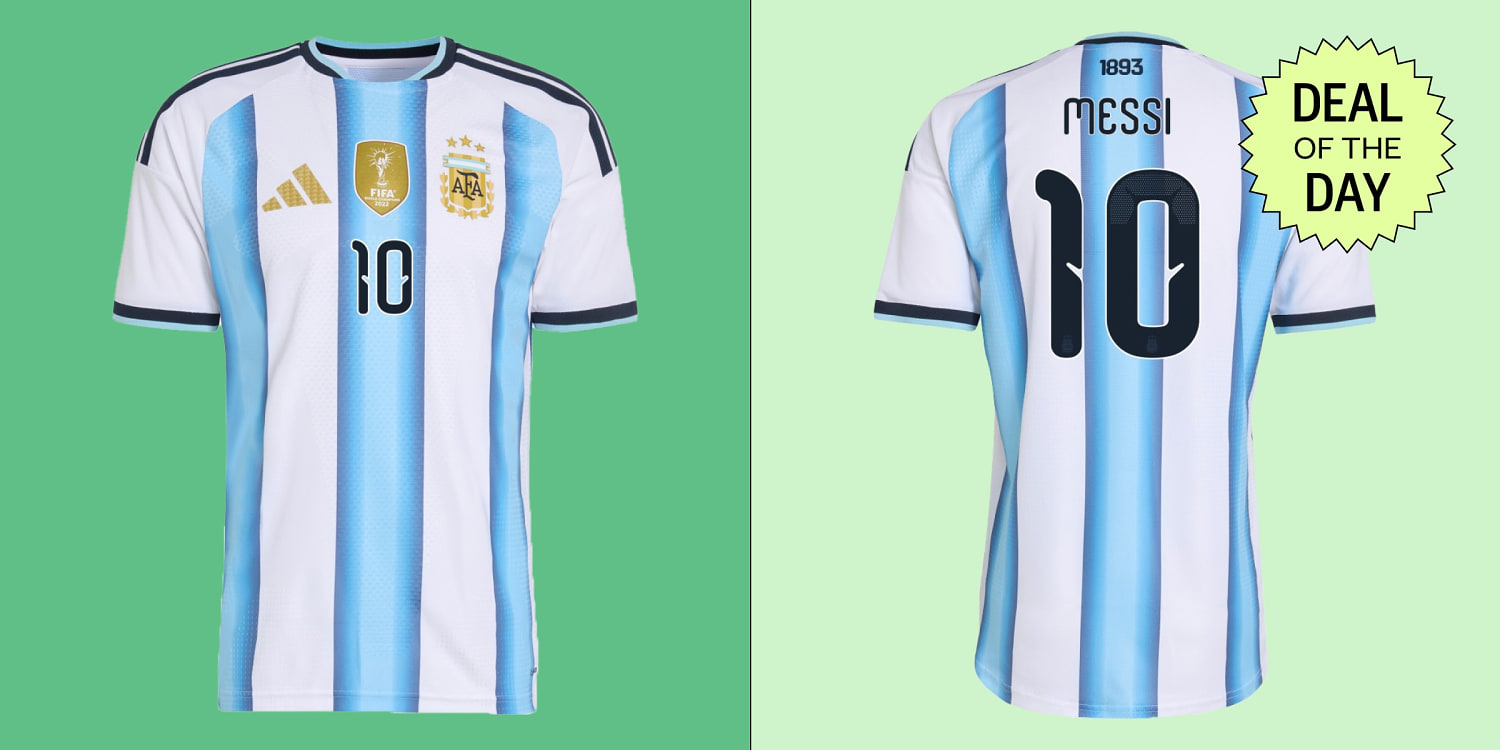
Consider Mateo. Mateo is twelve years old, lives in a cramped apartment in Caballito, and owns exactly one piece of clothing that matters: a replica Argentina shirt from the 2022 winter tournament. The fabric is thin now, worn down at the cuffs from nervous chewing during penalty shootouts, the golden crest slightly cracked from too many cycles in a harsh washing machine. To Mateo, that shirt is not merchandise. It is a suit of armor. It is a promise that brilliance can emerge from cracked sidewalks and inflation-ravaged streets.
When Lionel Messi unties his boots for his national side for the very last time, something structural shifts in the geography of modern devotion. You do not just lose a player. You lose a coordinate.
For nearly two decades, the rhythm of Argentine life synchronized with his calendar. Summers were measured by tournaments in distant hemispheres; winters were spent wringing our hands over hamstring strains and tactical misfits. We argued about him in cafes over lukewarm cortados with the fierce piety of medieval theologians. Was he Maradona's heir? Was he too quiet? Was he carrying a team of ordinary mortals or was the team carrying him through the heavy fog of his own introspection?
We debated until our throats were raw, completely missing the quiet miracle unfolding right in front of us. We were watching a shy kid from Rosario grow old in high definition, wearing his heart on a jersey that constantly threatened to crush him under the sheer mass of its historical debt.
Then came Qatar. The golden confetti falling onto a pitch in Lusail. The strange, heavy cape draped over his shoulders. For a few frantic hours, the collective sigh of a nation could have filled sails across the Atlantic. The narrative of eternal almost-glory snapped. He won. He finally won.
And because he won, the end is allowed to look like this. Quiet. Final. Inevitable.
There is an entire retail ecosystem currently scrambling to monetize this punctuation mark. Walk down Florida Street or check your screen between scrolling through breaking news alerts, and you will see the algorithmic vultures circling. Thirty percent off. Clearance. Final inventory. Grab the relic before the shelves go bare. The commerce of nostalgia moves with terrifying speed, reducing a generational trauma and triumph into a clearance event designed to clear warehouse space by Thursday afternoon.
They want you to buy a polyester artifact as a hedge against forgetting.
They miss the point entirely. You cannot buy the feeling of watching him turn three defenders inside out in a phone booth of space while your heart hammers against your ribs like a trapped bird. You cannot discount-code the memory of that slow, looping pass against the Netherlands that defied the laws of physics and ocular proof.
As a hypothetical exercise, imagine walking into a Buenos Aires sports store tomorrow morning. The metal shutters are halfway up. The neon sign buzzes with a tired, electrical hum. On the rack hangs a row of pristine, unworn white and sky-blue stripes. They smell of factory glue and plastic wrap. They have never felt the sweat of a frantic ninety-fourth-minute counterattack. They have never been stained with mate spilled during a frantic celebration. They are clean. They are silent. They are discounted.
And they are entirely empty.
The real jerseys are the ones already out in the world, living bruised and battered lives. They are the ones worn by taxi drivers who honk twice when they see another fan at a red light. They are the ones stuffed into the bottom of gym bags belonging to kids who practice step-overs in concrete courtyards until the streetlights flicker on.
Messi’s international career is over. The tactical sheets are folded. The flight back to Miami is booked. The endless debates about formations and managerial ineptitude can finally quiet down, leaving behind a vast, echoing silence where the noise used to be.
We are entering the after-times.
This is the strange burden of loving something mortal. You cheer for gods who bleed, who age, who eventually have to take off their boots and walk into the tunnel for good. They leave behind a vacuum that no amount of promotional discounting can ever hope to fill.
So let the digital storefronts flash their neon percentage drops. Let the algorithms churn out their hurried eulogies packaged as shopping incentives. The truth of what happened on those fields—from the raw, bleeding heartbreak of 2014 to the delirious redemption of the desert—lives somewhere deeper than the fiber count of a discounted kit.
It lives in the way a twelve-year-old boy in Caballito still adjusts his collar before walking out the front door, standing just a little bit taller because, for a brief and blinding moment in human history, he shared a sky with a king.