The dust in Herat has a specific weight. It settles on the skin like a fine, gray memory, smelling of parched earth and woodsmoke. For the Shia families of western Afghanistan, the weekend is not a luxury of time, but a sanctuary of spirit. They go to the picnic sites not because the grass is particularly green—it rarely is—but because the act of sitting together under a thin canopy of trees is an assertion of life in a place where life is often negotiated day by day.
Friday was supposed to be about the tea.
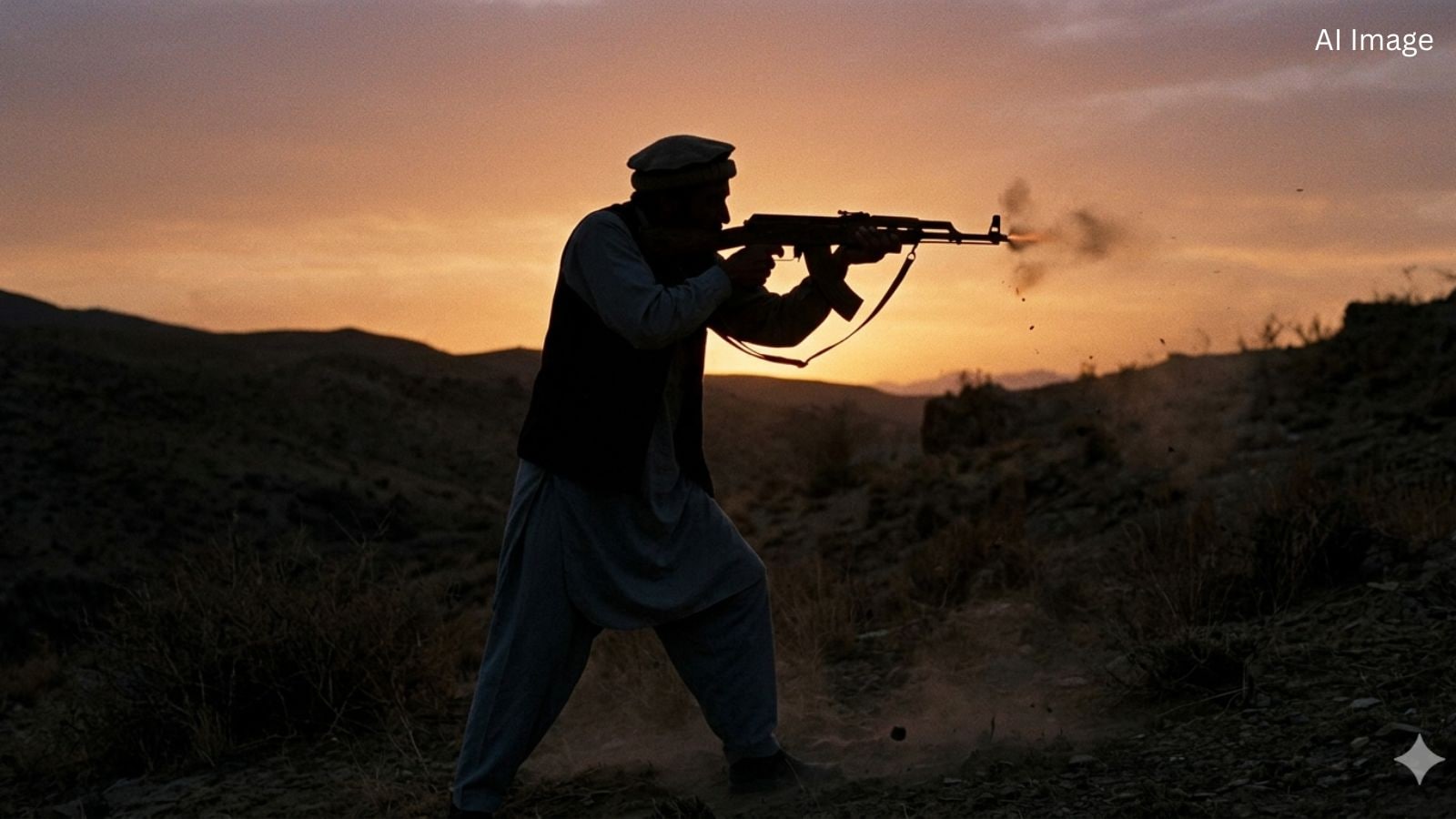
The samovars were bubbling. Children were chasing a deflated ball through the scrub. The laughter of the Hazara and Shia families was the only defense against the crushing silence of the surrounding plains. Then came the motorcycles. The sound of a two-stroke engine in the distance usually signals a traveler or a neighbor, but in the provinces of Afghanistan, that specific mechanical whine often carries the herald of a different fate.
The gunmen didn't stop to argue. They didn't come to rob. They came to erase.
The Geography of a Target
To understand why a picnic becomes a battlefield, you have to understand the map of the heart in Herat. The Shia community, largely comprised of the Hazara ethnic group, has spent decades navigating a landscape of shifting shadows. In the eyes of extremist groups like the Islamic State-Khorasan (IS-K), a family eating yogurt and flatbread under a tree isn't a family at all. They are a theological affront.
Consider the physics of the attack. Armed men on motorcycles swept into the gathering, targeting the most vulnerable—families at rest. The official reports from local hospitals and witnesses describe a chaotic scene where at least six people, including women and children, were cut down in a spray of automatic fire.
Death.
It is a word that has lost its sharpness in the Afghan lexicon through sheer repetition, but for the survivors, the word is a jagged edge. When the shooters fled back into the dust, they left behind more than bodies. They left a shattered sense of domesticity. The picnic blankets were soaked through, the tea was cold, and the ball the children were playing with sat motionless in the dirt.
The Invisible Stakes of a Picnic
Why does an extremist kill a family at a picnic? It is a strategic calculation disguised as religious zealotry. By attacking the most mundane aspects of life—worship, education, and recreation—the attackers aim to make the cost of existence too high to pay. They want to turn every gathering into a gamble.
The Taliban government, which seized power in 2021, often touts its ability to provide "security" compared to the chaotic years of the republic. They claim the war is over. But for the Shia families of Herat, the war has simply changed its face. It has moved from the front lines to the lunch cloth.
When a minority group cannot sit in a public park without the fear of being executed, the concept of "national security" becomes a hollow ghost. The Taliban’s security apparatus is often criticized for its inability—or some say, its lack of will—to protect the Shia community. This creates a vacuum of trust. Every funeral that follows such an attack is not just a mourning of the dead, but a protest against the silence of the state.
The Anatomy of the Aftermath
Imagine the walk back.
The survivors did not have the luxury of a slow, contemplative grief. In Herat, the rituals of the dead move with a frantic, necessary speed. You wash the bodies. You shroud them. You bury them before the sun does its work.
In the local clinics, the floors were slick. The medical staff, accustomed to the trauma of a forty-year war, worked with a grim, practiced efficiency. But there is no medicine for the look in a father’s eyes when he realizes he is the only one left from a group of ten.
We often talk about these events in terms of "casualties" and "incidents." These are sterile words. They strip away the smell of the gunpowder and the sound of a mother’s voice calling a name that will never again receive an answer. The reality of the Herat shooting is found in the small details: a discarded sandal, a half-peeled orange, the way the wind caught the edge of a prayer shawl.
The Persistence of the Targeted
Despite the blood on the grass, the Shia community of Herat remains. This is the part of the story that the gunmen never seem to calculate correctly. Each attack is designed to scatter the population, to drive them into hiding, or to force them across the border into Iran.
Yet, the following week, others will return to the outskirts of the city. They will bring the samovars again. They will spread the blankets.
This isn't just stubbornness. It is a profound, quiet form of resistance. In a world that demands your disappearance, the most radical thing you can do is exist in public. The picnic is an act of defiance. The tea is a manifesto.
The gunmen think they are winning because they have the bullets. They believe that power is the ability to stop a heart from beating. But they are fighting a losing battle against the human instinct for connection. You can kill the picnickers, but you cannot kill the picnic.
The sun eventually set over the site in Herat, casting long, distorted shadows across the plains. The motorcycles were gone. The sirens had faded into the distance. All that remained was the dust, settling slowly, indifferent to the lives it covered, waiting for the next Friday when the steam of the tea would rise once more to meet the sky.