Dirt does not forget.
Ask anyone whose grandfather cleared a stubborn tract of oak and hickory with an aching back and a mule, and they will tell you that the soil holds a ledger. Every drop of sweat, every sulfurous match struck to clear a brush pile, every season of stubborn drought and sudden, flooding rain leaves an imprint. The earth becomes more than property. It becomes a physical archive of endurance.
In South Carolina, a state where the red clay has witnessed centuries of human ambition, two thousand acres of working land just cheated its own ghost.
A single family, staring down the relentless, paved march of modern sprawl, drew a line in the dirt. They signed a conservation easement, a legal anchor dropped deep into the bedrock, ensuring that concrete will never pour over their pastures, that subdivision roofs will never glint where pecan trees drop their weight, and that the horizon will remain unbroken.
Two thousand acres. Think about what that actually means.
It is large enough to get lost in. It is large enough to sustain populations of white-tailed deer, wild turkeys, and silent raptors riding thermals above the treeline. More than that, it is an ecosystem that breathes. While suburban cul-de-sacs multiply overnight, devouring ancient canopies and replacing them with asphalt heat islands, this sanctuary holds its ground.
Silence. That is the commodity you are buying when you protect land like this. Not just the absence of noise, but the preservation of a rhythm that preceded every smartphone, every traffic light, and every zoning dispute.
For generations, this particular tract operated in quiet rhythm. Sunup meant tractor engines coughing to life, the sharp smell of diesel mixing with morning dew. Sundown meant the cooling of cast-iron exhaust manifolds and the rhythmic clinking of latch hooks on barn doors. It was never easy. Farming is an intimate negotiation with uncertainty. You gamble your savings against the sky every spring, hoping for rain that softens the loam without washing away the seed.
Then came the pressure.
It arrives slowly, then all at once. First, it is a surveyor’s wooden stake driven into the roadside ditch a mile down the road. Then, heavy timber trucks rumble past, clearing a neighboring woodlot for a hundred identical houses with manicured, chemical-green lawns. Real estate developers circle like hawks, dangling numbers in front of landowners that look like escape routes. When a family farm faces mounting taxes, aging equipment, and the difficult reality of dividing an estate among children who may not want to wake up at four in the morning to calve a heifer, the temptation to sell becomes crushing.
Cash is loud. Land is quiet.
Most of the time, cash wins.
Drive down any major interstate corridor in the Southeast, and you can watch the rural landscape dissolve into strip malls and distribution centers. Once paved, land is dead. You cannot un-pour concrete. You cannot transplant a two-hundred-year-old white oak back into a median strip. The loss is absolute.
That is why what happened in South Carolina matters. It was not merely a legal transaction involving a land trust and a deed. It was an act of preservation against the gravity of our current economic moment.
Consider the mechanics of how this happens. A conservation easement is essentially a voluntary legal agreement that permanently restricts development on a property to protect its natural or agricultural values. The landowners retain ownership; they can still farm it, hunt it, walk it, and pass it down to their children. But they strip away one specific right: the right to pave it. Forever.
It sounds simple on paper. In practice, it is an act of profound sacrifice. By locking the development potential out of the deed, the family drastically reduces the immediate market value of their own asset. They are trading generational wealth in currency for generational wealth in legacy. They are choosing to look out their kitchen window fifty years from now and see green fields instead of roof shingles.
We live in an era obsessed with speed and scale. Everything must grow. Every acre must be monetized. If a field is not producing housing units or commercial park space, modern economics treats it as wasted potential.
This philosophy is bankrupting our connection to the physical world.
When children grow up surrounded only by drywall and asphalt, a fundamental sensory vocabulary is lost. They do not know the scent of damp earth after a summer thunderstorm. They do not understand the intricate choreography of pollinators moving through a clover patch. They view nature as something you visit in a national park behind a windshield, rather than something that sustains your daily existence.
Protected agricultural land acts as a sponge for carbon, a filter for watersheds, and a refuge for biodiversity. Every acre of working farm that escapes the bulldozer is a small victory against climate instability and ecological fragmentation. It is an investment in air you can actually breathe and water that requires less chemical intervention to drink.
Yet, numbers and environmental metrics miss the emotional core of the story.
The heart of it beats in the quiet spaces between family members who sat around a wooden kitchen table, debating the fate of land their ancestors cleared with axes. Imagine the weight of that conversation. On one side, financial security that could erase every lingering debt and secure college funds for grandchildren. On the other side, a deep, cellular obligation to the dead who trusted them to keep the fences mended and the fields open.
They chose the dirt.
They chose the long view. In a culture that demands immediate gratification and quarterly returns, they chose a timeline measured in centuries.
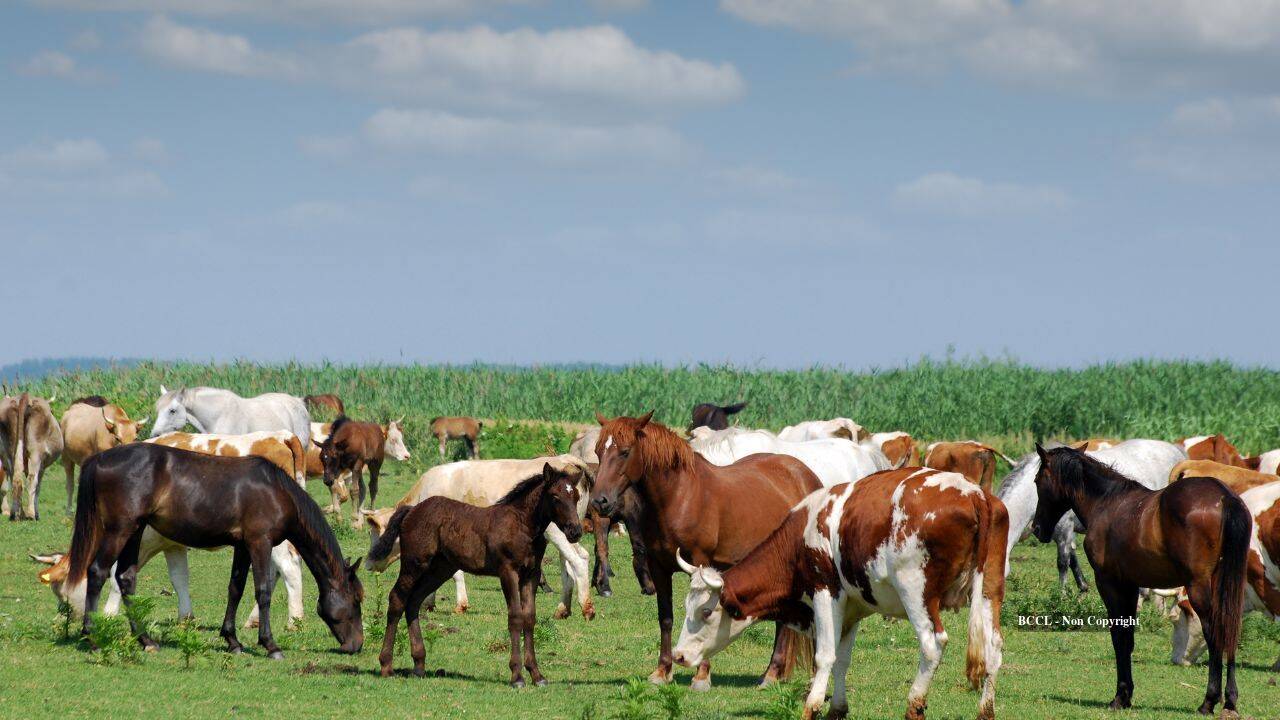
When the legal dust settled and the signatures dried on the historic deal, nothing visible changed on the farm. The sun still rose over the eastern tree line, casting long, fractured shadows across the pasture. The cattle still grazed near the creek bottom, unbothered by municipal ordinances or zoning boards.
The air was just as heavy with the smell of pine and dust.
But underneath the soil, something shifted. A shield had been erected. A promise had been made to the future—a silent, stubborn vow that long after we are all gone, the hawks will still hunt these fields, the creeks will still run clear after the rain, and there will still be a place where the horizon belongs to the earth, not the crane.


