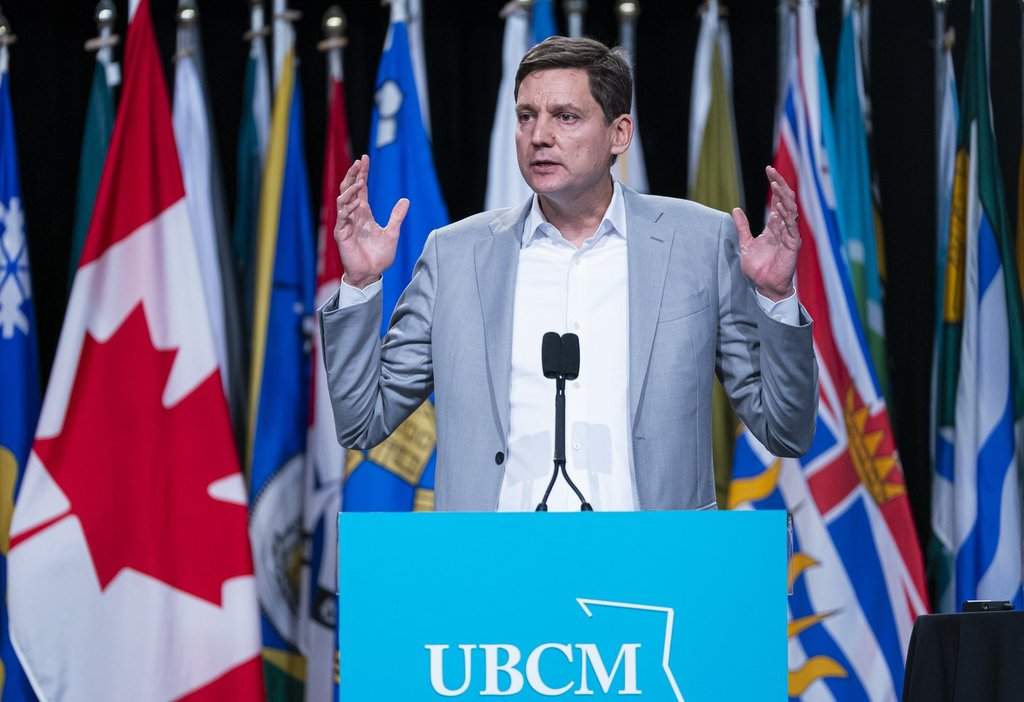
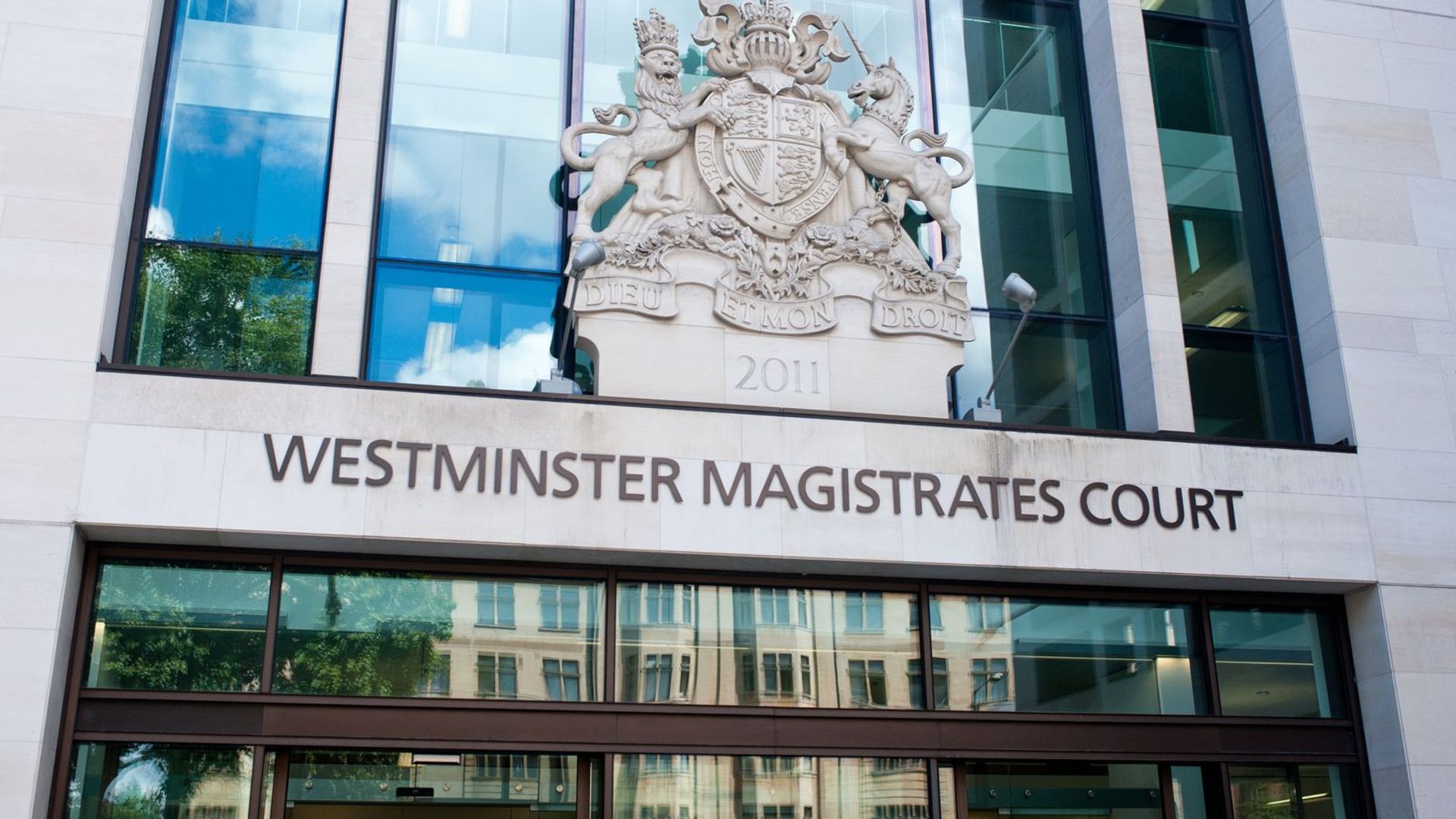
History has a long memory. Sometimes, it takes more than thirty years to catch up with people who thought they had outrun it.
When Dr. Vincent Brown—formerly known as Vincent Bajinya—stood inside a British courtroom, it marked a quiet earthquake in international law. This is the very first time British prosecutors have brought criminal charges relating to the 1994 genocide against the Tutsi in Rwanda. For decades, debates over jurisdiction, extradition refusals, and legal loopholes kept suspects sheltered abroad. That era is officially cracking open. Meanwhile, you can read other developments here: When Merseyside Burns The Anatomy of a Domestic Tragedy.
Breaking Down the Charges Against Dr. Vincent Brown
The Crown Prosecution Service didn't rush into this. They didn't wake up last week and decide to file papers. The case rests on a complex, grueling seven-year investigation led by the Metropolitan Police War Crimes Team, kicking off way back in September 2019.
Back in April 1994, during the horrifying opening weeks of the massacres, Brown served as the head of the Department of Family Health within Rwanda's National Office of Population. Prosecutors allege that he didn't just sit on the sidelines. They claim he actively incited, directed, and orchestrated specific killings of Tutsis in the Rugenge district of Kigali. To see the full picture, check out the detailed article by NBC News.
He faces multiple charges under the International Criminal Court Act 2001, specifically focusing on conduct ancillary to genocide and murder as a crime against humanity. Brown has firmly denied all wrongdoing and maintains his innocence. His legal team has noted that he welcomes the opportunity to clear his name in a court of law. With a provisional trial date set down the line, the legal machinery is grinding forward.
Why Extradition Failed and Domestic Prosecution Took Over
If you have followed international justice for a while, you might wonder why this case is happening in London instead of Kigali.
Back in 2017, British courts blocked the extradition of Brown and several other men to Rwanda, ruling that they might not receive a fair trial if sent back. That decision sparked intense frustration among human rights advocates and survivors. It looked like a permanent dead end.
Instead of letting the suspects walk free or treating the UK as a permanent sanctuary, British authorities pivoted. Domestic prosecution under universal jurisdiction principles became the only viable path forward. Commander Helen Flanagan, head of Counter Terrorism Policing London, put it bluntly: the case proves the UK is not a safe haven for individuals suspected of international crimes, no matter how many decades pass.
This shift matters. It sets a massive precedent. Countries that previously denied extradition requests can no longer use those refusals as an excuse to do nothing. If you can't send them back, you try them at home.
The Real Impact on Global Accountability
We are living through a period where perpetrators of historic atrocities are aging. Many assume time will run out before justice does. Trials like this shatter that assumption.
Communities in Rwanda and the diaspora are watching closely. More than 800,000 people were slaughtered over 100 brutal days in 1994. Entire family lines were wiped out. For survivors, seeing a former high-ranking official face a judge in a North London courtroom isn't just about one man. It is about proving that borders cannot swallow up mass violence.
Investigators have indicated that other ongoing probes involving individuals residing in the UK are still active. Brown's trial is unlikely to be an isolated event. It is a testing ground for how Western democracies handle aging war crimes cases when extradition fails.
The courtroom doors are open. The evidence gathered over seven years will finally face public scrutiny. Accountability doesn't expire just because the calendar turns.