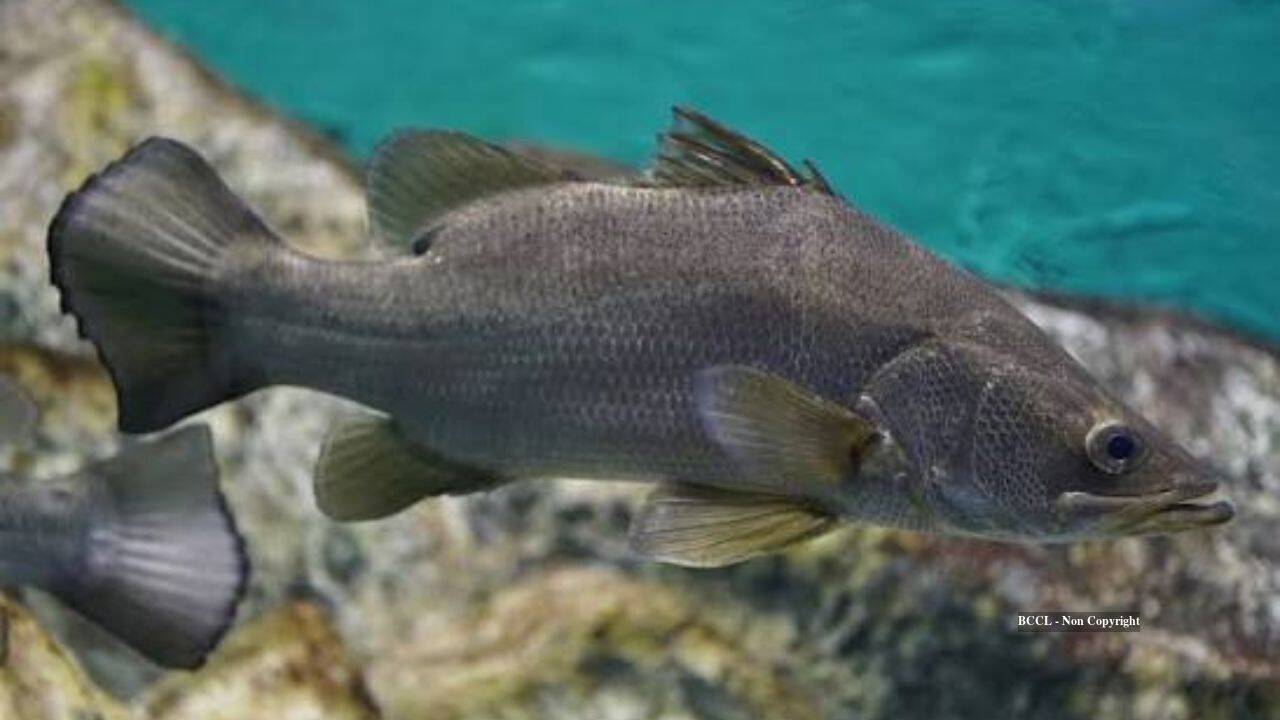
Environmental nostalgia is a dangerous drug. For decades, the accepted narrative surrounding East Africas greatest aquatic ecosystem has read like a Victorian melodrama. Ecologists and conservationists line up to weep over the introduction of Lates niloticus, the Nile perch, into Lake Victoria back in the mid-twentieth century. The standard lament sounds uniform: a predatory titan was dumped into a pristine paradise, it decimated hundreds of endemic cichlid species, and it turned a biological Eden into an industrial fisheries wasteland.
It is a clean story. It is also fundamentally wrong. For a closer look into this area, we suggest: this related article.
I have spent years looking past the romanticized ecological static, and what emerges is not a tragedy of destruction, but a brutal, messy lesson in trophic economics. The lazy consensus insists that Lake Victoria was ruined. The reality is that the lake was fundamentally restructured from a low-yield scientific curiosity into a billion-dollar engine of human sustenance and regional commerce. You cannot eat biodiversity metrics when you are starving.
The Myth of the Untouched Eden
Let us dismantle the fiction first. Before the Nile perch arrived, Lake Victoria was not a balanced paradise humming along in pristine harmony. It was a stagnant pond locked in ecological amber, packed with hundreds of tiny, hyper-specialized haplochromine cichlids that occupied narrow niches but produced very little caloric value for the human populations swelling along the shoreline. For additional details on this development, detailed reporting can be read at TIME.
Conservationists love to count species. Economists count calories and cash. When the Nile perch was introduced—whether through bureaucratic recklessness or calculated fisheries management—it did not simply destroy the ecosystem; it converted low-energy biomass into high-protein muscle mass.
The standard critique screams about the loss of hundreds of cichlid species. Yes, a massive cichlid extinction wave occurred in the offshore deep waters during the perch explosion of the 1980s. That is an undeniable ecological cost. But let us look at what happened next, because ecosystems do not stay frozen in grief. Nature adapted, the perch population stabilized after an initial boom-and-bust predator-prey cycle, and the surviving cichlid species adapted, finding new niches in the altered food web. Today, cichlids are returning in unexpected numbers, coexisting with the apex predator in a resilient, reorganized system.
The Economic Engine Nobody Wants to Praise
Walk down the shores of Kisumu, Mwanza, or Jinja, and you will not find an ecological graveyard. You will find a bustling, export-driven powerhouse.
The Nile perch fishery transformed a subsistence-level local economy into an international export juggernaut supplying European and Asian markets with white-fillet fish. This generated employment for hundreds of thousands of people—fishermen, processors, transporters, and traders. Whole towns were built on the bones of this fishery. Millions of Africans gained access to a steady, affordable protein source from the Haplochromine byproducts and undersized perch sold locally, often referred to locally as mgongo wazi.
When western environmentalists demand a return to the pre-perch lake, they are advocating for ecological romanticism at the direct expense of human livelihood. They are prioritizing the aesthetic purity of an academic paper over the economic survival of riparian communities. That is not conservation. That is neo-colonial paternalism.
The Real Crisis Is Not the Fish
If you want to panic about Lake Victoria, stop blaming a predatory fish that has been swimming in its waters for half a century. Look instead at the things humans are actually doing to the water.
Eutrophication is choking the lake. Agricultural runoff, untreated municipal sewage from rapidly expanding lakeside cities, and industrial waste are pouring massive nitrogen and phosphorus loads into the basin. This causes recurring algal blooms, oxygen depletion, and massive fish kills. Water hyacinth mats choke bays and disrupt transport, fueled entirely by agricultural and urban runoff.
Overfishing remains a persistent threat, but not because of the Nile perch itself. The danger comes from illegal, unregulated, and unreported fishing practices—mosquito-net seines that scoop up juvenile fish before they can breed, driven by local poverty and governance failures, not by the biological nature of the perch.
The Nile perch is an easy scapegoat. It wears the villain cape so humans do not have to look in the mirror and acknowledge that our own waste management, population pressures, and governance vacuums are the true threats to the basin.
The Uncomfortable Truth About Ecosystem Management
We cling to the fantasy that we can freeze nature in a pristine snapshot. We cant. Ecosystems are dynamic, chaotic, and relentlessly opportunistic. When humans alter an environment, nature does not roll over and die; it rewrites the rules.
The Nile perch introduction was an aggressive, high-stakes ecological gamble. By traditional conservation metrics, it was a catastrophe. By human metrics of nutrition, economic development, and systemic adaptation, it was an undeniable success.
Stop mourning a lost aquarium. Lake Victoria is not a museum exhibit. It is a living, breathing, hyper-productive water body that feeds nations, and the sooner we accept its modern reality, the better we can manage the actual threats destroying it from the shore out.