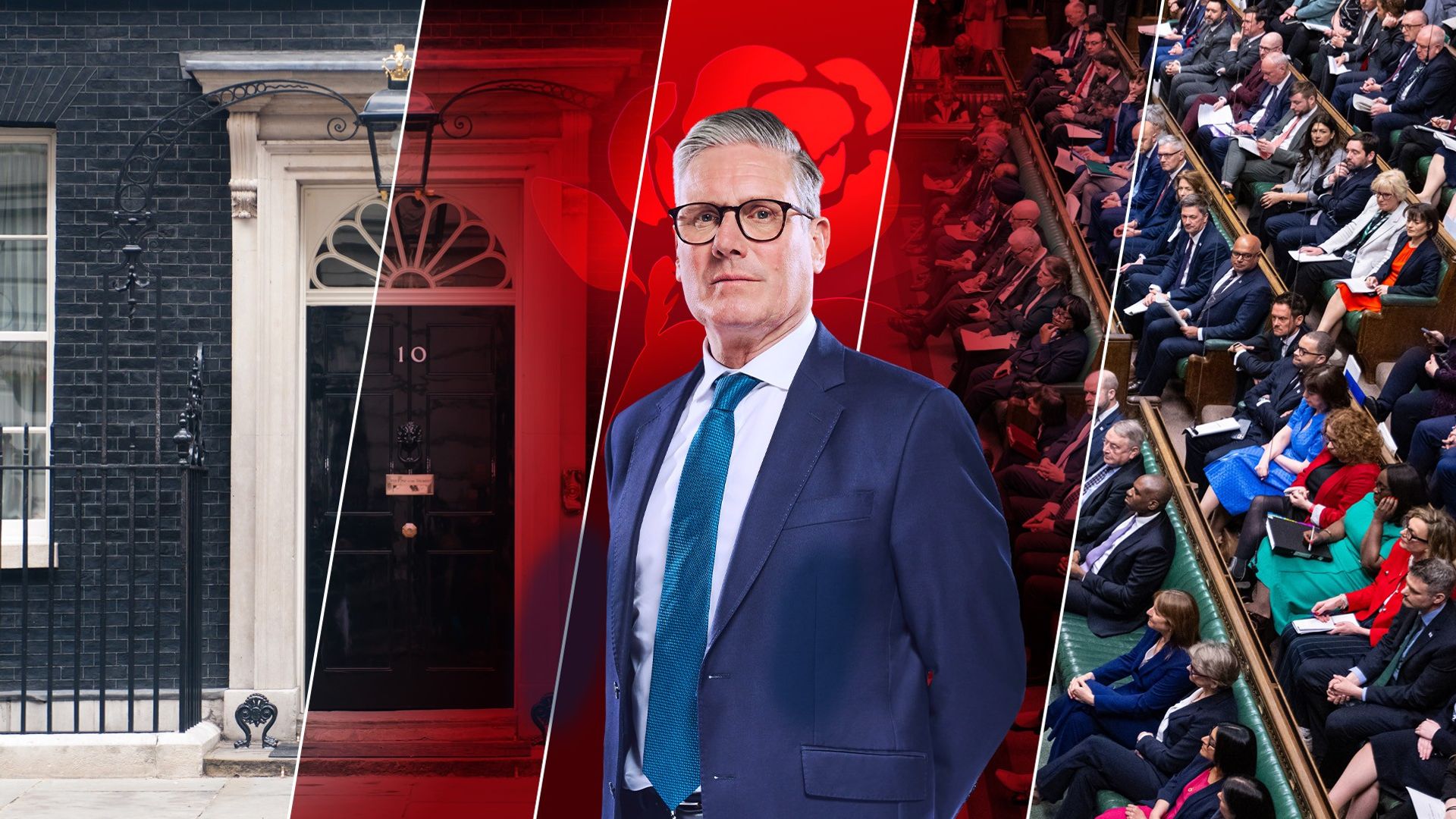
The internal collapse of the Labour Party is no longer a matter of whispered corridors or anonymous briefings. Following a local election cycle that saw the party’s heartlands shredded by Reform UK and its urban strongholds seized by the Greens, the movement to remove Keir Starmer has reached a critical mass. As of May 11, 2026, 42 Labour MPs have publicly demanded the Prime Minister’s resignation or a definitive timetable for his departure.
This is not a fringe rebellion. It is a fundamental fracturing of the coalition that delivered Labour’s 2024 landslide, and the names on the "resignation tracker" now include prominent select committee chairs, former ministers, and fresh-faced backbenchers who fear for their seats.
The Names Leading the Charge
The mutiny began in the early hours of Friday morning as results from Hartlepool confirmed a total wipeout of Labour council seats. Jonathan Brash, the MP for Hartlepool, was the first to break cover, stating that the Prime Minister should "address the nation and set out a timetable for his departure." He was quickly followed by a wave of MPs from across the party’s ideological spectrum.
The list of those calling for a transition includes:
- Debbie Abrahams (Oldham East and Saddleworth): The Work and Pensions Select Committee Chair has given Starmer until the end of the year to show radical change or quit.
- Louise Haigh (Sheffield Heeley): The former Cabinet minister warned that the government requires "significant and urgent change" and cannot be led into another election by the current pilot.
- David Baines (St Helens North): Argued that Starmer’s popularity has "plummeted" to the point where he is a liability on the doorstep.
- Ian Lavery (Blyth and Ashington): A veteran of the party’s left, Lavery went further, suggesting that if Starmer remains, he could "end the party forever."
- Paula Barker (Liverpool Wavertree): Called for an "orderly transition through an open and transparent contest."
- Anna Dixon (Shipley): Stated the public has "no confidence" in the Prime Minister's ability to win future contests.
Others, such as Clive Betts, Olivia Blake, Apsana Begum, and Barry Gardiner, have added their voices to the chorus, citing a disconnect between Downing Street and the communities Labour was founded to serve.
Why the Center is Holding—For Now
While 42 MPs represent a significant revolt, they do not yet constitute a majority of the Parliamentary Labour Party (PLP). The "Starmerite" core is currently banking on the fear of Tory-style chaos. Deputy Prime Minister David Lammy and Education Secretary Bridget Phillipson have led the counter-offensive, using the well-worn "don't change the pilot during a flight" metaphor.
However, the loyalty of the Cabinet is paper-thin. Health Secretary Wes Streeting and former Deputy PM Angela Rayner have offered notably tepid support. Rayner’s social media posts pointedly stated that the current strategy "isn't working," a phrasing that stops just short of a formal challenge while signaling to the membership that she is ready to lead a different path.
The vacuum of leadership is being filled by a name not even in the House of Commons: Andy Burnham. The Manchester Mayor’s supporters are openly discussing his return to Westminster via a by-election, viewing him as the only figure capable of bridging the gap between the disgruntled northern working class and the progressive urban youth.
The Strategic Failure of the "Big Tent"
The current crisis stems from a strategic miscalculation. Starmer’s inner circle believed that by moving the party to the center and marginalizing the left, they could create a permanent governing majority. Instead, they created a flank on both sides.
In the 2026 locals, the "Red Wall" did not return to the Conservatives; it defected to Reform UK. Simultaneously, the youth vote and urban professionals shifted toward the Greens, who took control of council seats in Sheffield and decimated Labour majorities in London boroughs like Hackney.
The Prime Minister is now trapped. If he tacks left to win back the Greens, he loses the centrist ground. If he moves right to compete with Reform, he alienates his activist base. This paralysis is exactly what has driven the 42 MPs to conclude that the leader is the problem, not the policy.
The Mandelson Shadow
Adding fuel to the fire is the lingering resentment over the "Mandelson saga." Several MPs, including Chris Hinchliff and Peter Lamb, have explicitly linked their lack of confidence to the influence of Peter Mandelson within Number 10. For many in the PLP, the return of 1990s-era spin and "Machiavellian" maneuvering is an archaic response to 2026’s populist challenges.
The Prime Minister’s attempt to bring in "grandees" like Gordon Brown and Harriet Harman to stabilize the ship has been viewed by rebels not as a sign of strength, but as a desperate reach for a past that no longer exists.
The Monday Reset and the Catherine West Ultimatum
The pressure reached a boiling point this morning. Former junior minister Catherine West issued a blunt ultimatum: if a Cabinet minister does not launch a formal challenge by the end of today, she and a group of backbenchers will move to trigger a confidence vote themselves.
Starmer’s planned "reset" involves a reshuffle and a promised "decade of renewal," but these are words that have lost their currency. The electorate has signaled a profound fatigue with the Starmer brand of technocratic management.
When a party loses 1,400 council seats in a single night, the conversation shifts from "how do we fix the message" to "how do we replace the messenger." The Prime Minister may insist there is no vacancy, but the 42 MPs on the record—and the dozens more waiting in the tall grass—suggest otherwise.
The math of survival in Downing Street is brutal. If the number of public rebels hits 50, the momentum becomes an avalanche. Starmer is currently eight names away from a total collapse of authority.