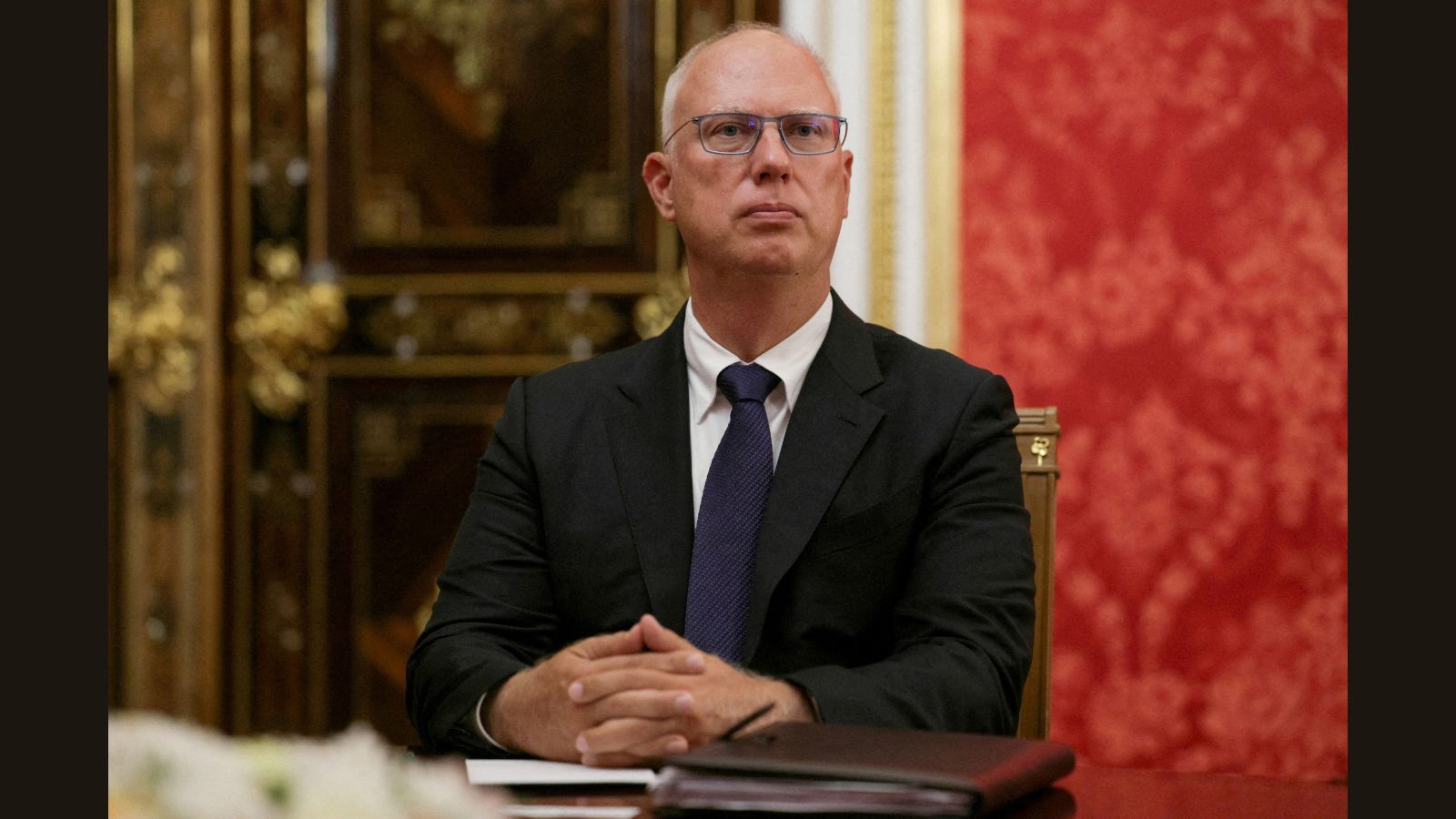
Behind closed doors, quiet channels of diplomacy are moving faster than public headlines suggest. When Russian presidential envoy Kirill Dmitriev travels for high-level meetings with key figures in the Trump administration—such as Steve Witkoff and Jared Kushner—it signals a very specific kind of backchannel negotiation. This isn't just routine paperwork. It's an active effort to bypass traditional diplomatic friction and tackle core economic, energy, and territorial deadlocks head-on.
If you're trying to figure out why these specific meetings matter, you have to look past the official press releases. Let's break down who is driving these discussions, what is actually on the table, and why it changes the trajectory of global negotiations. For an alternative perspective, see: this related article.
Who is Kirill Dmitriev and Why Does He Matter?
To understand why Dmitriev is the Kremlin's go-to emissary, you need to look at his background. He isn't a traditional, hardline Soviet-era bureaucrat. Educated in the West with experience at financial institutions like Goldman Sachs and McKinsey, Dmitriev heads the Russian Direct Investment Fund.
Because of his corporate background, Washington views him as a pragmatist who speaks the language of international finance. In past backchannel engagements, Dmitriev has been instrumental in discussing economic cooperation, energy market stability, and localized sanctions relief. When the White House wants a direct line to Vladimir Putin that bypasses the usual bureaucratic delays of the State Department or Foreign Ministry, Dmitriev is the person they call. Similar reporting on this trend has been provided by NPR.
The Real Agenda Behind Closed Doors
Publicly, officials frame these discussions around broad concepts of peace and stability. Privately, the conversation centers on high-stakes compromises.
- Energy and Sanctions Relief: Energy markets remain a massive point of leverage. Past discussions involving Dmitriev have touched on everything from specific oil market stability measures to navigating seaborne oil restrictions.
- The Ukraine Framework: Finding a viable framework to end the ongoing conflict requires addressing security architectures across Eastern Europe. The Trump administration has repeatedly pushed for accelerated talks, while Moscow continues to press for broader agreements regarding NATO's future footprint.
- Humanitarian Channels: Prisoner exchanges and localized humanitarian releases often serve as the testing ground for larger diplomatic breakthroughs. Agreeing on smaller concessions first builds just enough trust to tackle harder territorial questions later.
Why Washington is Relying on Envoys
Relying on specialized envoys rather than traditional ambassadors allows the White House to maintain plausible deniability while testing radical policy shifts. Figures like Steve Witkoff and Jared Kushner operate outside standard diplomatic channels, giving them the flexibility to float unconventional ideas without committing the full weight of the US government upfront.
Critics often argue that bypassing institutional norms weakens traditional alliances, particularly with European partners who feel left out of the initial drafting phases. Yet, proponents of this approach maintain that traditional diplomacy has stalled out. Breaking a multi-year stalemate requires direct, unvarnished communication between individuals who actually have the ear of their respective presidents.
Keep a close eye on the outcomes of these envoy meetings. They provide the clearest preview of whether a genuine diplomatic framework is taking shape or if these talks are just another temporary pause in a long-standing standoff.


