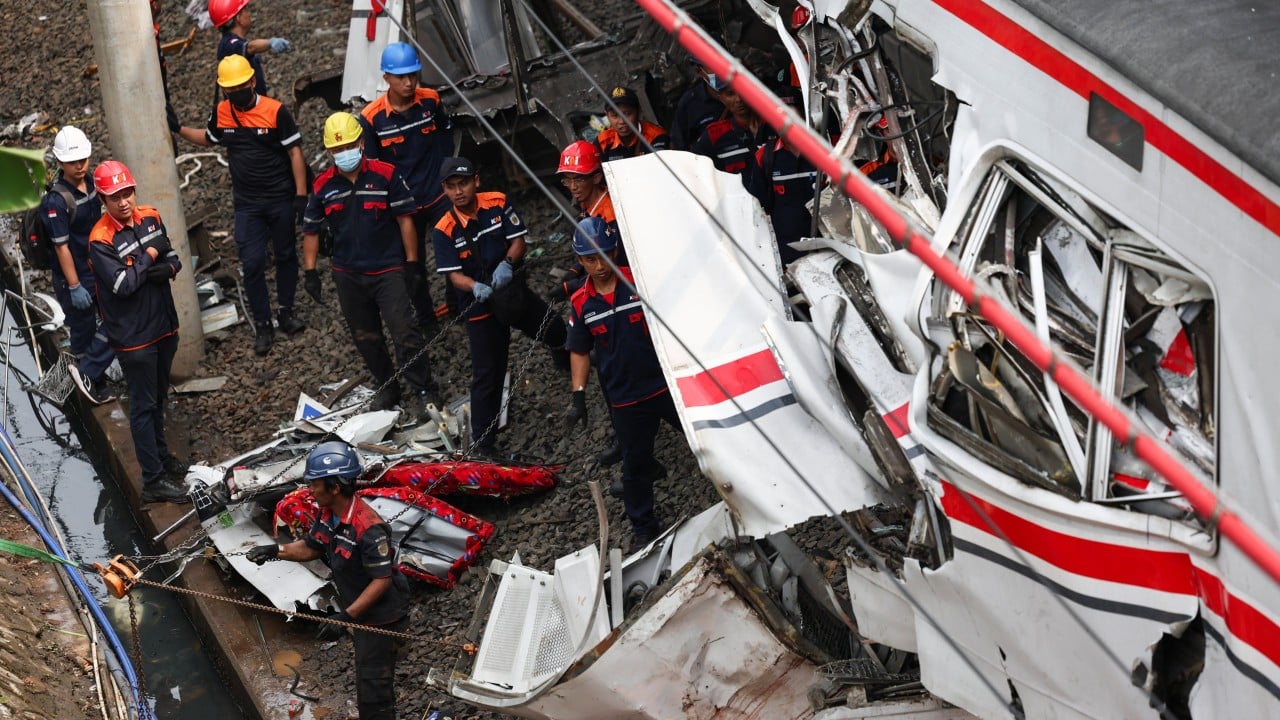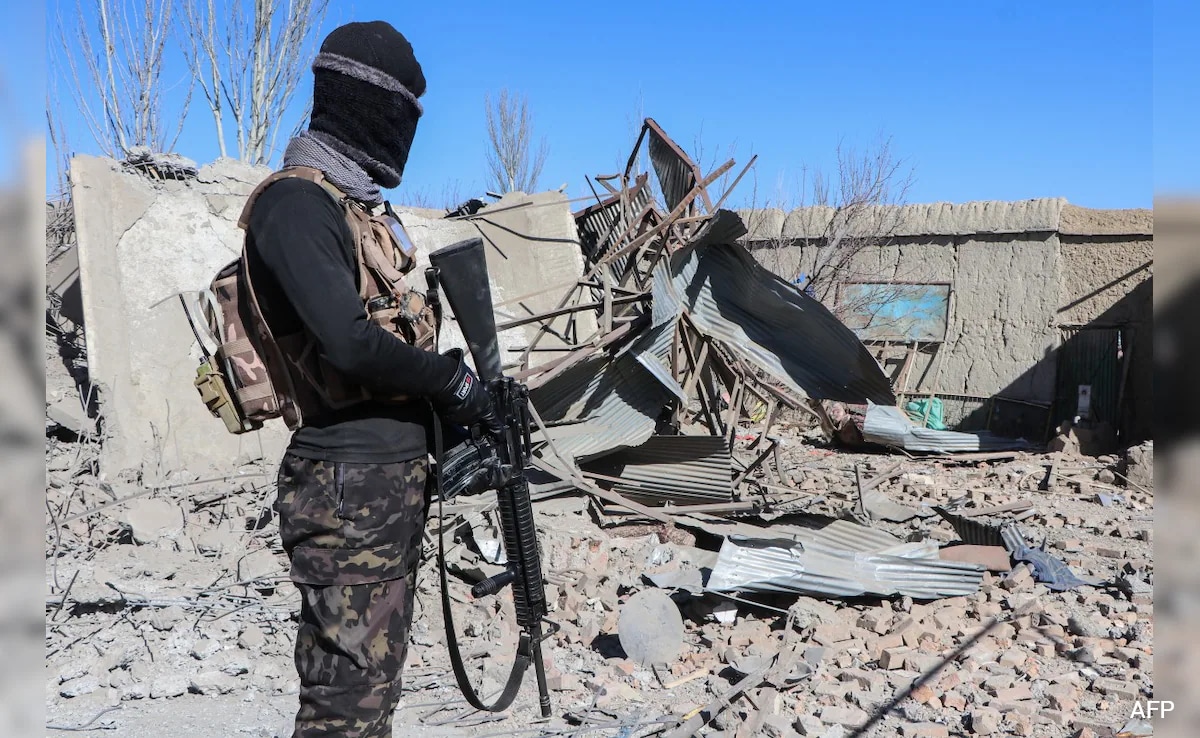
The recent kinetic exchange between Pakistan and Afghanistan, specifically targeting educational infrastructure, signifies a transition from covert proxy management to overt state-level aggression. When a state actor utilizes precision or semi-precision strikes against a civilian institution—resulting in 7 fatalities and 85 injuries—it isn't merely a tactical failure; it is a calculated recalibration of the regional risk-reward ratio. This incident at an Afghan university serves as a case study in the breakdown of bilateral deterrence and the emergence of "punitive signaling" as a primary tool of foreign policy.
The Mechanism of Escalation: Why Soft Targets are Instrumented
In asymmetric warfare, the selection of an educational institution as a strike zone is rarely accidental. It serves three distinct strategic functions: Also making news lately: The Surgical Ghost of Khartoum and the Total Collapse of Global Medical Neutrality.
- Sovereignty Erosion: By striking deep within Afghan territory, Pakistan signals that the Taliban-led administration lacks the defensive architecture to protect its most sensitive civilian assets.
- Internal Pressure Generation: These strikes are designed to create a domestic crisis for the target government. The Afghan population, already grappling with economic instability, must now calculate the physical risk of basic social participation.
- Deterrence by Denial of Normalcy: The strike aims to prove that until Pakistan’s security concerns regarding cross-border militancy are met, "normal" state functions—like higher education—cannot be guaranteed.
Quantifying the Impact: The Casualty-to-Political-Leverage Ratio
The data points of 7 dead and 85 wounded represent more than human tragedy; they are indicators of the "lethality threshold" chosen by the aggressor. A lower fatality count paired with a high injury count suggests a strike intended to maximize psychological trauma and medical system strain rather than total demographic erasure. This "High-Injury, Low-Lethality" profile often indicates a warning shot.
The injury distribution (85 individuals) places an immediate, localized burden on the Afghan healthcare infrastructure, which is currently operating under severe resource constraints. This creates a secondary layer of social friction as the state fails to provide adequate post-traumatic care, further weakening the Taliban’s internal legitimacy. Additional insights into this topic are explored by NPR.
The Geopolitical Friction Points
The relationship between Islamabad and Kabul has devolved into a zero-sum game centered on the Tehrik-i-Taliban Pakistan (TTP). Pakistan’s operational logic is built on the premise that the Afghan Taliban provides sanctuary to TTP elements. When diplomatic channels fail to produce a crackdown, Pakistan resorts to "Kinetic Compellence."
The friction is governed by three primary variables:
- The Border Integrity Paradox: Pakistan seeks a fenced, monitored border (the Durand Line), while the Afghan administration views such demarcation as an colonial vestige, refusing to recognize its legitimacy.
- Proxy Drift: Groups once viewed as strategic assets by regional intelligence agencies have achieved tactical autonomy. This drift means the "handlers" no longer possess the leverage to halt cross-border incursions, leading to the "blowback" strikes witnessed at the university.
- The Intelligence Vacuum: Following the US withdrawal, the lack of third-party monitoring has led to an environment of "high noise, low signal." States now act on fragmented intelligence, increasing the probability of striking targets with high collateral damage.
The Structural Failure of Deterrence
Deterrence fails when the cost of inaction exceeds the cost of aggression. For Pakistan, the persistent TTP attacks on its soil reached a tipping point where the political cost of appearing "weak" domestically outweighed the international diplomatic backlash of striking an Afghan university.
This creates a Feedback Loop of Volatility:
- Attack: TTP strikes within Pakistan.
- Attribution: Pakistan blames Afghan sanctuary.
- Retaliation: Kinetic strike on Afghan soil (University strike).
- Radicalization: Civilian casualties in Afghanistan provide a fresh recruitment narrative for anti-Pakistan elements.
- Iteration: The cycle repeats with higher intensity.
Operational Constraints and the "Grey Zone"
The use of air power or long-range artillery against civilian centers moves the conflict out of the "Grey Zone"—where deniability is possible—and into the realm of formal interstate hostility. This shift is dangerous because it limits the "off-ramps" available to both leaderships. Once a state publicly executes a strike of this magnitude, the victim state is compelled to respond to maintain its own domestic credibility.
The Afghan response is restricted by its lack of a conventional air force. This power asymmetry ensures that Afghanistan’s retaliation will likely be non-conventional: increased support for insurgents within Pakistan or the weaponization of refugee flows. This is "Assymmetric Reciprocity"—where the response does not mirror the attack in kind but targets the opponent’s internal social or security vulnerabilities.
Economic and Social Deconstruction
The long-term degradation caused by this strike is not found in the rubble, but in the flight of human capital. Educational institutions are the bedrock of any potential Afghan economic recovery.
- Human Capital Flight: Faculty and students who survive such attacks are the most likely to seek exit from the country, draining the nation of its intellectual class.
- Investment Chill: No external entity or NGO will invest in infrastructure that is subject to state-level kinetic strikes.
- Institutional Paranoia: Universities, which should be spaces of open inquiry, become securitized zones. The presence of armed guards and checkpoints further erodes the educational environment.
The Failure of Regional Arbitrators
The absence of a functional regional security architecture (such as a weakened SAARC or a distracted SCO) means there is no "honest broker" to de-escalate these tensions. China and Russia have vested interests in regional stability but have shown a reluctance to intervene directly in the Pakistan-Afghanistan bilateral dispute. This leaves the two nations in a "Prisoner’s Dilemma" where mutual defection (conflict) is the current path, despite the mutual benefit of cooperation.
The 7 deaths at the university are a localized manifestation of a regional systemic collapse. As Pakistan attempts to "export" its security problems via kinetic strikes, it simultaneously "imports" long-term instability. The 85 injured represent a new generation of Afghans whose primary interaction with their neighbor is defined by trauma.
The strategic imperative now shifts toward a "Hard-Border Realism." If diplomatic recognition of the Durand Line remains a non-starter, the only remaining stabilizing mechanism is a formalized, third-party monitored deconfliction zone. Without this, the university strike will not be an isolated tragedy but the opening move in a protracted, mid-intensity border war that neither state can afford to win. The immediate requirement is the decoupling of "counter-terrorism" objectives from "civilian infrastructure" targets; failure to do so guarantees that the next escalatory step will involve urban centers, further narrowing the window for any negotiated settlement.