Two high-profile exits in October 2026 exposed a harsh truth about political proximity. Loyalty to Donald Trump doesn't guarantee survival when public scrutiny turns into a liability.
Within days of each other, U.S. Ambassador to Greece Kimberly Guilfoyle resigned at the president's request and White House Press Secretary Katie Zacharia was pushed out after a five-day run. Both women had deep ties to Trump's political ecosystem, and both stumbled in ways that drew bipartisan heat and wall-to-wall media coverage. Honestly, watching two prominent surrogates flame out in the same week felt like a stress test of loyalty politics in real time.
When people search for stories about Kimberly Guilfoyle and Katie Zacharia, they usually want more than a quick list of gaffes. They want to know what actually went wrong, why those missteps snowballed so fast, and what happens to allies once a scandal hits the front page.
Why Kimberly Guilfoyle and Katie Zacharia Became Flashpoints
Proximity in Washington can open doors fast, yet it also shrinks your margin for error. Both Guilfoyle and Zacharia stepped into roles where public trust, ethics rules, or live camera poise mattered immediately.
Guilfoyle came to Athens with years of TV experience and long-standing family and political ties to Trump. Zacharia stepped up to the James S. Brady Press Briefing Room in October 2026 after working in communications around Trump's orbit. Different jobs, different stakes, same unforgiving spotlight.
Look closely at what happened to each of them, and you'll spot a clear pattern. When allegations of improper conduct or questions about basic credentials surface, even fierce defenders start backing away.
Kimberly Guilfoyle and the Cost of Ethics Scrutiny
Diplomatic posts carry strict rules around gifts, travel, and official influence. When reports emerged in October 2026 alleging misconduct before and during Guilfoyle's time in Greece—including scrutiny over private travel, favors, and donor dealings—the story quickly outgrew routine spin.
Reports cited audio recordings and inquiries touching on her conduct and connections with private figures and donors, alongside congressional scrutiny from Democrats such as Rep. Gregory Meeks and Rep. Robert Garcia and review by the State Department Office of the Inspector General. Guilfoyle denied wrongdoing, and a lawyer disputed the authenticity of reported messages. Still, the optics were rough.
Even Secretary of State Marco Rubio, who had just visited Greece, pushed back sharply on reporters' sourcing at first while facing mounting pressure over the swirling claims. Trump himself distanced himself in public remarks before asking for her resignation on October 13, 2026. That distance tells you everything. Once a diplomat's ethics become the headline rather than bilateral policy, keeping them in post gets expensive fast.
Katie Zacharia and a Five-Day Press Room Collapse
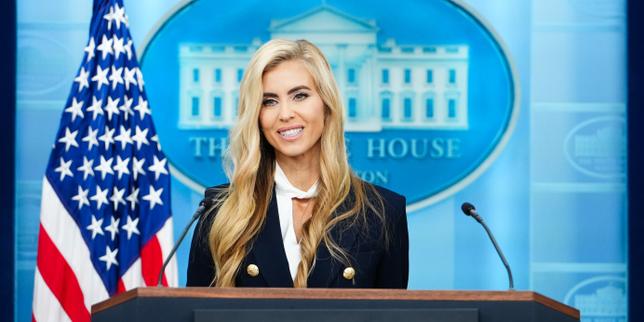
If Guilfoyle's trouble centered on ethics and influence, Zacharia's unraveling happened right in front of the cameras. Appointed White House press secretary on October 12, 2026, she lasted just five days—making her tenure the shortest in U.S. history for the role.
Her lone briefing on October 13 lasted roughly 14 to 15 minutes, took only a handful of questions, and drew harsh reviews across the political spectrum and from commentators including Kaitlan Collins and Jimmy Kimmel. Critics pointed to stiff delivery, awkward pauses, and a flubbed slip of the tongue when talking about family and work.
Things got worse outside the briefing room. Questions flared over how she was described as an attorney despite not having passed the bar exam, prompting a complaint to the State Bar of California. By October 16, Trump said the media treatment had been brutal and told her she ought to reconsider staying on, ending her brief stint at the podium.
What Most Commentators Miss About Loyalty Politics
A lot of coverage treats these exits as pure soap opera. That's lazy analysis.
First, loyalty in high-stakes politics works differently than personal friendship. A leader can value someone's devotion and still cut them loose when they become a drag before midterm elections or policy pushes. Trump's remarks around both departures showed that mix: warm words or sympathy paired with a willingness to pull the plug.
Second, credential inflation and ethical shortcuts have a much shorter half-life today. In an era of instant clip-sharing, leak culture, and public records requests, a single discrepancy—like a title or a travel perk—can eclipse an entire policy message.
Third, being a loyal supporter on TV or social media is a totally different skill set from running an embassy or briefing a hostile press corps. Enthusiastic messaging rallies the base. Steady judgment, compliance, and live-mic poise keep an administration out of trouble.
Key Lessons When Stepping Into High-Stakes Roles
You don't have to work in the West Wing to learn from these missteps. Anyone stepping into public-facing leadership, communications, or advocacy faces similar traps.
- Audit your resume and titles before day one. Never let loose phrasing blur credentials like legal status, licenses, or prior roles—fact-checkers will pull records within hours.
- Treat ethics rules as non-negotiable guardrails. Gifts, private rides, and side deals look manageable in private and indefensible in an inspector general inquiry or congressional letter.
- Practice live Q&A under pressure. Giving a polished monologue is easy; handling sharp follow-ups, awkward personal questions, and hostile framing takes real rehearsal.
- Don't rely on political protection as a shield. Allies help you get in the room, yet your own preparation and conduct keep you there.
Even after leaving office, Zacharia kept fighting in public—penning an op-ed for the New York Post and sparring during a November 2026 BBC Newsnight appearance over midterms and an Alaska ballot dispute. Her post-exit push shows how fast a brief government stint can turn into a permanent media identity, for better or worse.
If you're preparing for a high-visibility role or advising someone who is, start with a blunt pre-launch audit. Review every public bio, social post, financial or travel arrangement, and talking point before taking the stage, and run at least two timed mock Q&A sessions with tough questions you'd rather duck.