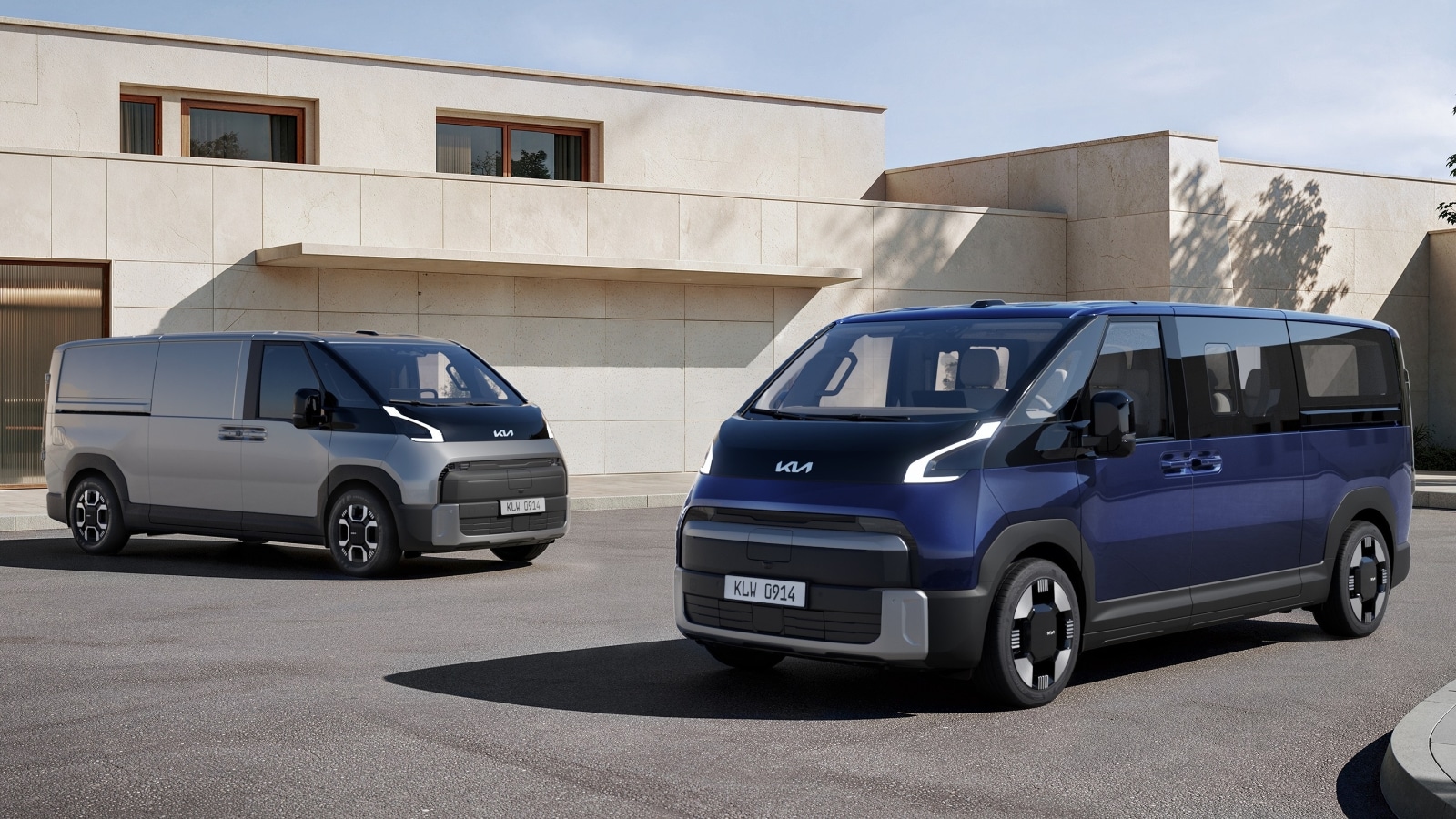
Commercial electric vehicle rollouts have long suffered from a singular, stubborn delusion: that building a better battery solves an inherently broken ecosystem. When Kia pulled the wraps off the PV7 van, industry commentators rushed to broadcast the predictable spec-sheet highlights. It seats up to eleven, stretches past 17 feet, targets a WLTP range exceeding 460 kilometers (286 miles), and utilizes an 800-volt electrical architecture to replenish from 10% to 80% capacity in roughly 25 minutes using a 350-kW fast charger.
On paper, these figures present an irresistible antidote to the operational anxiety plaguing last-mile logistics and passenger shuttle operators. Yet viewing the PV7 solely through the lens of its preliminary data sheet misses the entire reality of commercial transit. Fleets do not run on press releases. They run on margins, downtime penalties, grid reliability, and the brutal mathematics of daily payload weight. Meanwhile, you can find similar developments here: How A Teenager Built A Curry Leaf Treatment For Citrus Greening.
The core premise of Kia's Platform Beyond Vehicle (PBV) strategy relies on the E-GMP.S commercial architecture, a dedicated layout that drops the floor flat and maximizes interior volume up to 8.0 cubic meters in the high-roof cargo configuration. By offering multiple configurations—ranging from the Cargo Long to the multi-row Passenger variants with rail-mounted removable seats—Kia attempts to target both couriers and corporate shuttle services simultaneously.
However, versatility introduces its own operational friction. Consider the battery chemistry choices: a 71.5 kWh pack or a larger 96.2 kWh unit. While the 96.2 kWh NCM battery is necessary to flirt with that 460-kilometer target, heavy commercial use cases involving maximum payloads—up to 1,200 kilograms in specific trims—will inevitably compress real-world efficiency. Operating a fully loaded cargo van through dense urban corridors with frequent stop-start cycles degrades range far quicker than a standardized WLTP laboratory test cycle suggests. Fleets scaling down their carbon footprint will quickly discover that physics remains unyielding. To understand the complete picture, check out the excellent report by Wired.
The deeper vulnerability lies in the charging infrastructure required to feed an 800-volt system at peak performance. Kia notes that the PV7 can pull energy at up to 350 kW, hitting that 10% to 80% threshold in about 25 minutes. This speed is impressive, but it depends entirely on the widespread availability of ultra-fast DC chargers capable of sustaining high voltage outputs without throttling.
For a hypothetical delivery fleet operating out of a central depot in a mid-sized European or Asian metropolitan area, installing a row of 350-kW chargers demands a massive capital expenditure on local grid upgrades. Many municipal electrical grids cannot support multiple commercial vans drawing maximum power simultaneously without triggering costly demand charges or local brownouts. If a driver pulls up to a public corridor and finds the stalls occupied or derated due to thermal throttling, that 25-minute turnaround time balloons into an hour-long bottleneck. In commercial logistics, an extra thirty minutes of stationary time per route destroys the economic rationale for electrification.
Furthermore, the physical realities of multi-stop delivery routes complicate the hardware layout. Kia includes dual charging ports—a front AC/DC port alongside an optional rear side AC port—along with Vehicle-to-Load (V2L) capabilities to power external equipment on site. While V2L is a welcome addition for contractors running power tools or mobile workshops, it also introduces additional points of electrical wear and tear in harsh weather conditions.
Maintenance costs and vehicle turnaround dictate commercial fleet survival. Recognizing this, Kia has integrated replaceable bumper corners and protective body cladding, alongside a software suite dubbed Pleos Fleet designed to track vehicle status, location, and driver behavior. Minimizing body shop intervention for minor urban bumps is a smart design choice. Yet the true test of the PV7's authoritativeness as a commercial asset will not be found in its modular interior or its infotainment interface running dual 12.9-inch and 14.6-inch displays. It will be found in parts availability, thermal degradation rates of the NCM battery pack after three years of rapid charging, and residual values on the secondary market.
Logistics operators looking at the PV7 must look past the headline numbers. An 800-volt van with a 286-mile target is a milestone for vehicle packaging, but without concurrent investments in depot energy management and stable public charging grids, the hardware is simply waiting for an infrastructure that is still catching up.