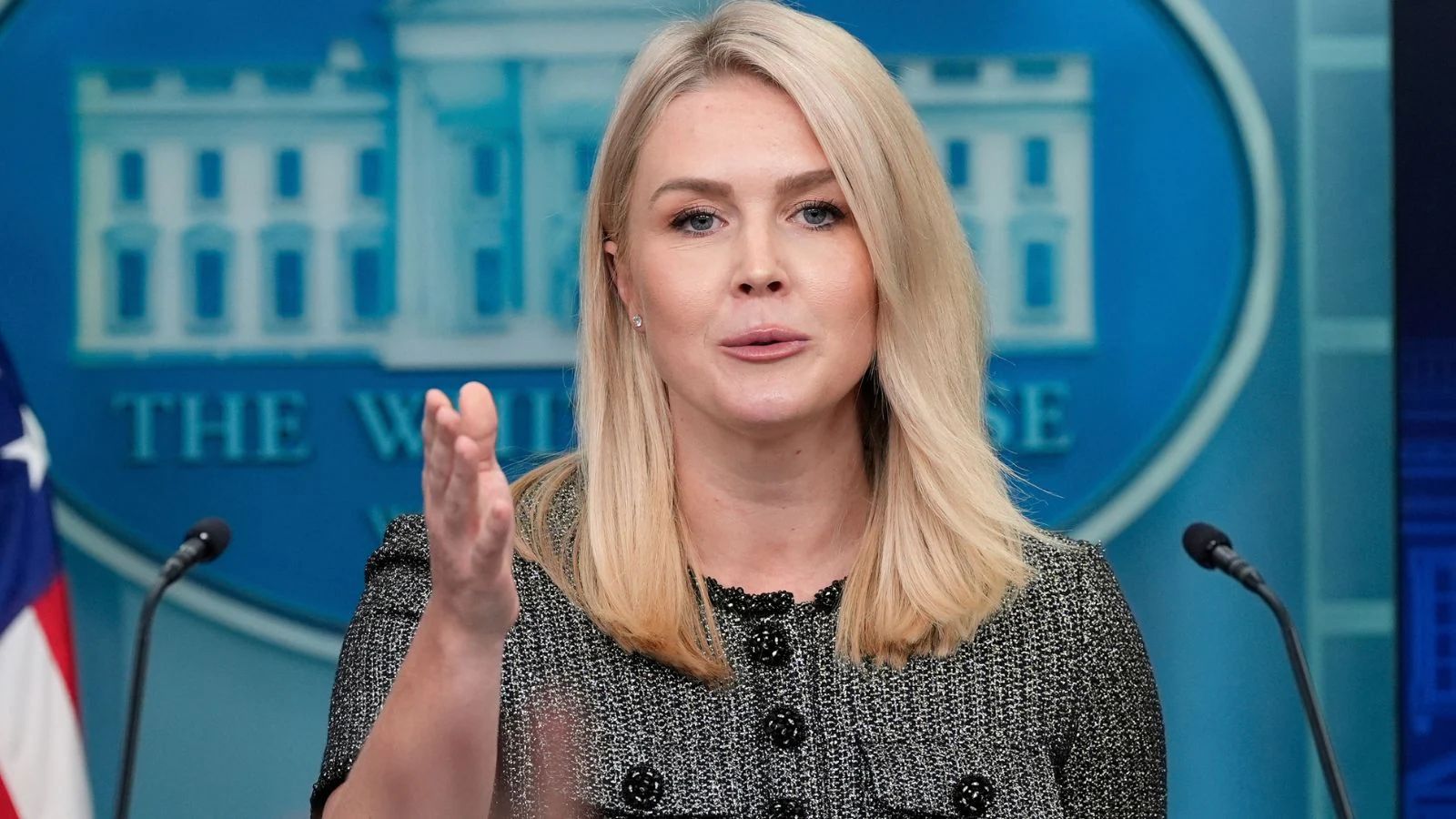
Karoline Leavitt is stepping down as White House press secretary at the end of August, closing out a high-profile stint that redefined how a modern presidential administration handles the media. President Donald Trump announced the departure on Truth Social, noting that Leavitt plans to spend more time with her young family after welcoming her second child, a daughter named Viviana, earlier this year.
At just twenty-eight years old, Leavitt leaves behind a distinct footprint as the youngest person ever to occupy the briefing room podium. She isn't disappearing from politics entirely, though. Trump confirmed she will transition into a role as a top outside advisor to help guide the Republican party through the upcoming midterm elections.
The Reality Behind the Exit
If you watched the daily briefings over the past twenty months, you saw a spokesperson who matched Donald Trump's combative style stroke for stroke. Leavitt didn't just field questions from reporters; she actively challenged the premise of mainstream media coverage, sparred directly with journalists, and defended the administration's policy positions without backing down an inch.
Yet the day-to-day grind of the West Wing takes a heavy toll. In her own statement following the announcement, Leavitt admitted that returning to work after maternity leave made it clear she couldn't balance the grueling physical and mental demands of the job with the presence her two young children deserved. It is a raw, human calculation that catches up with political operatives, even those at the absolute peak of power.
Her tenure will be remembered for more than just fiery exchanges on television. Under her watch, the administration attempted to shake up the traditional press pool structure, pushing back against the White House Correspondents' Association and carving out digital space for alternative commentators, podcasters, and independent media creators. Whether you view that strategy as a democratization of news access or an assault on institutional norms, it permanently altered how information flows out of the executive branch.
What Happens Next at the Podium
Finding a replacement won't be simple. Trump's press secretary role requires a rare combination of television presence, absolute loyalty, thick skin, and an uncanny ability to speak the president's language fluently.
As August wraps up and Leavitt trades the West Wing for an external advisory position, the administration faces a crucial vacuum right as the midterm election cycle heats up. The incoming spokesperson will inherit a briefing room that has grown accustomed to high-stakes combat, aggressive media filtering, and a complete rewrite of traditional White House communication rules. Watch who steps up to the microphone next, because that choice will dictate the tone of the administration's messaging for the rest of the term.