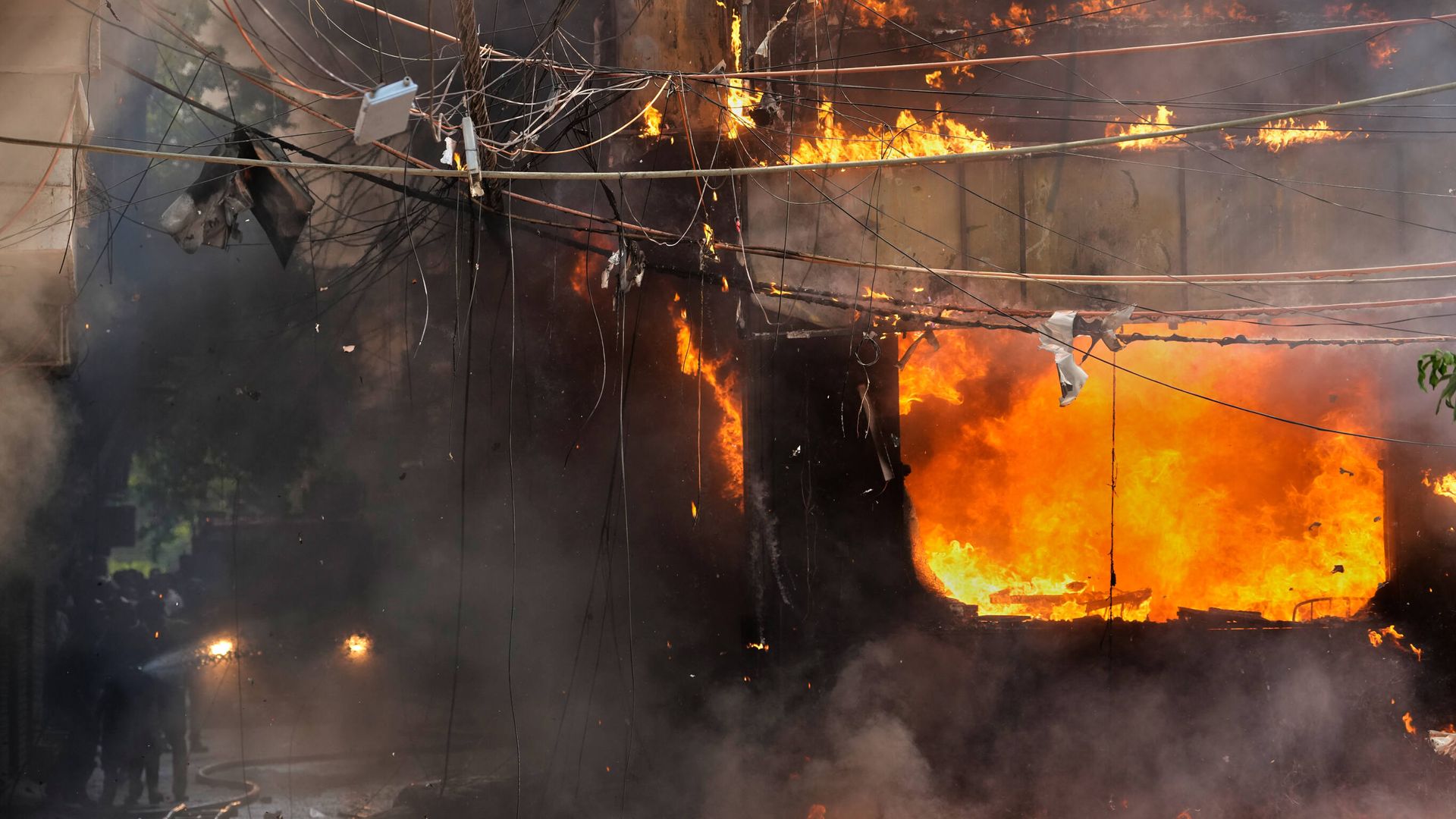
The headlines covering the Hotel Arpit Palace tragedy in New Delhi followed a predictable, lazy script. Outrage over corrupt local bureaucrats. Condemnations of a greedy hotelier who built an illegal rooftop kitchen and locked the emergency exit. A tragic tally of dead tourists who suffocated in narrow corridors lined with highly flammable gloss-varnished wood.
The media wants you to believe this was an isolated case of a "death trap" operated by rogue actors. They are wrong.
The mainstream press completely missed the structural reality. The Arpit Palace wasn't an anomaly; it was operating with a valid, official Fire No Objection Certificate (NoC) renewed just months prior. It passed inspection. If a building can meet every bureaucratic safety standard on paper while actively maintaining a locked emergency escape route and a non-functional fire alarm system, then the system itself is the hazard.
Stop looking at the tragedy as a failure of compliance. It was a failure of reliance on compliance.
The Paper Compliance Illusion
I have watched commercial real estate operators across developing markets spend millions chasing government rubber stamps while doing absolutely nothing to actually protect human life. They satisfy checkboxes.
A standard municipal inspection looks at a snapshot in time. In the case of the Karol Bagh cluster, regulations state properties can only rise four stories. To bypass this, the operators built an 18-meter structure, fudged the blueprints to read 14.98 meters, and submitted an affidavit claiming the top floor was sealed off with a brick wall. The inspectors accepted the paper, stamped the form, and moved on.
This isn't just an Indian bureaucratic quirk. It is a global corporate reality. The moment safety becomes an exercise in filling out forms, the actual mechanics of survival are abandoned.
Let us break down the exact mechanics of why the Arpit Palace became an inescapable furnace despite its legal status:
- Veneer Over Velocity: The corridors were retrofitted with cheap, high-gloss wood paneling to make a budget property look premium. When the air conditioner short-circuited at 3:30 AM, this cosmetic choice acted as a literal fuse, carrying the fire horizontally across floors within minutes.
- The Sealed Escape: The singular emergency staircase wasn't just blocked; it was intentionally locked with a roller shutter to prevent guests from slipping out without paying or allowing unauthorized entry from the street.
- Atmospheric Asphyxiation: Most victims didn't burn. They died in their sleep or within steps of their beds because the narrow, windowless corridors trapped toxic carbon monoxide, turning the hallways into gas chambers long before the flames arrived.
Dismantling The Premise Of "Safe" Brands
Whenever a disaster like this breaks, the immediate consumer reaction is to demand tighter regulations or vow to only stay in western-branded hospitality chains. This reaction is fundamentally flawed.
"If the law mandates a fire extinguisher every twenty meters, an operator will buy the cheapest, unserviced canister available, mount it to a wall, and consider the problem solved."
Tighter regulations do not create safety; they create a more expensive market for bribes and superficial workarounds. When you complicate the regulatory framework, you do not eliminate risk. You simply ensure that only the most corrupt or well-connected entities can afford to stay in business.
Imagine a scenario where a hospitality tech aggregator promises fully verified, safety-vetted properties across a major metropolis. They deploy hundreds of gig-economy inspectors armed with digital checklists. The inspector walks in, notes the presence of a fire extinguisher, checks the box, and leaves. They don't check if the pressure gauge is functional, if the staff knows how to pull the pin, or if the exit at the end of the hall is locked at 4:00 AM to secure inventory. The digital verification becomes a marketing shield, obscuring lethal liabilities under the guise of an operational audit.
Survival Metrics That Matter
If you rely on a certificate hanging in a lobby to determine your safety, you have surrendered your agency to a broken administrative apparatus. True operational risk management requires ignoring the paperwork entirely and looking at the physical constraints of an environment.
When evaluating any commercial property, look for the unalterable structural realities rather than the dynamic, easily falsified human elements.
| The Document Illusion | The Operational Reality |
|---|---|
| Valid Fire NoC / Star Rating | Two distinct, unblocked paths to the ground floor |
| "Modern" Retrofitted Interiors | Heavy use of synthetic carpets and wood laminates in exits |
| Centralized Smoke Alarms | Physical window latches that can be opened without a key |
The Arpit Palace disaster showed that a hotel can have functional firefighting equipment on site that still fails completely because the staff has received zero practical training on how to deploy it under pressure. When the fire broke out, the front desk didn't trigger a manual panic alarm because none existed on the guest floors. They didn't call the fire department until over an hour after the initial spark occurred. They tried to manage an escalating disaster internally to protect their business license, and that silence killed seventeen people.
Stop Asking For Better Laws
The public outcry always demands the same toothless solution: hold municipal officers accountable and rewrite the building bylaws. This completely misses the point.
Delhi has roughly 1,700 firefighters for a population hovering around thirty million. New York City deploys over eight times that number for a fraction of the populace. No amount of legislative pen-strokes will magically scale emergency response infrastructure to bridge that structural deficit.
The actionable takeaway here is grim but necessary: safety cannot be outsourced to a regulatory body. If you are operating a business or traveling in a market with systemic enforcement gaps, you must audit the physical environment yourself. Walk the exit path. Check the window locks. Verify that the exit door actually swings open.
The moment you assume someone else validated the room for you because they hold a piece of paper, you enter a trap designed by bureaucracy and executed by complacency.