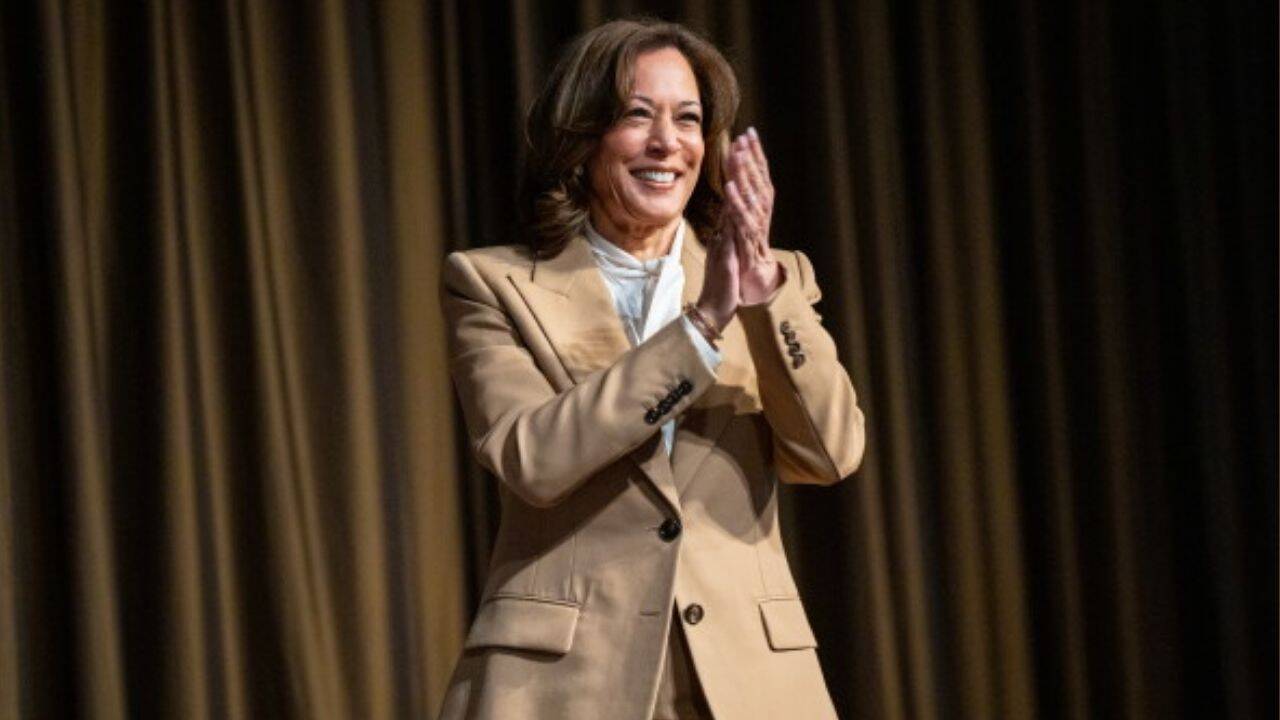
Political gossip moves fast, but the groundwork for the next presidential cycle moves even faster. Former Vice President Kamala Harris is finding out that eyeing another White House bid isn't going to be a smooth ride. Reports from outlets like The Wall Street Journal outline a complicated reality for Harris: even inside her inner circle and among traditional party allies, the appetite for a 2028 campaign comes with severe reservations.
When your own household and major financial backers start pumping the brakes, it forces a hard look at political viability. Let's break down why this pushback is happening and what it means for the future of the Democratic Party.
The Inner Circle Pushback
Politics is brutal on personal lives, and very few people understand that better than political spouses. Reports indicate that Doug Emhoff has privately expressed reservations about his wife launching another grueling presidential campaign. After stepping out of the spotlight as Second Gentleman, the toll of back-to-back national campaigns—culminating in the compressed 107-day sprint of 2024—leaves deep marks.
While family members usually rally around ambitious politicians, private hesitation from a spouse often signals a weariness with the relentless machine of national politics. It is one thing to serve out a term; it is entirely another to sign up for years of nonstop fundraising, intense public scrutiny, and perpetual travel.
Donor Anxiety and the 2028 Field
Money makes political campaigns move, and right now, Democratic donors are sweating. Following the 2024 election loss to Donald Trump, party financiers are doing a cold, rational assessment of the electoral map.
Many donors are questioning whether a brand tied directly to the previous administration can effectively unite a fractured party. They want a winner, and they are increasingly worried that running it back with familiar names might lead to the same result.
Instead of locking arms behind a presumptive nominee, major contributors are keeping their checkbooks closed and their options open. Figures like California Governor Gavin Newsom are already part of the wider conversation, and the crowded field means donors don't feel pressured to commit early to anyone.
Public Posturing Versus Private Realities
Harris isn't sitting still, though. She has maintained a visible schedule, campaigning for down-ballot candidates and engaging with core constituencies. Her public stance remains pragmatic: the immediate focus must stay glued to legislative battles and the midterms rather than daydreaming about 2028.
"I have not decided if I'm going to run again," Harris noted publicly, emphasizing that the fights of the present moment far outweigh future ambitions.
Yet, staff hiring, strategic meetings, and high-profile trips to key battleground states tell a story of an individual keeping her options wide open. You don't maintain that kind of operational infrastructure unless a run is genuinely on the table.
What Comes Next for the Democratic Brand
The party stands at a major ideological crossroads. Rebuilding after a presidential defeat requires brutal honesty about message, economy, and voter trust. If Harris decides to bypass the noise and launch a bid, she will have to actively convince a skeptical donor class that her approach has evolved.
If she steps aside, it opens the floodgates for an open-primary brawl that could revitalize the party or tear it apart before the cycle even begins. Pay close attention to how the midterms shake out. That outcome will dictate whether these private doubts turn into public exits or quiet resolutions.