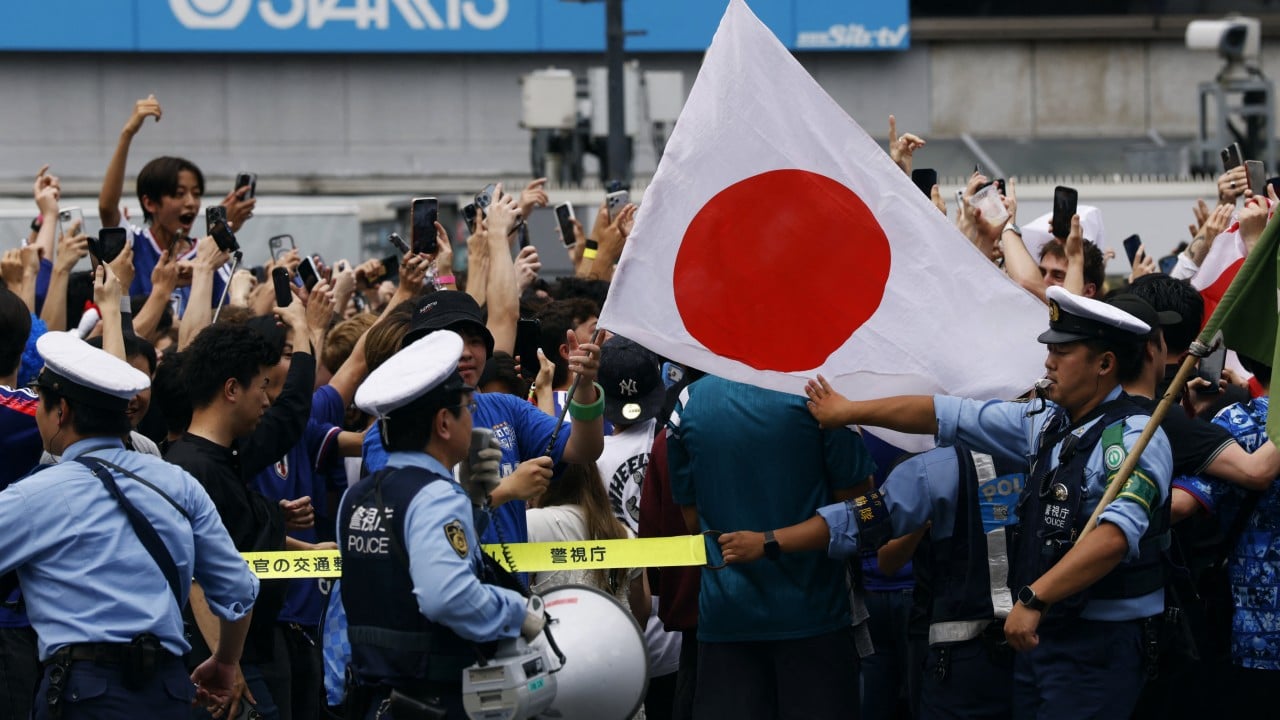
The headlines are praising Tokyo for finally entering the twenty-first century. By 2027, the National Police Agency plans to blanket the country with body-worn cameras. The standard narrative is predictable: transparency, accountability, modern policing, and a tech-driven fix for systemic friction. Everyone is nodding along, celebrating the arrival of high-tech oversight in a notoriously opaque criminal justice system.
They are entirely wrong. In similar updates, we also covered: Why The Rafale Versus J16 Myth Exposes Our Worst Military Obsessions.
Sticking a lens on every beat cop in Tokyo, Osaka, and Kyoto will not reform Japanese policing. It will institutionalize a dangerous illusion of objective truth while handing unprecedented surveillance infrastructure to an agency with a ninety-nine percent conviction rate. Worse, it will alter the psychological contract between the officer and the public in ways that make interactions worse, not better.
I have watched government bodies buy the body-cam silver bullet in dozens of jurisdictions across the globe. The pitch is always the same. Clean footage will solve disputes, check police overreach, and restore trust. The reality is far uglier. Cameras do not create neutrality; they create a state-sanctioned narrative engine. And in a system where prosecutors hold near-absolute power, giving them a high-definition, audio-visual record controlled entirely by the state is a gift, not a check on authority. BBC News has provided coverage on this fascinating subject in great detail.
The Myth of the Objective Lens
The foundational fallacy of the body-worn camera is that it records reality. It does not. It records a specific, distorted cone of vision from the chest height of one participant in a chaotic, high-stress event.
Human memory is flawed, but video is worse because of how our brains process it. When jurors or internal affairs investigators watch body-cam footage, they fall prey to the framing effect. A wide-angle lens distorts distance, making a suspect five feet away look like they are lunging across a room. Audio compression turns a raised voice into a violent shriek. Low-light sensors turn shadows into threats.
In the West, police departments quickly realized that body cameras became powerful tools for exculpating officers rather than punishing misconduct, simply because the footage is interpreted through the lens of institutional self-preservation. Now multiply that dynamic by Japan's unique judicial ecosystem.
When a Japanese prosecutor decides to indict someone, they win. The conviction rate sits stubbornly north of ninety-nine percent. This is not because Japanese cops never make mistakes or because defendants are universally saints. It is because the entire system is built on confession and pretrial detention. Suspects can be held for up to twenty-three days without charges, interrogated without a lawyer present for most of that time.
Into this airtight chamber of state control, we are now introducing continuous audio-visual recording. Do you honestly believe the footage that harms the police case will ever see the light of day? Or will the power to redact, store, archive, and select clips remain exclusively in the hands of the very institution being monitored?
The Panopticon Comes to the Shibuya Crossing
Let us talk about privacy, a concept the Japanese state treats with selective reverence.
When American or European police agencies roll out body cams, civil liberties groups fight fierce legal battles over retention policies, facial recognition integration, and public disclosure laws. In Japan, the public compliance reflex runs deep. People assume authority knows best.
A nationwide rollout means millions of hours of footage capturing ordinary citizens at their worst moments—mental health crises, domestic disputes, minor traffic infractions, and mundane street encounters—will be vacuumed up into police databases. Japan already relies heavily on an omnipresent network of stationary closed-circuit cameras. Adding mobile, audio-recording units to every officer turns that network into a dynamic tracking grid.
The chilling effect on dissent is real. Protest movements, labor disputes, and anti-nuclear demonstrations will now be filmed not just from a distance by public safety divisions, but point-blank by officers whose lenses double as biometric collection tools. If you think the police will refrain from running this footage through facial recognition or intelligence-sharing pipelines, you have not been paying attention to how security states operate once the hardware is deployed.
Why Officers Hate Transparency As Much As Activists Do
There is a dirty secret behind police union resistance to body cameras in other countries: officers actually hate the administrative burden, but they quickly learn to love the narrative control.
At first, cops push back. They claim it violates their privacy, cramps their style, and turns every routine patrol into a micro-managed bureaucratic nightmare. Then the cameras go live. Within six months, officers realize the footage protects them from frivolous civilian complaints. More importantly, they learn how to talk to the camera.
Policing changes. Officers start narrating their actions for the lens. "I am placing my hand on your arm because you are resisting lawful orders." Every stop becomes a performance for the eventual judge or internal review board. The human element of de-escalation—the informal chats, the quiet compromises, the cultural grease that keeps daily life frictionless—dies out. Everything becomes rigid, legalistic, and defensive.
In Japan, where social harmony and indirect communication are cultural anchors, this hyper-legalistic, camera-mediated interaction will be toxic. Police work here relies heavily on voluntary compliance and community standing. The Koban system—the neighborhood police boxes—works because officers are perceived as local fixtures rather than an occupying military force. Slapping a GoPro on a Koban officer tells the neighborhood that trust has been replaced by telemetry.
The Accountability Vacuum
If you want real police accountability, body cameras are the most expensive, least effective distraction available.
Real accountability requires independent civilian oversight boards with subpoena power. It requires dismantling the ironclad protection prosecutors enjoy. It requires making interrogation recordings mandatory from the moment a suspect enters a precinct, rather than editing together highlight reels of confessions.
Japan's National Police Agency is choosing body cameras precisely because they look like reform without actually surrendering any power. It is a brilliant public relations maneuver. They can point to the 2027 rollout and tell international observers that Japan is modernizing its human rights infrastructure, all while retaining total control over the narrative, the footage, and the consequences.
Stop celebrating the tech. Start looking at who holds the remote control.