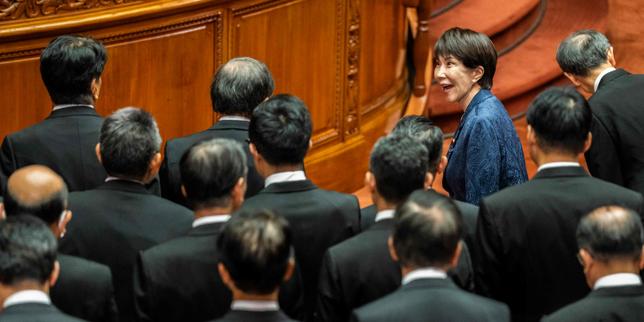
Foreign policy rarely changes overnight. When Sanae Takaichi stepped into the spotlight as Japan's prime minister, many expected a continuation of the hardline, defense-first posture that has defined Tokyo's recent security strategy. Instead, she dropped a diplomatic olive branch. Takaichi publicly committed to building a constructive and stable relationship with China, labeling the regional powerhouse an important neighbor. It is a pragmatic pivot. It is also a massive gamble.
If you look past the standard diplomatic pleasantries, a fierce geopolitical tug-of-war is happening behind closed doors. Beijing wants Tokyo to drop its military alignment with Washington. Tokyo wants economic security without military submission. How these two economic giants navigate this tightrope walk will dictate the stability of the entire Indo-Pacific region for the next decade.
The Reality Behind the Rhetoric
Diplomacy is theater, but the stakes here are real. China remains Japan's largest trading partner, yet it is also Tokyo's most pressing military concern. Coast guard incursions near the disputed Senkaku Islands haven't stopped. Cyberattacks originating from mainland infrastructure continue to target Japanese critical infrastructure.
So why soften the tone? Economics dictates the shift. Japanese manufacturing supply chains are still deeply intertwined with Chinese factories. When domestic inflation bites and consumer spending stalls, politicians cannot afford a full-scale trade war with their largest export market.
Takaichi's administration understands a simple truth. You can deter a neighbor militarily while still talking to them diplomatically. Dual-track foreign policy isn't new, but executing it without looking weak at home takes surgical precision.
Why Domestic Politics Change the Equation
Leadership in Tokyo has a habit of revolving doors. To survive politically, a Japanese prime minister must balance conservative nationalist factions within the ruling Liberal Democratic Party against the pragmatic demands of the business community.
Takaichi comes from a hawkish wing of her party. Her willingness to engage Beijing directly catches critics off guard. Hardliners in Tokyo worry that any concession to China looks like appeasement. On the flip side, the business lobby has been quietly begging for a detente to protect corporate investments.
Balancing these two factions requires walking a razor-thin line. If Takaichi goes too soft, she alienates her core base. If she stays too aggressive, she crashes the economy.
The Washington Factor
You cannot talk about Tokyo-Beijing relations without looking across the Pacific. The United States views China through the lens of strategic competition. Every move Japan makes is scrutinized in Washington.
When Tokyo signals a desire for a stable relationship with Beijing, American strategists get nervous. Washington wants a united front against Chinese expansionism in the South and East China Seas. If Japan starts cutting independent diplomatic deals, the entire alliance structure starts to fray.
Takaichi has to manage this alliance with extreme care. She cannot afford to alienate Washington, nor can she afford to become a proxy in a US-China trade war that hurts Japanese interests first. Strategic autonomy sounds great in theory, but in practice, it means disappointing your friends on both sides.
What to Watch Next
The real test of this new diplomatic phase won't happen in press conferences. Watch the maritime patrols. Watch the semiconductor export controls. Watch the bilateral summit schedules.
If Beijing responds to Takaichi's overtures by dialing back coast guard harassment, the constructive relationship might actually have a pulse. If the provocations continue while the rhetoric softens, expect Tokyo to harden its defenses once again.
Keep your eyes on the supply chains. When governments talk peace, corporations start moving money. If foreign direct investment between the two nations ticks upward over the next two quarters, the diplomatic pivot is working. If capital continues to flee, the words were just for show.