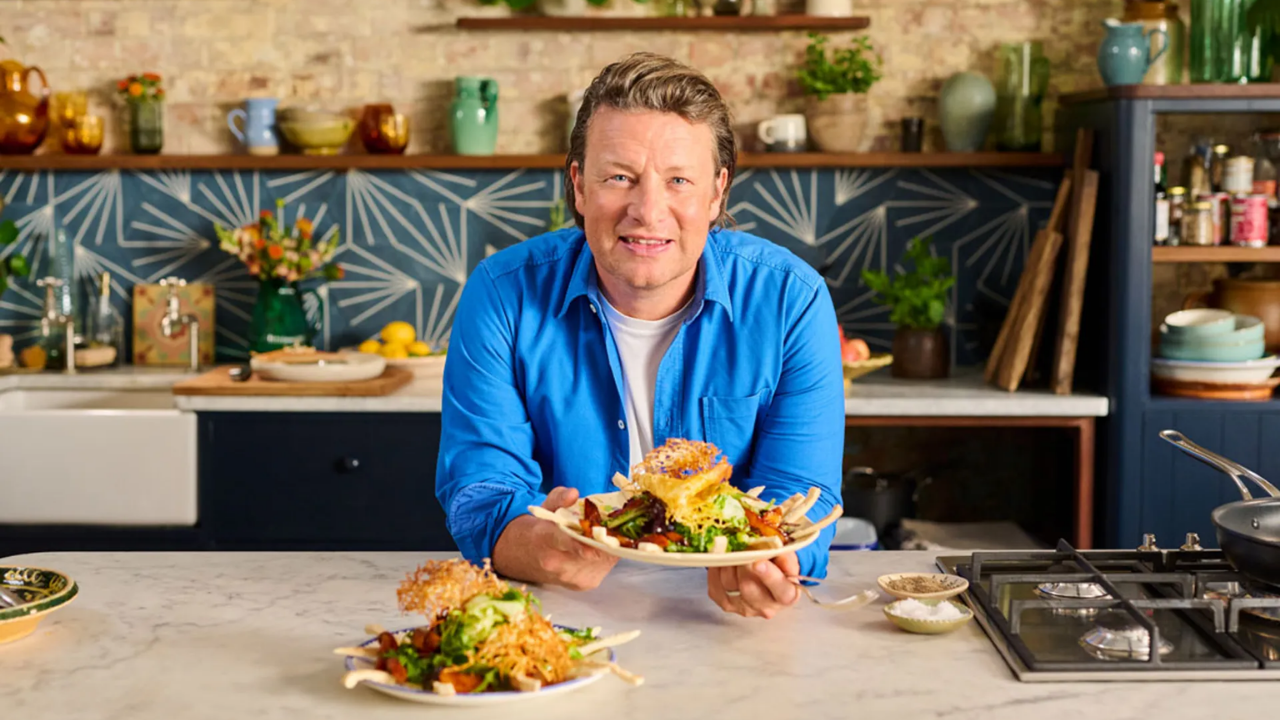
Most people think school food education is just about showing kids how to crack an egg or boil pasta. They're wrong. When Jamie Oliver kicked off his major cooking initiatives back in 2008, the goal wasn't just to churn out miniature chefs. It was about survival. By 2024, that stubborn mission had quietly transformed the lives of over 115,000 people through hands-on food education programs, community kitchens, and direct advocacy.
If you look past the TV persona and the shouting about turkey twizzlers, you find a massive, gritty public health campaign. It changed how entire communities view what goes on their plates.
The Real Problem With Modern Diets
We're drowning in convenience. Supermarket shelves are packed with ultra-processed foods designed in labs to hijack our taste buds. Real cooking feels like a chore when a box in the microwave takes ninety seconds.
Jamie spotted this trainwreck early. Kids were growing up completely detached from where their food came from. They couldn't name basic vegetables. They thought meals came from cardboard boxes and fast-food wrappers.
Teaching children how to cook isn't a cute extracurricular activity. It's an intervention. When you hand a kid a knife, teach them how to chop an onion, and let them smell garlic hitting a hot pan, something shifts. They stop being passive consumers. They become creators.
How Kitchen Classrooms Beat the System
Traditional school curriculums often treat home economics like an afterthought. A dusty textbook, a broken stove, and a teacher wishing they were anywhere else. That doesn't work.
The approach that scaled up to reach over 115,000 participants relies on immersion. You get your hands dirty. You make mistakes. You burn the sauce.
- Real ingredients replace powdered mixes.
- Basic knife skills replace theoretical worksheets.
- Tasting your own cooking builds immediate confidence.
This is where the magic happens. A child who refuses to touch broccoli on a dinner plate will happily eat it if they sliced it, seasoned it, and threw it into a pan themselves. Ownership drives appetite.
Scaling Impact Without Losing the Soul
Reaching tens of thousands of people isn't easy. You can't just drop cookbooks off at schools and hope for the best. It requires infrastructure. It requires training community champions, setting up mobile kitchens, and fighting entrenched school board bureaucracy.
The numbers tell a compelling story, but the individual shifts matter more. Parents report that their kids start reading ingredient labels. Households start swapping takeout nights for quick home-cooked stir-fries.
Of course, it hasn't been a smooth ride. Funding cuts, political resistance, and powerful junk food lobbies constantly push back. Real systemic change moves at a snail's pace. Yet, the grassroots momentum keeps winning ground.
What You Can Do in Your Own Kitchen
You don't need a TV budget or a massive community center to make a dent in this problem. Change starts right where you eat.
Stop viewing cooking as a daily tax on your free time. Treat it like a craft. Get your kids, your partner, or your roommates involved in the messy reality of prep work. Let go of perfection. Burn things sometimes. That is how you learn.
Start small. Pick one night this week to make something completely from scratch, using raw ingredients you can actually pronounce. Teach someone else a family recipe. That is how the movement grows, one kitchen at a time.