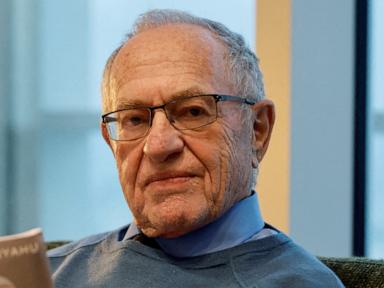
House Oversight Committee Chairman James Comer isn't hiding his frustration after Alan Dershowitz turned down an invitation to testify regarding Jeffrey Epstein. Comer called the refusal unacceptable, throwing another wrench into the panel's ongoing probe.
The House Oversight Committee has been attempting to dig into the high-profile networks surrounding Jeffrey Epstein for months. Lawmakers wanted Dershowitz, a prominent attorney who previously represented Epstein, to answer direct questions under oath about legal deals, non-prosecution agreements, and the broader web of powerful figures linked to the late financier.
Dershowitz declined the invite, pushing back on the committee's venue and scope. That choice sparked immediate backlash from congressional leadership, turning a simple witness request into a full-blown public feud.
Why the Dershowitz Epstein Panel Refusal Triggered House Oversight
When a congressional committee issues an invitation to a high-profile figure, they expect cooperation—or at least a negotiated appearance. Dershowitz's flat refusal hit a nerve. Comer made it clear that the panel considers Dershowitz’s insights critical to understanding how federal agencies handled Epstein's early legal troubles.
Epstein’s original 2008 non-prosecution agreement in Florida remains one of the most controversial legal deals in modern history. Dershowitz was part of the legal team that helped negotiate that arrangement, which allowed Epstein to plead guilty to state charges while avoiding federal prosecution at the time. Oversight members want to know who pulled the strings, how decisions were reached, and whether federal law enforcement failed victims.
Dershowitz publicly defended his decision not to appear before the panel in its current format. He argued that congressional hearings often devolve into political theater rather than fact-finding missions. He suggested alternative settings for answering questions, but lawmakers viewed his stance as a delay tactic designed to avoid public accountability.
The dispute highlights a growing tension between congressional investigators and potential witnesses. Committees hold subpoena power, but actually enforcing a congressional subpoena against a seasoned constitutional lawyer is a complex, time-consuming process.
The Broader Impact on Epstein Legal Network Investigations
This public disagreement isn't just about one lawyer skipping a hearing. It underscores the massive hurdles federal investigators face when trying to unearth decades-old legal agreements involving wealthy defense clients.
Congressional panels rarely struggle to get media attention, but they often struggle to secure enforceable testimony from key legal players. Attorney-client privilege poses a massive hurdle in these scenarios. Lawyers cannot simply reveal confidential communications with past clients, even if those clients are deceased, unless specific legal exceptions apply.
Dershowitz consistently maintains he did nothing wrong and acted purely as a zealous defense attorney representing a client. Yet lawmakers argue that systemic issues within the Department of Justice's handling of wealthy defendants outweigh individual legal defenses. They want access to documents, internal memos, and firsthand accounts of how federal prosecutors interacted with Epstein's legal squad.
Without testimony from key figures like Dershowitz, the committee's ability to produce a comprehensive report on systemic judicial failures remains limited.
Congressional Subpoena Power and Witness Pushback
When a prospective witness rejects a voluntary invitation, the committee faces a choice. They can either drop the request, attempt to negotiate terms, or issue a formal subpoena.
If Comer decides to push the issue and issue a subpoena, it sets up a high-stakes legal showdown. Contempt of Congress charges are technically possible when someone defies a lawful subpoena, but enforcing those charges requires referral to the Department of Justice. The DOJ then decides whether to prosecute—a process that can take years to play out in federal court.
Dershowitz knows these legal mechanics better than almost anyone. His refusal to appear voluntarily signals that he is comfortable challenging the committee’s authority or forcing them to take formal legal steps.
Public pressure continues to build on both sides. Oversight members want to demonstrate to voters that they are actively investigating federal misconduct and elite influence. Meanwhile, legal professionals caution against turning attorney-client relationships into political spectacles without clear statutory violations.
To track how this investigation unfolds, follow official updates on the House Oversight Committee website or review public court dockets related to the Epstein estate litigation. Watching whether Comer ultimately signs a formal subpoena will reveal just how far Congress is willing to push this legal fight.