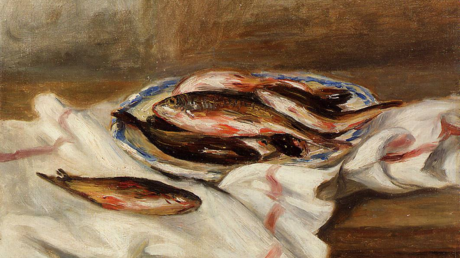
The recent theft of million-dollar masterpieces from a regional Italian museum by masked gunmen was not an isolated act of desperation. It was a surgical operation executed by professionals who knew the exact value of their haul and the specific weaknesses in the facility’s aging security infrastructure. While initial reports focus on the shock of the crime, the reality is far more clinical. These paintings were likely "stolen to order" or taken to be used as collateral in high-stakes underworld negotiations. This incident highlights a systemic failure in how Europe protects its secondary cultural hubs, leaving billions of dollars in heritage vulnerable to organized syndicates.
The Professionalization of Art Crime
Art theft is no longer the province of the gentleman thief or the lucky amateur. It has become a diversified wing of international organized crime. When masked men enter a gallery, they aren't looking for beauty. They are looking for portable wealth.
The mechanics of the recent Italian heist suggest a high level of "pre-operational surveillance." The thieves bypassed motion sensors and timed their entry to coincide with a shift change or a known gap in police response times. This level of detail requires months of planning. In the black market, a painting by a Renaissance master or a modern icon functions as a "shadow currency." It is rarely sold for its full auction value. Instead, it is traded between criminal organizations at a fraction of its worth—typically 10% to 15% of the legitimate market price—to settle drug debts or wash illicit funds.
Why Regional Museums Are Easy Targets
The focus of national security funding almost always lands on the heavy hitters. Places like the Uffizi in Florence or the Borghese Gallery in Rome are fortresses. They have state-of-the-art laser grids, 24-hour armed response, and specialized art police units on speed dial.
But Italy is a land of ten thousand museums.
Smaller, regional institutions often house works of immense value but operate on shoestring budgets. Their security systems are frequently outdated, relying on a single night watchman or cameras that haven't been upgraded since the 1990s. Criminals have figured this out. They are moving away from the high-risk "fortress" museums and targeting the soft underbelly of the art world.
The Insurance Paradox
Most people assume these works are insured for their full value. They aren't. Many state-owned museums in Italy operate under a "self-insurance" model, meaning the government essentially guarantees the work's safety. If it’s gone, it’s gone. There is no massive payout to fund a private recovery effort. Private insurance for a million-dollar painting is prohibitively expensive for a small town gallery, leading to a dangerous cycle of under-protection.
The Myth of the Private Collector
Movies have sold us the image of the reclusive billionaire sitting in a secret basement, sipping scotch while staring at a stolen Caravaggio. While these "Dr. No" characters might exist in fiction, the truth is grittier.
Most stolen art stays in the dark for decades because it is too "hot" to sell. The primary value for the thief isn't the aesthetic; it's the leverage. Stolen masterpieces are often used as "get out of jail free" cards. A criminal facing a twenty-year sentence for racketeering might suddenly "find" a missing painting and trade its location for a reduced sentence. This makes the recovery process a slow, agonizing game of legal chess that can span generations.
The Failure of the Art Loss Register
We have databases designed to track stolen works, such as the Art Loss Register and INTERPOL’s Stolen Works of Art Database. They are excellent tools, but they rely on the art entering the legitimate market to be caught.
If a painting is moved through the "grey market"—private sales between unvetted individuals or through freeports in Switzerland or Singapore—it can disappear forever. Freeports are high-security warehouses where assets are stored in a legal limbo, often passing between owners without ever physically moving or being taxed. This lack of transparency is the greatest ally of the art thief.
The Role of Technology in the Modern Heist
While thieves use traditional methods like masks and hammers, the planning has gone digital. High-resolution photos of museum interiors posted by tourists on social media provide thieves with a 360-degree view of the "hit zone" without them ever having to step foot inside. They can map out camera blind spots and exit routes from the comfort of a laptop.
To counter this, museums need to move beyond physical barriers.
- Smart Water and DNA Tagging: Invisible markers that can be applied to frames or the back of canvases, making them traceable even if they are cut from the stretcher.
- AI-Driven Behavioral Analytics: Software that can identify "casing" behavior—visitors who spend too much time looking at security sensors rather than the art.
- Blockchain Provenance: A digital, immutable record of ownership that makes it impossible for a stolen work to ever be "faked" back into the legitimate market.
The Cost of Negligence
When a painting is stolen, the loss isn't just financial. It is a theft of history. In the Italian case, the stolen works were part of the local identity, a source of pride for a community that has lived alongside these images for centuries.
The response from the Italian Ministry of Culture has been predictable: promises of increased funding and "stricter measures." But these are reactive. Until there is a fundamental shift in how we value security over acquisition, the heists will continue. We spend millions buying new works while leaving the ones we already own behind a simple glass door and a rusty padlock.
The black market for art is estimated to be worth $6 billion to $8 billion annually. It ranks just behind drugs and arms in terms of profitability for organized crime. As long as the risk remains low and the reward remains high, the world's most beautiful objects will remain nothing more than high-value targets for men in masks.
The thieves in Italy didn't just take paintings; they took advantage of a system that assumes its heritage is untouchable. They proved that in the modern era, if you can't protect it, you don't really own it.
The investigation is ongoing, but history suggests we won't see those canvases again for a long time. They are likely already wrapped in plastic, tucked away in a shipping container or a basement, waiting for the day they can be traded for someone's freedom. The museum's empty frames serve as a grim reminder that in the war between culture and crime, the criminals are currently winning.