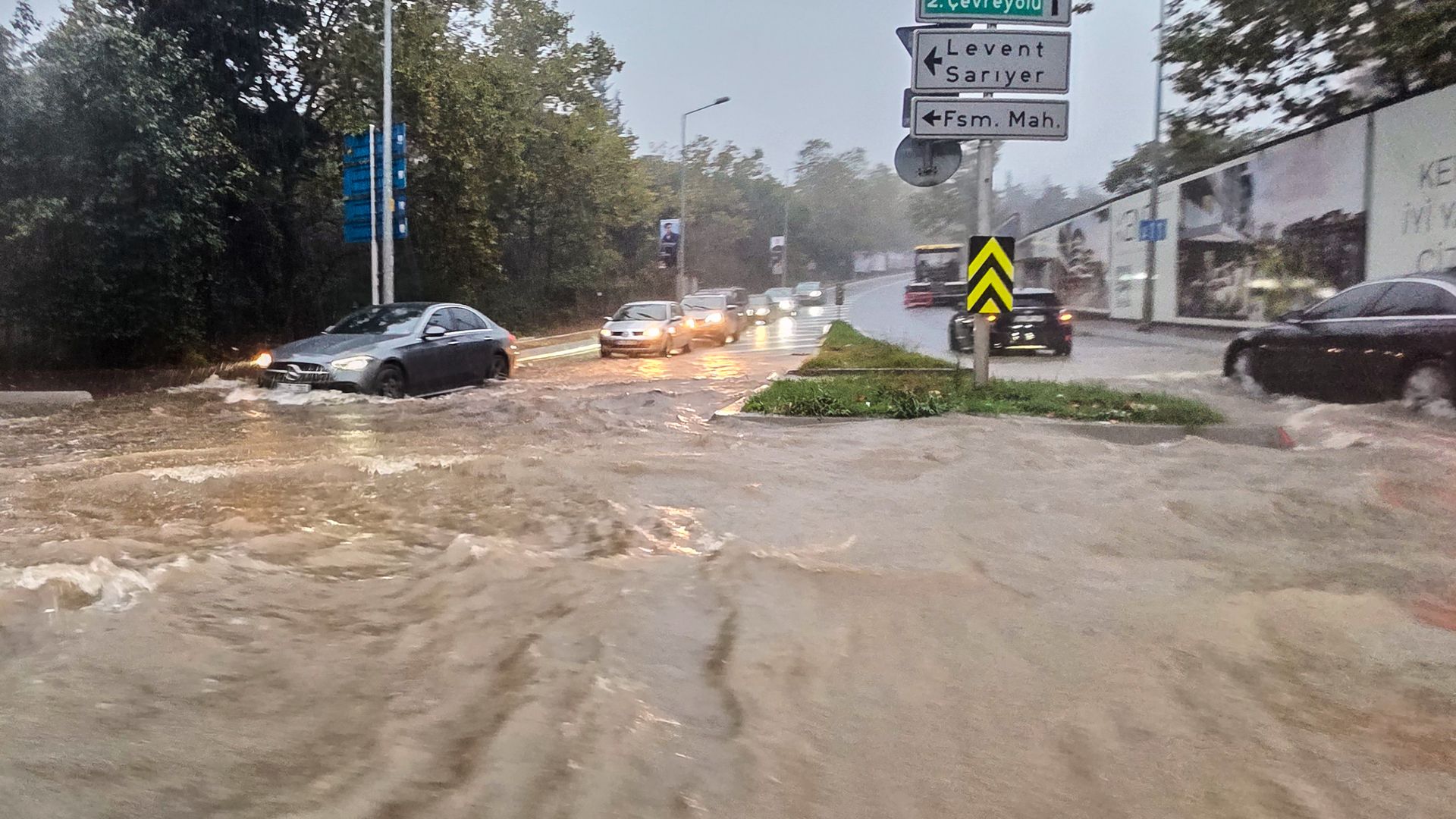
Cars piled up like toys in the streets of Istanbul, and a 14-year-old boy died stepping into a flooded puddle. When the October 2026 deluge hit Turkey's largest city, officials pointed to the heaviest rainfall since records began in 1942. Three deaths were reported early on as flash floods tore through neighborhoods, submerged roads, and overwhelmed drainage systems.
Honestly, calling this just a freak weather event misses the real story. Record downpours expose how fast-growing cities build over natural waterways, pave over absorbent soil, and run aging storm drains way past their design limits.
Why Istanbul Floods Turn Deadly So Fast
Flash flooding in a hilly coastal megacity happens before most people even process the danger. Water funnels down slopes, collects in low underpasses, and turns quiet streets into fast-moving rivers within minutes.
During the October storm, authorities reported over a thousand flooding incidents along with landslides, power and water cuts, and thousands of stranded people needing rescue. In districts like Sariyer and Kagithane, rushing water swept vehicles along and left mud coating shops and homes. In Beykoz, a retaining wall near a multi-story complex gave way, forcing evacuations.
Electrocution is one of the quietest killers in urban floods. Water meets exposed wiring, damaged street lamps, or downed lines, turning puddles into lethal traps—just like what happened in Balat. People also underestimate how little water it takes to float a car or knock an adult off their feet when currents are moving fast.
Drainage Limits in Growing Cities
Stormwater pipes in older urban cores were built for a climate and population that no longer exist. When decades of concrete replace open ground and wetlands, rain has nowhere to soak in. Instead, 100% of it races straight into storm grates packed with leaves, trash, and sediment.
Even modern pumps hit a wall when rainfall rates spike over a short window. Once surface runoff exceeds pipe capacity, manholes back up, basements fill first, and ground-floor businesses take the brunt of the damage.
Weather Records, Climate Signals, and What Officials Say
Istanbul Governor Davut Gul described the downpour as the highest precipitation level recorded in the city since 1942, while urging residents to stay indoors and avoid basement rooms. Environment, Urbanisation and Climate Change Minister Murat Kurum also linked the event to climate change, noting how shifting rainfall patterns bring heavier bursts of rain—a point echoed around regional climate discussions ahead of COP31 in Antalya.
I always look closely at how officials frame these events. Saying a storm is the worst in more than 80 years gives helpful historical context, yet relying on "once-in-a-lifetime" thinking is a trap. Warmer air holds more moisture, which means heavy convective bursts are showing up more often than old return-period charts suggest.
At the same time, attributing a single storm to climate change is different from running a formal extreme-event attribution study. Good science separates long-term trends from individual weather systems, while smart urban planning treats both as a warning sign.
What Gets Missed in Breaking News Coverage
Early flood headlines focus on dramatic rescues, flight diversions at hubs like Istanbul Airport, and school closures. Those details matter because they show how a city grinds to a halt.
Still, the bigger structural problems sit underneath the headlines. Unchecked hillside development, blocked culverts, and informal buildings near stream beds turn heavy rain into a disaster. When a city expands rapidly without matching green space and permeable surfaces, every big storm tests the weakest links in public infrastructure.
Common Mistakes People Make During Flash Floods
Watching videos of cars floating down city streets makes it easy to think, "I wouldn't get stuck like that." In real life, people make the same risky choices over and over.
- Driving through flooded roads or underpasses. You can't tell from the surface if the pavement underneath has washed out or how deep the water actually is. Stalling in rising water traps you fast.
- Walking or wading near street poles and wires. Standing water can carry electrical current from damaged cables or junction boxes with zero visual warning.
- Staying in basements or ground-level garages. Basement apartments and underground parking fill quickly and often lack easy escape routes when pressure builds against doors.
- Waiting until water enters the house to move valuables. By the time water is at the front door, street runoff is already surging.
How Cities and Residents Can Cut Flood Risk
Fixing urban flood vulnerability takes money, engineering, and tough land-use decisions. Agencies like AFAD and local municipalities coordinate emergency response and cleanup, while global bodies such as the World Meteorological Organization track extreme precipitation and hydrological hazards. Yet real resilience starts before the clouds roll in.
Cities that handle heavy rain better invest in permeable pavements, bioswales, restored stream corridors, and strict enforcement against building in floodplains. Clear drain maintenance schedules before wet seasons aren't flashy, but they keep grates from choking on day one.
If you live, work, or travel in a flood-prone city, take a few practical steps right now. Check whether your home, basement, or workplace sits in a low spot or near a drainage channel. Keep a simple emergency kit with a flashlight, power bank, sturdy footwear, and important documents on an upper shelf. When heavy rain warnings hit, skip unnecessary trips, avoid underground spaces and fast-moving water, and follow official alerts instead of testing the streets yourself.
Istanbul's worst floods in 80 years leave 4 dead shows the scale of the flooding and emergency response in the city.