Diplomacy in the Middle East has a nasty habit of shattering the moment it encounters the reality of a muddy trench. Just as Washington and Tehran traded highly sensitive, tentative drafts to lock down a 60-day ceasefire and kickstart fresh nuclear negotiations, Israel pulled the rug out.
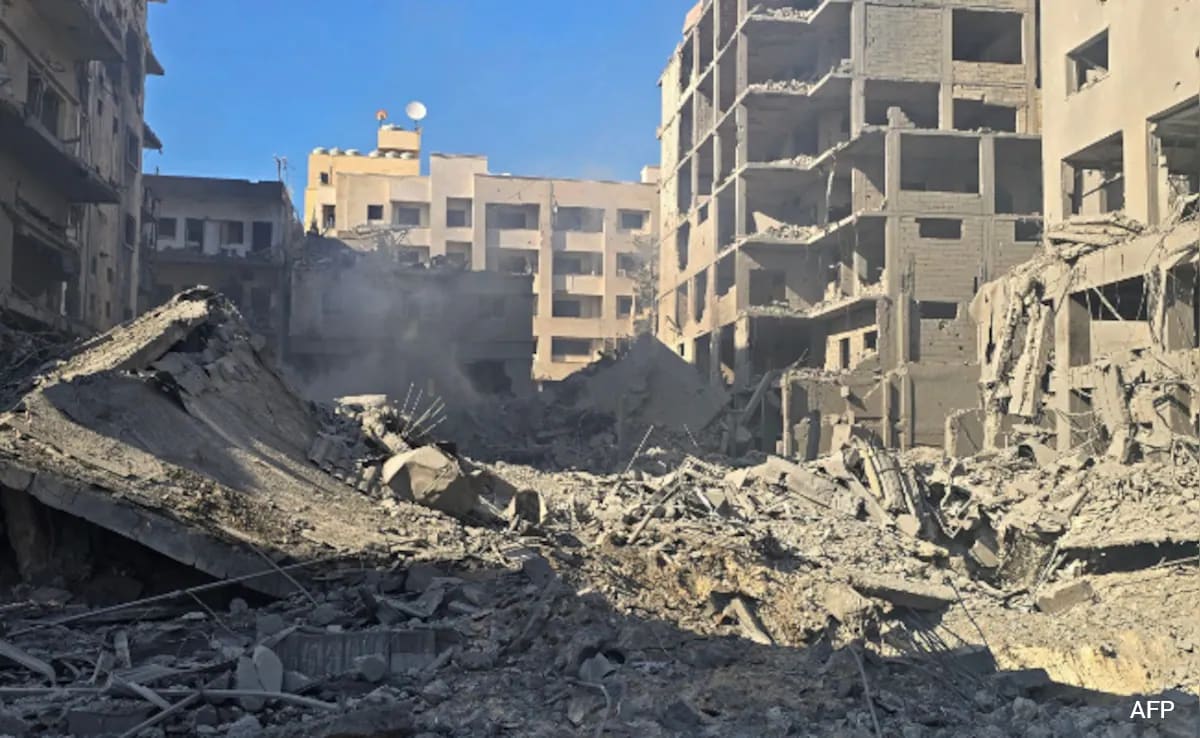
Instead of winding down, the Israel Defense Forces pushed forward with its deepest ground incursion into Lebanon in a quarter-century.
It's a brutal reality check for American diplomats. You can draft all the elegant memorandums of understanding you want in a climate-controlled room, but if your regional ally doesn't sign off, it's just expensive scrap paper.
Right now, the White House is trying to engineer an exit ramp from a three-month-old direct war with Iran. The core tension is blindingly simple. Iran demands a package deal that stops the fighting on all fronts—especially in Lebanon. Israel, meanwhile, refuses to let a Western diplomatic breakthrough preserve the military capabilities of Hezbollah right on its northern doorstep.
The Illusion of an Isolated Iran Agreement
It’s easy to look at the Washington-Tehran backchannel and think it's just about uranium stockpiles, frozen assets, and securing the Strait of Hormuz. That's how Western negotiators like to treat it. They prefer neat, compartmentalized boxes.
But Tehran doesn’t operate that way. Neither does Jerusalem.
Iran's entire defense strategy relies on its "Axis of Resistance." Hezbollah is the crown jewel of that network. For the Islamic Republic, signing an agreement that protects its homeland from American and Israeli airstrikes while letting the IDF systematically dismantle its primary forward-deterrent asset in southern Lebanon makes zero strategic sense.
Iranian Foreign Minister Abbas Araghchi has been blunt about this behind closed doors. Iranian state media and IRGC-affiliated outlets like Tasnim have constantly reiterated that any final memorandum must end the war on all fronts. They aren't going to hang Hezbollah out to dry.
Why Israel is Doubling Down on the Litani River
Look at it from the Israeli security perspective and you quickly see why Prime Minister Benjamin Netanyahu isn't about to play along with Washington's timeline.
The IDF has moved its 401st Armored Brigade and heavy infantry deeper into Lebanese territory than we've seen since the late 1990s. This isn't just a brief border raid. It's a massive, coordinated effort to force Hezbollah north of the Litani River and destroy the tunnel networks, missile launch pads, and weapons caches that have threatened northern Israel for decades.
Over a single weekend, Hezbollah fired more than 300 projectiles into northern Israel and at advancing IDF troops. That doesn't look like an organization ready to pack up and disarm.
IDF Chief of Staff Lt. Gen. Eyal Zamir recently approved plans to deepen the blow against the group, completely ignoring the diplomatic noise coming out of Washington. Israel wants freedom of operation in southern Lebanon. It wants the right to strike if Hezbollah so much as twitches, regardless of what the U.S. and Iran agree to on paper.
The Nuclear Conundrum and the Trump Factor
The diplomatic framework currently on the table is supposed to unfold in three distinct stages. First, formalize a temporary ceasefire. Second, reopen maritime commerce and stabilize the Strait of Hormuz. Third, launch a 30-day window to negotiate a broader, long-term deal regarding Iran's highly enriched uranium stockpile.
But look at the massive gap in expectations between the two sides.
- The American Position: U.S. officials claim Iran has tentatively agreed to give up its highly enriched uranium stockpile as a baseline for sanctions relief.
- The Iranian Position: Tehran claims it has made absolutely zero nuclear concessions at this stage. They believe the draft defers all nuclear talks until after they get relief from economic blockades and military pressure.
President Donald Trump hasn't signed off on the current draft yet. He's made it clear he expects an agreement that denies Iran a clear path to a nuclear weapon, but he’s also reportedly sympathetic to Israel’s demand to keep hammering Hezbollah. You can't have both. You can't support a total Israeli military campaign in Lebanon and expect Iran to cheerfully surrender its nuclear leverage at the negotiating table.
How This Spills Over into Global Markets
This isn't a localized border dispute. The breakdown of a fragile truce in Lebanon sends shockwaves far beyond the Levant.
When the U.S.-Iran talks stall, the immediate point of leverage isn't the Lebanese border—it’s the Strait of Hormuz. We’ve already seen mysterious drone and missile attacks tracking as far south as Kuwait, whose air defense systems recently had to intercept incoming threats.
If the draft agreement collapses because of the fighting in Lebanon, Iran will likely tighten its grip on global shipping lanes again. That means higher insurance premiums for oil tankers, disrupted supply chains, and immediate inflationary pressure on global energy markets.
What Happens Next on the Ground
If you’re watching this crisis unfold, ignore the vague, optimistic statements from diplomatic spokespeople. Watch the movements of the IDF’s Northern Command and the language coming out of Tehran regarding its nuclear enrichment facilities.
The next logical steps aren't going to be pleasant. Expect Israel to widen its ground operations around Tyre and the southern suburbs of Beirut to maximize its military gains before any international pressure forces a halt. Simultaneously, watch for Iran to stonewall the next round of message exchanges with Washington, using its uranium enrichment levels as a direct counter-threat to Israel's advance.
The reality is that a sustainable peace can't be built by ignoring the proxy war. Until Washington addresses Israel’s core security requirement—the verifiable rollback of Hezbollah from the border—any document traded between the U.S. and Iran will remain an exercise in wishful thinking.