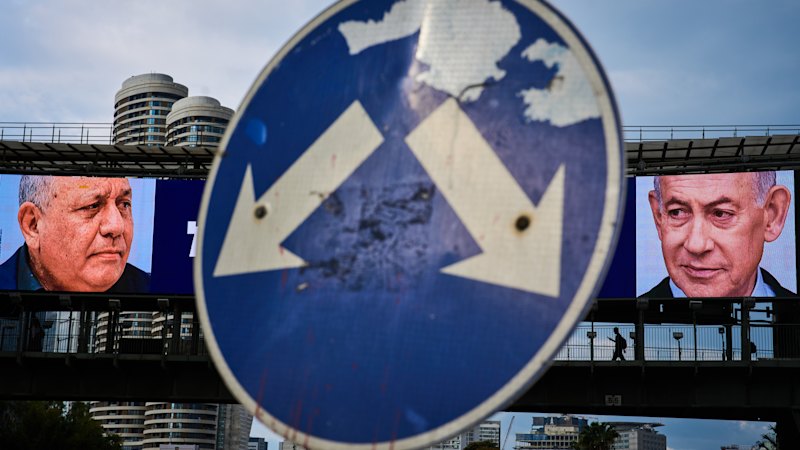
The math in Israel's 120-seat Knesset isn't subtle. Following the October 27, 2026 election, Benjamin Netanyahu's right-wing and religious bloc sits at 53 seats. The Zionist opposition—anchored by Gadi Eisenkot's Yashar party, Naftali Bennett's Together, Yair Golan's Democrats, and Avigdor Lieberman's Yisrael Beiteinu—holds just 48 seats. Neither side can reach the 61-seat governing threshold alone.
Standing right in the middle of that deadlock are 19 seats controlled by two Arab-led political factions: the Joint List with 11 seats and Mansour Abbas's Ra'am party with 8. Combine the Zionist opposition's 48 seats with those 19 Arab seats, and you get 67. That isn't a razor-thin scrape. It's a comfortable governing majority that ends Netanyahu's decades-long grip on power tomorrow. Read more on a related subject: this related article.
Yet instead of locking in that majority, key figures in the anti-Netanyahu camp are treating Arab voters and their elected representatives like political poison.
How Arab Voters Turned Into Kingmakers
To understand why this standoff feels so surreal, you have to look at what actually happened at the ballot box. Overall turnout hit roughly 78%, the highest Israel has seen since 1999. Arab citizens, who make up roughly 20% of Israel's population, turned out in massive numbers. Additional analysis by BBC News highlights similar views on this issue.
They didn't show up by accident. After three grueling years following the October 7 attacks, the Gaza war, rampant violent crime inside Arab towns, and constant legislative pressure from Netanyahu's outgoing coalition, Arab voters made a calculated choice. Instead of boycotting a system that routinely sidelines them, they flooded the polls and delivered an unprecedented 19 Knesset seats—a net gain of nine seats over the previous parliament.
The two factions carrying those 19 seats represent distinct political instincts within Palestinian-Israeli society:
- The Joint List (11 seats): A reunited alliance of Hadash, Ta'al, and Balad led by Dr. Yousef Jabareen alongside veteran lawmakers like Ahmad Tibi. They ran together specifically to guarantee none of the smaller lists fell below Israel's 3.25% electoral threshold. While they refuse to sit inside a Zionist cabinet, Tibi and Jabareen openly recommended Eisenkot for the mandate to form a government. Their goal is pragmatic: vote from the outside to remove Netanyahu.
- Ra'am (8 seats): Led by Mansour Abbas, a former dentist and practicing imam who shattered a decades-old taboo in 2021 by bringing an independent Arab party directly into the Bennett-Lapid governing coalition. Abbas runs on tangible domestic delivery—budgets for housing, infrastructure, and policing in Arab municipalities. A University of Haifa poll published in November 2026 found that 59% of Arab citizens support Arab parties joining a governing coalition.
Both factions did their part. On November 8, 2026, President Isaac Herzog officially tasked Gadi Eisenkot with forming Israel's next government after 67 incoming lawmakers—including both Ra'am and the Joint List—backed him over Netanyahu's 46 recommendations. Arab lawmakers handed the opposition the keys to the prime minister's office without demanding sweeping ideological concessions.
And then the Jewish opposition started blinking.
The Opposition's Self-Inflicted Paralysis
If you've watched Israeli coalition politics over the past decade, you know that arithmetic rarely beats identity panic. Eisenkot has publicly condemned Netanyahu's rhetoric targeting Arab citizens, and his Yashar party has floated pushing a minority government vote before December 6 if broader talks stall. But Eisenkot doesn't control 48 seats on his own. He has to keep three other Jewish opposition leaders in line, and the cracks are already wide open.
Avigdor Lieberman, head of the right-wing secular party Yisrael Beiteinu (7 seats), has flatly rejected forming any coalition backed by Arab parties. Think about the political gymnastics required here. Lieberman built his entire 2026 campaign around forcing ultra-Orthodox (Haredi) men into military conscription. Yet once the votes were counted, Lieberman signaled sudden flexibility on Haredi draft exemptions rather than rely on Arab Knesset members to unseat Netanyahu.
Naftali Bennett, whose Together party holds 12 seats, faces a similar bind. Even though Bennett governed alongside Mansour Abbas in 2021, the post-October 7 political climate has hardened right-leaning Jewish voters against anything resembling dependence on non-Zionist parties.
Here is what makes this hesitation so frustrating: nobody is even asking Lieberman or Bennett to appoint Joint List lawmakers as defense ministers. The Joint List has already stated it wants to remain outside the coalition. All the opposition needs is passive outside support—or abstentions—during a Knesset confidence vote, paired with Ra'am's willingness to cooperate on civil budgets.
Instead, parts of the opposition are desperately courting ultra-Orthodox parties like United Torah Judaism (7 seats) and Shas (6 seats). Doing so means gutting the very military draft reform and secular economic platform their own voters went to the polls to demand. They would rather betray their core promises to Jewish voters than accept legitimate votes from Arab citizens.
Netanyahu's Smear Playbook Is Working
Why are centrist and right-wing opposition leaders so terrified of a 67-seat bloc that already exists on paper? Because Benjamin Netanyahu spent the entire post-election period weaponizing fear around Arab legitimacy, and his opponents keep playing on his turf.
The moment initial tallies showed his coalition losing its majority, Netanyahu accused Arab Israeli parties of using foreign backing—specifically alleging interference by Qatar—to "steal" the election. Israel's Central Elections Committee formally rejected his claims of coordinated voting fraud on November 4, and Doha dismissed the accusation as ridiculous. An investigation by an Israeli broadcaster later revealed that Netanyahu's camp had prepared the "stolen election" narrative around Arab polling stations in advance.
Netanyahu knows the accusation doesn't need to hold up in court. It just needs to spook Jewish swing voters.
For years, Likud messaging has treated the 20% of Israeli citizens who are Palestinian Arabs not as equal participants in a democracy, but as an illegitimate fifth column whenever they vote against the right. Every time Netanyahu warns that Israel is at a "historic crossroads" and demands a unity government "without Arabs", he is setting a psychological trap for Eisenkot, Bennett, and Lieberman: If you govern with Arab support, you are not a real Zionist government.
Every time opposition leaders apologize for Arab endorsements or swear off Arab parliamentary backing, they validate Netanyahu's premise. They concede that a citizen's ballot only counts if it belongs to a Jewish party.
What Happens If the Shunning Continues
If Eisenkot's coalition talks collapse before the December deadline, Israel doesn't magically get a stable centrist cabinet. Look at the actual alternatives on the table:
- A Netanyahu Resurrection: Netanyahu only needs to peel away eight seats from the opposition or lure a fractured faction back into his 53-seat camp. While Haredi conscription disputes complicate his path, Netanyahu has survived worse arithmetic by offering cabinet posts and budgets to desperate partners.
- A Paralysed Unity Government: Netanyahu has repeatedly pushed for a broad unity government with Eisenkot that excludes both the far-right and Arab parties. Eisenkot has ruled out serving under Netanyahu, and for good reason—entering a Likud-led government after campaigning as the candidate of post-October 7 accountability would destroy Yashar overnight.
- Another Election in Early 2027: If neither side reaches 61 seats, the 26th Knesset dissolves and sends Israelis back to the ballot box in early 2027. During that entire campaign window, Netanyahu remains in power as caretaker prime minister, controlling executive decisions on Gaza, Lebanon, Iran, and judicial appointments without a parliamentary mandate.
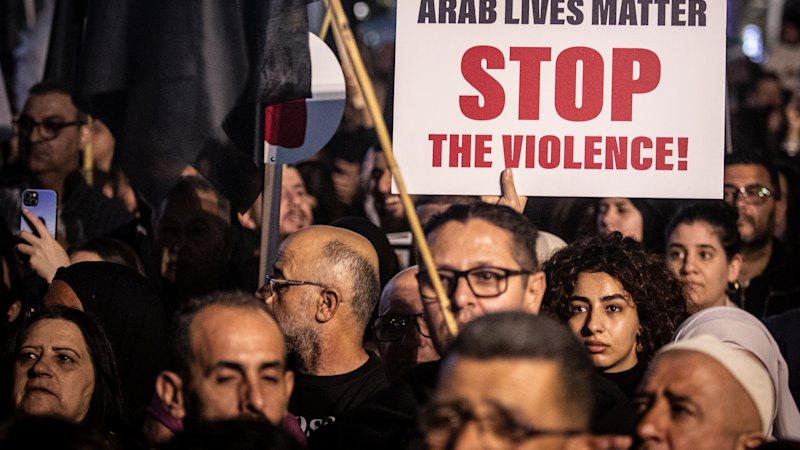
Meanwhile, the message sent to nearly two million Arab citizens is devastating. They played by every democratic rule. They rejected calls for boycott, overcame deep skepticism, and delivered 19 seats specifically to break a toxic political stalemate. If the opposition refuses to partner with them even after that turnout, voter disillusionment in Arab communities won't just spike—it will hand Netanyahu permanent structural power by depressing future Arab turnout for a generation.
How to Follow the Coalition Endgame Without Getting Spun
Israeli coalition negotiations run on leaks, bluffs, and calculated outrage. If you're tracking whether Eisenkot actually pulls off a government or hands power back to Netanyahu, ignore the daily press-conference posturing and watch three concrete markers instead:
- Watch the Knesset committee assignments, not the speeches. Real coalition building happens in parliamentary committees before a confidence vote ever hits the floor. Pay attention to whether Ra'am and Joint List lawmakers are included in Finance and Interior Committee chair negotiations, which signals genuine legislative coordination behind closed doors.
- Track the Haredi conscription bill deadline. The real test of Lieberman and Bennett's intentions isn't what they say about Arab parties on television—it's whether they water down universal draft legislation to appease United Torah Judaism and Shas. Any compromise on draft exemptions proves they're choosing ultra-Orthodox alliances over Arab parliamentary support.
- Follow primary Hebrew and local reporting directly. Outlets like The Times of Israel, Haaretz, and the Israel Democracy Institute publish raw Knesset vote breakdowns and coalition math without the partisan spin common in international hot takes.
Israel's opposition already has the votes to end the Netanyahu era. The only thing standing in the way is whether its leaders have the nerve to treat a fifth of their own country as full citizens.