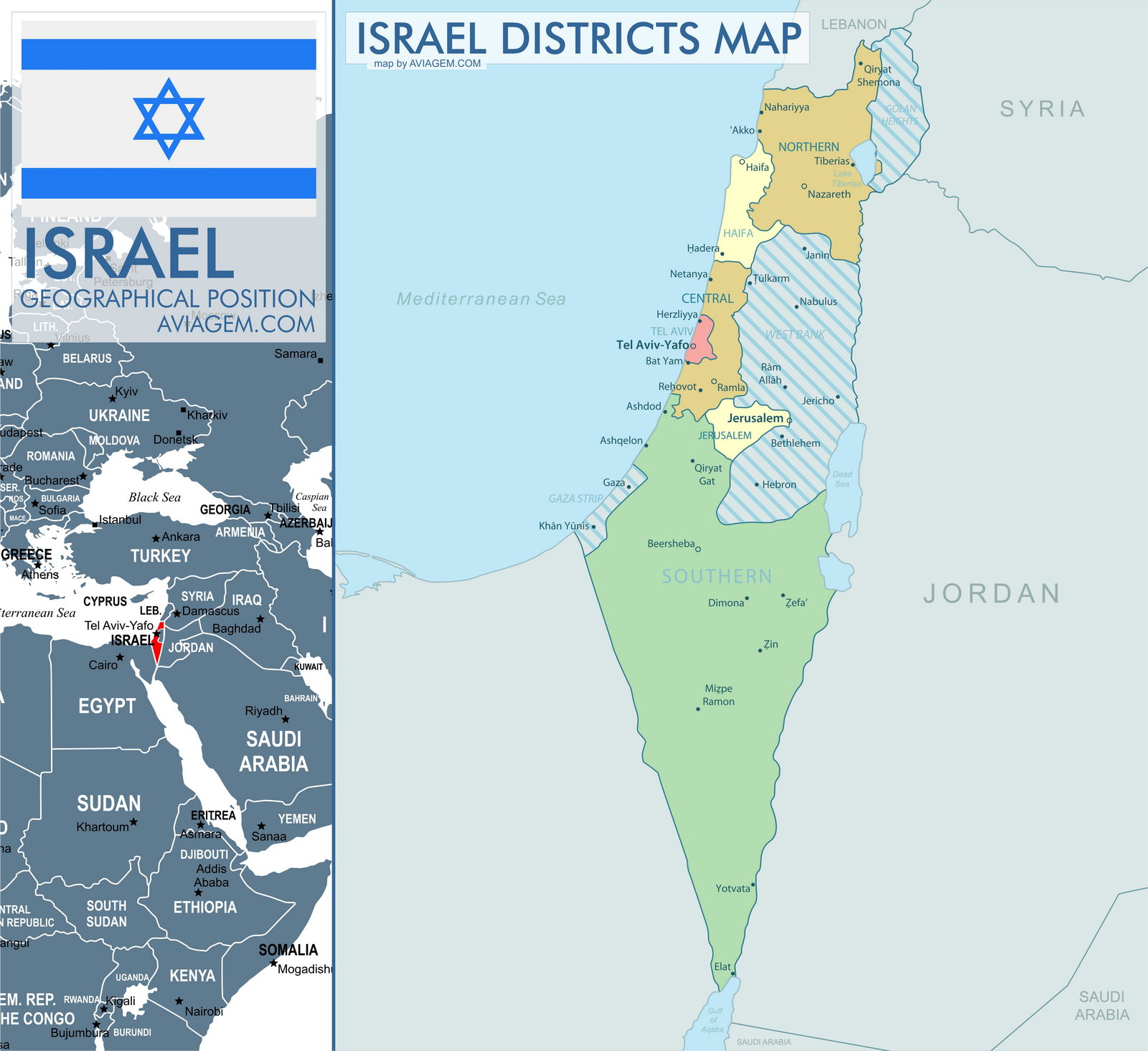
The convergence of a US-brokered maritime agreement with Tehran and an escalating northern front has exposed a fundamental divergence in allied strategy. While Washington purports to finalize a sweeping commercial and maritime deal with Iran to reopen the Strait of Hormuz, Jerusalem is actively decoupling its theater-level kinetic actions from Washington's diplomatic track.
This analytical blueprint establishes the strategic framework driving Israel's ongoing operations against Hezbollah in southern Lebanon, demonstrating why the degradation of localized threats functions independently of any broader diplomatic or structural shift within the Iranian state. For another perspective, check out: this related article.
The Friction Vectors of Allied Strategy
The current geopolitical friction stems from an asymmetrical alignment of strategic objectives between the United States and Israel. This divergence can be systematically broken down into two distinct operational paradigms.
The Global Commercial Focus
The United States operates on a maritime preservation model. The primary objective is the reduction of systemic risk to global supply chains, specifically the elimination of the maritime blockade in the Strait of Hormuz. The US mechanism prioritizes a 60-day negotiation window, economic stabilization, and the mitigation of global energy volatility. Related coverage on the subject has been provided by The New York Times.
The Regional Existential Focus
Israel operates on an immediate threat-elimination model. Security calculations are governed by localized kinetic vulnerabilities rather than global macroeconomic flows. The primary objectives are the elimination of the ballistic missile envelope and the systemic dismantling of proxy infrastructure on its immediate borders.
The tension between these two paradigms manifests in the current diplomatic landscape. While the executive branch in Washington signals a finalized accord, Israeli defense leadership maintains absolute operational autonomy. This independence is structurally required because the proposed multilateral frameworks fail to address the core security deficit on Israel's northern border.
The Mechanics of Kinetic Separation
A critical error in contemporary analysis is treating the Levant as an extension of the Persian Gulf diplomatic framework. The operational reality relies on kinetic separation: the deliberate isolation of theater-level engagements from global diplomatic settlements.
Israel’s strategic stance, as clarified by diplomatic briefings in New Delhi, builds upon three distinct operational realities.
       [Iranian State Core]  --- (Financial/Logistical Flow) --->  [Hezbollah Sub-Structure]
                |                                                             |
    (US-Iran Maritime Deal)                                         (Israeli Buffer Zone)
                |                                                             |
   [Strait of Hormuz Reopens]                                      [Kinetic Dismantling]
1. The Exclusion of the Lebanese Theater
The diplomatic understandings reached between Washington and Tehran do not extend to the sovereign territory of Lebanon. The text of the maritime agreement focuses primarily on the restoration of international shipping lanes. Consequently, the operational environment in southern Lebanon remains separate.
The future stabilization of the Blue Line is governed exclusively by bilateral negotiations between Israel and the Lebanese government, not by multilateral concessions in the Gulf.
2. Defensive Buffer Maintenance
The Israeli Ministry of Defense enforces a rigid buffer zone policy. The presence of ground forces and the execution of interdiction strikes inside southern Lebanon are determined by tactical necessity rather than international political timelines.
Operational continuity requires the destruction of hidden launch systems, anti-tank guided missile positions, and subterranean logistics networks, irrespective of a nominal ceasefire in alternative theaters.
3. Proxy Decentralization
While Hezbollah relies on Iranian financial and logistical inputs, its tactical deployments operate with a degree of structural autonomy. A suspension of hostilities in the Persian Gulf does not automatically dismantle the fortified infrastructure established over two decades in southern Lebanon. Therefore, the removal of the immediate border threat requires a distinct kinetic solution.
The Cost Function of Proxy Degradation
The assertion that Israel is pursuing "regime change" in Tehran misinterprets the strategic cost function governing the conflict. Forcing political transformation within a nation of over 90 million people presents an unfavorable risk-to-reward ratio. Instead, the strategic objective focuses on threat containment and resource exhaustion.
The strategic equation targets two specific variables:
- The Ballistic Missile Envelope: Neutralizing the precision-guided munitions capability that minimizes Israel's strategic depth.
- The Nuclear Enrichment Track: Forcing a structural halt to the weaponization of fissile material through targeted degradation rather than political re-engineering.
By limiting the scope of the conflict to the dismantling of these two components, Israel seeks to establish an unsustainable economic choice for the Iranian leadership. The strategy forces Tehran to choose between state financial solvency and the continued funding of external proxy forces.
The release of frozen assets under potential sanctions relief presents an internal risk factor for Tehran. If the regime redirects newly available capital toward rebuilding external proxy infrastructure rather than addressing domestic economic deficits, it increases domestic political volatility. The strategic goal is not the forced removal of the government by external actors, but rather letting internal domestic accountability metrics take their course.
Regional Supply Chains and Strategic Partnerships
The venue for these diplomatic developments—New Delhi—emphasizes the shifting calculus of Indo-Israeli strategic alignment. India’s posture throughout the conflict underscores a structural transition toward a highly resilient bilateral framework.
- The Trade Continuity Vector: Unlike European partners, India has rejected trade embargoes and defense supply restrictions. This has insulated Israel’s defense industrial base from supply-chain shocks during prolonged multi-front operations.
- Labor and Infrastructure Interdependency: The doubling of Indian guest workers in Israel’s construction sector provides the human capital necessary to maintain domestic economic output during high-mobilization phases. Concurrently, the entry of major Indian infrastructure conglomerates into municipal tenders, such as the Tel Aviv Metro, anchors long-term capital commitments.
- The Geopolitical Trust Deficit: The exclusion of traditional regional mediators, such as Pakistan, from the bilateral and multilateral security architectures of the Abraham Accords framework reflects a strict verification paradigm. Jerusalem's strategy relies on actionable, verifiable partnerships rather than broad diplomatic declarations.
Structural Strategy
The operational trajectory indicates that the conflict will not conclude with a singular, comprehensive regional treaty. Instead, expect a fragmented security environment defined by distinct diplomatic and kinetic zones.
The strategic imperative for defense analysts and policymakers requires tracking two simultaneous, independent metrics: the rate of maritime traffic recovery through the Strait of Hormuz, and the verifiable reduction of missile launch infrastructure south of the Litani River.
The United States will likely proceed with its maritime stabilization model to secure global energy transit. Simultaneously, Israel will continue its targeted kinetic operations in southern Lebanon until its defensive parameters are established. Managing this strategic divergence requires maintaining operational independence while leveraging resilient bilateral partnerships to withstand external diplomatic pressure.
This video analysis details the core security metrics and regional infrastructure priorities driving contemporary Israeli defense policy.