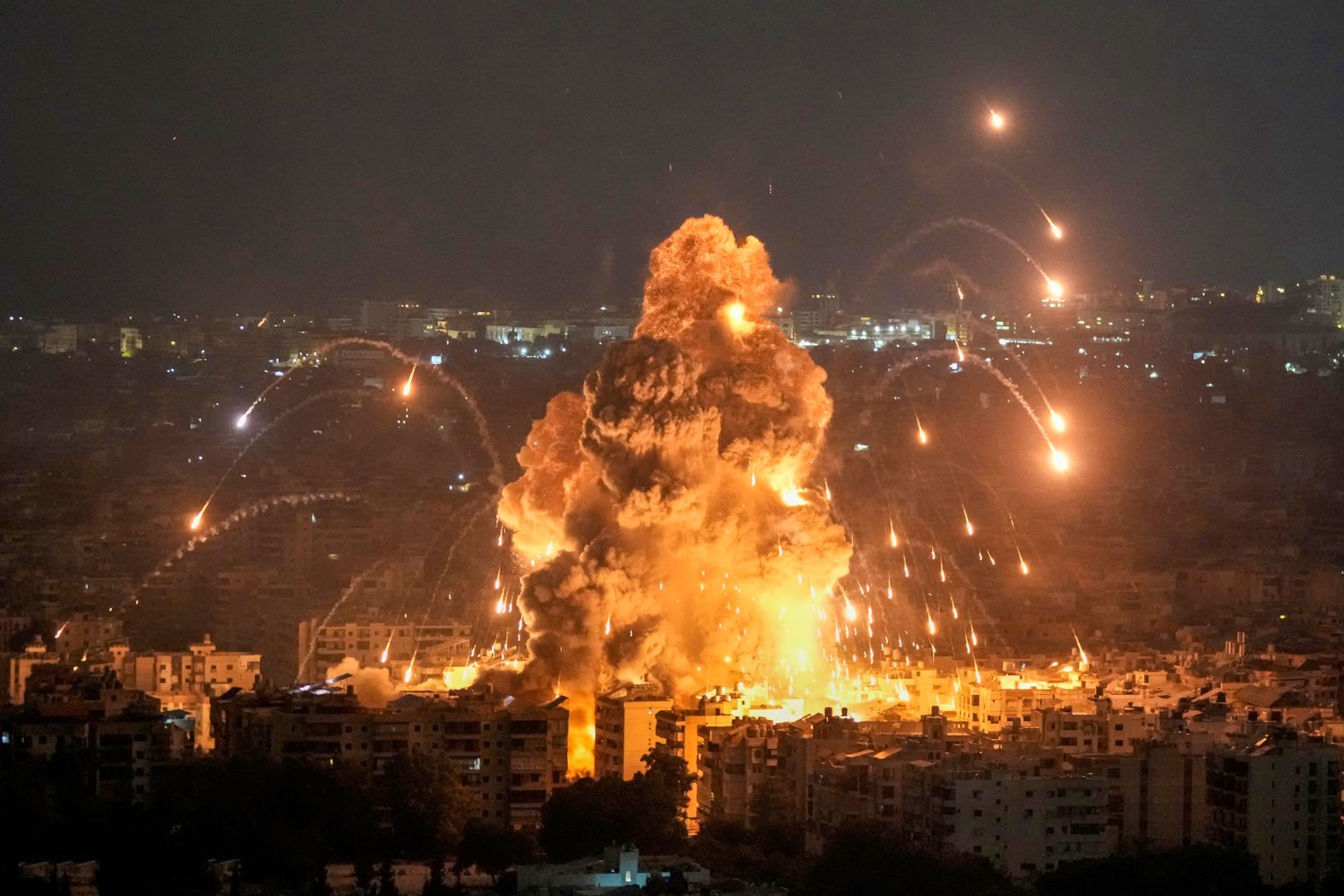
The Middle East rarely stays quiet for long. This week, Israeli jets struck the Abu Duhur air base in Syria, leaving the runway and storage facilities in ruins. While regional actors are trading barbs, the real story isn't just about a few craters in the dirt. It's about a high-stakes chess match where Israel is effectively drawing a red line through what it considers a burgeoning Turkish-Syrian military alliance.
Israel’s Prime Minister, Benjamin Netanyahu, made the government's stance crystal clear. The official word from his office is that Syria breached a security "status quo" by letting Turkish forces move into a base near Aleppo. Israel says it warned Damascus repeatedly. Syria ignored them. Israel decided to act. Don't miss our previous article on this related article.
The view from the ground
The Abu Duhur air base is no stranger to conflict. It has been out of service as a functional military airfield since 2013, trading hands repeatedly throughout Syria’s brutal, decade-long civil war. Since the fall of the Assad regime in December 2024, the region has been in a fragile state of flux.
When you look at the geography, it’s easy to see why this matters. The base sits about 70 kilometers east of the Turkish border. For Ankara, rehabilitating this site would provide a massive strategic advantage, potentially allowing them to project power deeper into Syrian territory. For Israel, this isn't just about an airport. It's about fear—the fear that Turkey, a power with regional ambitions, is building a forward-operating base that could host advanced capabilities right in Israel’s backyard. To read more about the history here, NPR provides an excellent breakdown.
The clash of narratives
You’ve got three distinct stories being told right now. Israel claims it had "highly sensitive" intelligence—shared, it says, with the US—that Turkey was planning a deployment. They argue this is a necessary pre-emptive strike to prevent a future threat.
Then there’s the Turkish perspective. Ankara has slammed the claims as "frivolous allegations" and a mere pretext to justify violating Syrian sovereignty. An unnamed official told Axios that there was no Turkish presence at the base. They view the strike as an act of naked aggression, not security.
And then there's Washington. US special envoy Tom Barrack didn't mince words, calling the strike an "unnecessary escalation." The American position is that the new government in Damascus—led by Ahmad al-Sharaa—has shown a preference for de-escalation. By striking, Israel is essentially pushing back against the US-backed, fragile stability that has existed since the end of the Assad era.
Why this matters to you
You might be wondering why this particular strike is getting so much heat compared to the hundreds of others Israel has carried out in Syria over the last few years.
- Changing Alliances: Post-Assad Syria isn't the same as the old regime. The cozy relationship between Damascus and Ankara has changed the regional math entirely.
- US-Israel Friction: The public divergence between the Trump administration and Jerusalem is growing. When the US openly criticizes an Israeli strike as "unnecessary," it signals that the backroom coordination isn't working as it once did.
- The Pre-emptive Doctrine: Israel is doubling down on its "kinetic communication" strategy. They aren't waiting for a threat to materialize; they are bombing the infrastructure before the foreign troops even land.
If you’re watching the region, keep your eyes on the deconfliction channels. Israel and Syria have been in US-mediated talks for over a year to avoid exactly this kind of flare-up. Tuesday’s strike shows just how thin that diplomatic ice has become.
For the average observer, it’s tempting to look for a "winner" in this exchange. But there isn't one. Israel has effectively burned a bridge with the new Syrian administration in the name of security, while Turkey now has a massive propaganda win, framing itself as the defender of Syrian sovereignty against a regional power.
Expect more of the same. Until there is a formal, recognized security architecture in Syria that all parties can stomach, the airstrikes will keep happening. If you’re looking for a change, watch for whether Washington can force a shift from kinetic strikes back to the negotiating table. If they can't, the skies over Idlib will remain very dangerous.