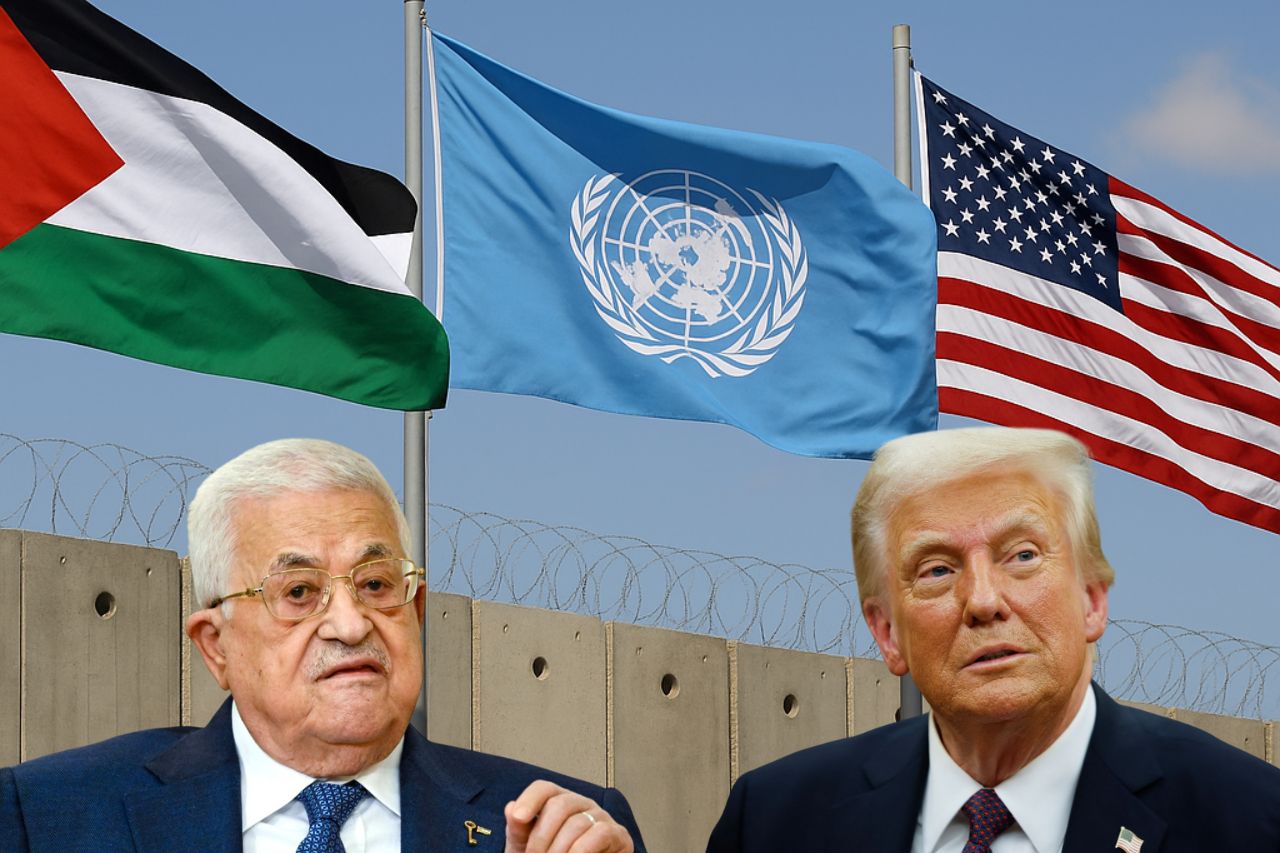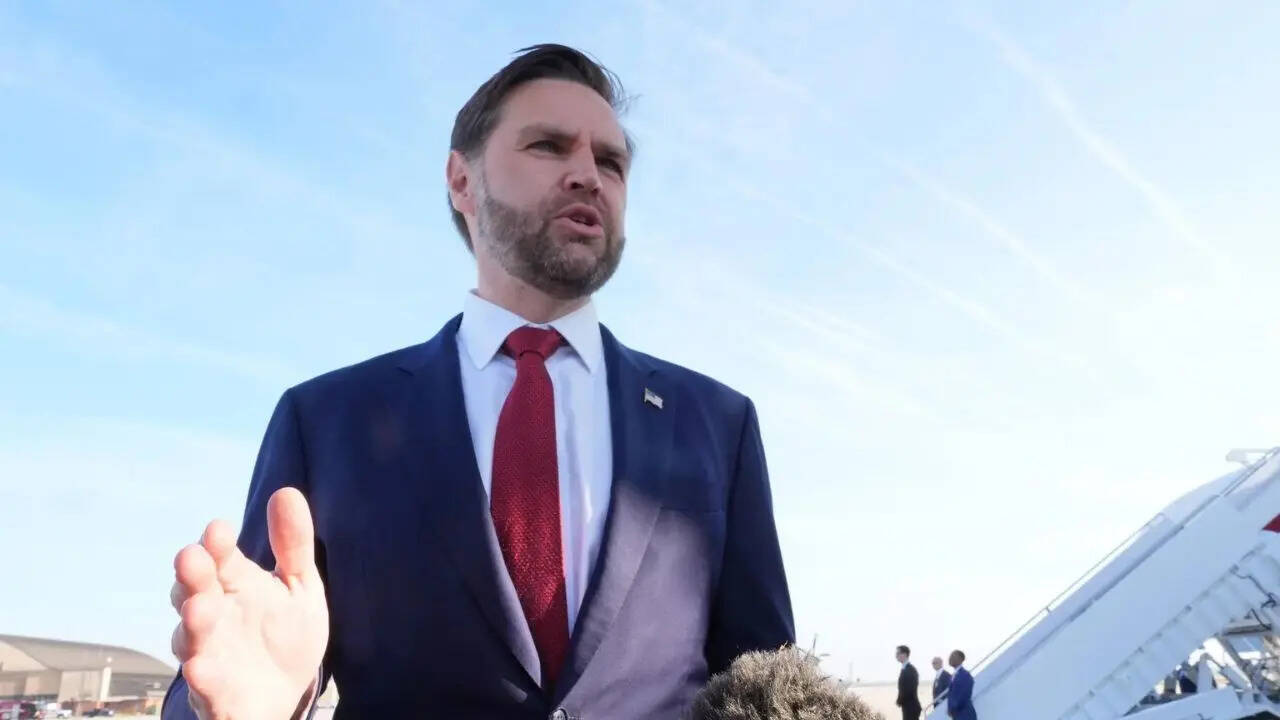
The arrival of Air Force Two at Nur Khan military airbase signals more than a mere diplomatic overture; it represents a high-stakes pivot in a conflict that has already redefined global energy security. Vice President JD Vance landed in Pakistan on Friday with a clear mandate from the Trump administration to test the durability of a forty-day-old war that neither side can afford to continue, yet neither side knows how to end. Within the first hour of his departure from Washington, Vance established the tone for the Islamabad summit by warning Tehran that while the U.S. offers an open hand, the era of strategic patience has been replaced by a "play us and see" doctrine.
The primary objective of these talks is to transform a fragile two-week ceasefire into a permanent settlement that reopens the Strait of Hormuz. For the global economy, the stakes are measured in the 20% of the world’s oil supply currently choked off by the naval blockade. For the Trump administration, the mission is an attempt to secure a major foreign policy win before the November midterms, leveraging Vance’s reputation as a skeptic of "forever wars" to lure Iranian negotiators to a table they have previously shunned. For a different perspective, read: this related article.
The Architect of the Intermediary
Pakistan’s role as the host is not an accidental choice of geography. Under the leadership of General Asim Munir, Islamabad has spent the last year meticulously positioning itself as the only bridge between a populist White House and a defiant Tehran. This "Islamabad Gambit" is a survival tactic. Pakistan faces a nightmare scenario where a full-scale regional collapse would ignite its own restive borders with Afghanistan and India, potentially dragging the nuclear-armed nation into a three-front conflict it lacks the economic reserves to fight.
The quiet influence of General Munir in the Oval Office—securing meetings before many traditional U.S. allies—provided the foundation for this summit. By declaring a two-day public holiday and deploying 10,000 security personnel to lock down the capital, the Pakistani government is signaling to the world that it is the indispensable broker of the 21st century. Related analysis regarding this has been shared by NPR.
Why Iran Chose the Vice President
Tehran’s insistence on Vance as the primary interlocutor reveals a sophisticated read of American internal politics. Iranian officials view Vance as the most prominent anti-interventionist in the current administration. They see a Marine veteran who has publicly questioned the utility of Middle Eastern entanglements and hope this skepticism translates into a willingness to accept a deal that includes the lifting of crippling sanctions and the unfreezing of Iranian assets.
However, this may be a miscalculation of the "Vance Doctrine." While the Vice President is wary of boots on the ground, he has shown no hesitation in supporting the use of advanced standoff capabilities and economic warfare. The "open hand" he offered upon landing is backed by a President who has simultaneously ordered U.S. ships to rearm with the latest precision munitions. This is not traditional diplomacy; it is a negotiation conducted under the shadow of a "reset" button that leads directly back to a bombing campaign.
The Two Pillars of Conflict
The success of the Islamabad talks hinges on two irreconcilable demands that Vance must somehow bridge:
- The Iranian Mandate: Tehran is demanding the immediate withdrawal of U.S. combat forces from regional bases and total oversight of the Strait of Hormuz. They view the last 40 days as proof that their regime can withstand a direct kinetic assault.
- The U.S. Redlines: Washington requires the total dismantling of Iran’s nuclear ambitions and a permanent end to its missile program. For the U.S., any deal that leaves the Strait of Hormuz vulnerable to future closures is a non-starter.
The Technological Edge in Modern Diplomacy
Behind the rhetoric lies a new reality of warfare that has influenced the timing of this ceasefire. The 40-day conflict saw the debut of integrated autonomous defense systems that changed the cost-benefit analysis for both sides. The sheer volume of precision strikes required to suppress Iranian mobile launchers has depleted Western stockpiles at a rate that necessitates a logistical pause.
This is not a peace born of mutual understanding, but one born of industrial necessity. The pause allows for the replenishment of interceptor missiles and the recalibration of satellite targeting arrays. If the talks fail, the subsequent phase of the war will likely see an escalation into cyber-kinetic operations targeting the very energy infrastructure the world is trying to protect.
The Shadow of the Middle East
Adding to the complexity is the situation in Lebanon. Iranian parliamentary speaker Mohammad Baqer Qalibaf has signaled that participation in the talks is contingent on a ceasefire between Israel and Hezbollah. By linking the Islamabad summit to the Levant, Iran is attempting to force the U.S. to restrain its primary regional ally.
Vance’s challenge is to decouple these regional fires from the core issue of the U.S.-Iran war. If he allows the talks to be hijacked by the complexities of the Lebanese border, the Islamabad summit will join a long list of failed diplomatic efforts in the region. The Vice President’s "clear guidelines" from the President likely include a strict focus on the naval blockade and direct Iranian nuclear capabilities, leaving the proxy wars for a secondary theater.
The Economic Cliff
The world’s markets are reacting to the Islamabad news with a cautious volatility. Shipping insurance rates for the Persian Gulf have hit historic highs, and a failure in Pakistan would likely push oil prices into a range that threatens global recession. For the business sector, Vance isn't just a politician; he is the man holding the keys to the world's most critical energy artery.
The reality on the ground in Islamabad is a city under siege by its own security forces, waiting for a breakthrough that has eluded three generations of diplomats. The transition from the "war of survival" to the "negotiation of necessity" is a narrow path. Vance is betting his political future—and the stability of the global energy market—on the hope that Tehran fears the "not receptive" side of his team more than they value their regional ambitions.
The talks are scheduled to begin in a fortified compound, far from the cameras, where the rhythmic variety of diplomatic jargon will meet the blunt force of Vance's instructions. There is no middle ground left. Either the Strait opens, or the reset begins.