The mud in eastern Ukraine has a distinct, heavy smell. It is a mix of wet earth, scorched diesel, and something older, something iron-rich and bitter that stays in the back of your throat long after the guns fall silent.
Ask any soldier holding a damp trench outside Pokrovsk what they think about distant parliamentary debates, and they will likely offer a tired, humorous grimace. They do not read policy papers. They measure strategy in centimeters of frozen clay, in the screech of incoming glide bombs, and in the agonizing mathematics of dwindling artillery shells. Meanwhile, you can read other stories here: Why Blaming Typhoons For Urban Floods Is A Lazy Lie.
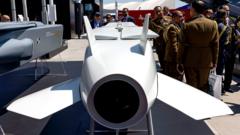
When international allies announce a fresh transfer of long-range cruise missiles, the headlines abroad glow with triumph. Analysts on television studios point at glowing maps, tracing arcs across borders with confident markers. This is the turning point, they declare. This is the capability that changes the math.
And yet, on the ground, the reality is starkly different. To explore the bigger picture, we recommend the excellent article by Reuters.
Consider a hypothetical battery commander named Dmytro, sheltering beneath a damp tarpaulin while a generator hums its monotonous, hollow drone. Dmytro does not lack for sophisticated hardware. What Dmytro lacks is sleep, enough interceptors to guard his skies, and a secure supply of basic 155-millimeter shells to hold the treeline against a relentless infantry wave.
The Mirage of the Silver Bullet
For months, the political discourse surrounding military aid has chased a dangerous addiction. Every few weeks, a new weapon system is anointed as the ultimate savior. First, it was anti-tank guided weapons. Then, mobile artillery units. Then, heavy battle tanks, followed by advanced fighter jets.
Each time, the announcement is met with a collective sigh of relief in Western capitals. The pledge is made. The photo opportunity happens. Politicians shake hands against a backdrop of flags, feeling the warm glow of moral clarity.
Then the logistics begin.
A high-end cruise missile system is not a plug-and-play gadget. It requires specialized maintenance teams, secure satellite data links, specific targeting intelligence, and a vast tail of spare parts. It demands a complex infrastructure that takes months to build and protect.
Meanwhile, the frontline bends.
Ukrainians are brilliant at adaptation. They have jury-rigged Soviet-era jets to carry Western munitions and turned civilian drones into precise instruments of defense. But admiration for their ingenuity should never be mistaken for an excuse to under-deliver on their actual, foundational requirements.
The Perspective from Kyiv
Walk the streets of Kyiv on an overcast Tuesday, and you feel the invisible fracture lines of this war. Sirens wail, not as dramatic cinematic moments, but as a dull, recurring punctuation mark to daily life. People step into subway stations to shelter, checking their phones for impact reports while children finish their math homework on concrete benches.
President Volodymyr Zelenskyy faces an impossible balancing act. He must project unwavering gratitude for every shell and missile offered by foreign partners, while desperately shouting behind closed doors about the structural gaps that threaten his country's survival.
When the United Kingdom or any other partner offers sophisticated strike assets, it is a gesture of genuine solidarity. These weapons matter. They can disrupt command nodes, strike supply depots deep behind enemy lines, and impose a heavy cost on the invader.
They are valuable. But they are not the primary anchor of survival.
The primary anchor is mundane. It is the unglamorous, high-volume production of standard ammunition. It is the steady flow of air defense batteries to shield cities from nightly drone attacks. It is the quiet, grinding work of rotation and rest for exhausted brigades that have been under fire for years.
The Danger of Distraction
When attention shifts entirely to headline-grabbing hardware, a subtle and dangerous narrative takes root. It creates the illusion that victory is just one more delivery away, as if war were an online shopping cart where adding the right premium item completes the order.
Wars are not won by press releases. They are sustained by industrial capacity, raw endurance, and the unyielding human spirit of those who refuse to surrender their homes.
When leaders offer specialized prestige weapons while basic defensive lines starve for routine replenishment, they are treating a complex hemorrhage with a specialized bandage. The gesture is visible, but the wound remains exposed.
Look closer at the map. Look past the range circles of cruise missiles. Look at the logistics hubs, the training camps, the factories churning out steel components under threat of ballistic strikes. That is where the war is actually decided.
The soldiers holding the line do not despise the gifts sent from across the sea. They use them with devastating skill. But every time a high-profile package arrives while basic frontline shortages persist, a quiet frustration settles into the mud.
It is the burden of fighting a historic battle while watching your supporters occasionally chase shadows, missing the solid, heavy earth right beneath your boots.
The sun dips below the horizon, painting the fractured skyline in bruised shades of violet and gray, and somewhere out in the dark, a generator coughs, sputters, and catches again.