The morning air in Morowali smells of sulfur, damp earth, and the faint, constant hum of heavy machinery that never truly sleeps.
I stood there a few years ago, boot heels sinking into crushed red laterite clay, watching a mountain being digested. Dump trucks the size of two-story houses roared past, carrying earth rich with nickel—the invisible gray nutrient powering the digital age in your pocket, your car, and your home. Around me, Indonesian laborers in sweat-soaked high-visibility vests worked side by side with Chinese engineers whose Mandarin commands blended strangely with the humid Southeast Asian breeze.
On paper, this is a masterclass in modern economics. Billions of dollars in foreign direct investment flow across the sea from Beijing. Modern smelting plants rise from coastal jungles at breathtaking speeds. It looks like an unstoppable alliance of capital and resource, two massive nations locking arms to shape the twenty-first-century industrial order.
Look closer.
Listen to the mutterings in the local coffee shops after the shift changes. Smell the tension rising off the docks.
The partnership between China and Indonesia is not a static monument. It is a tightrope walk over a canyon of competing national ambitions. And beneath them, a fierce current is pulling at the rope.
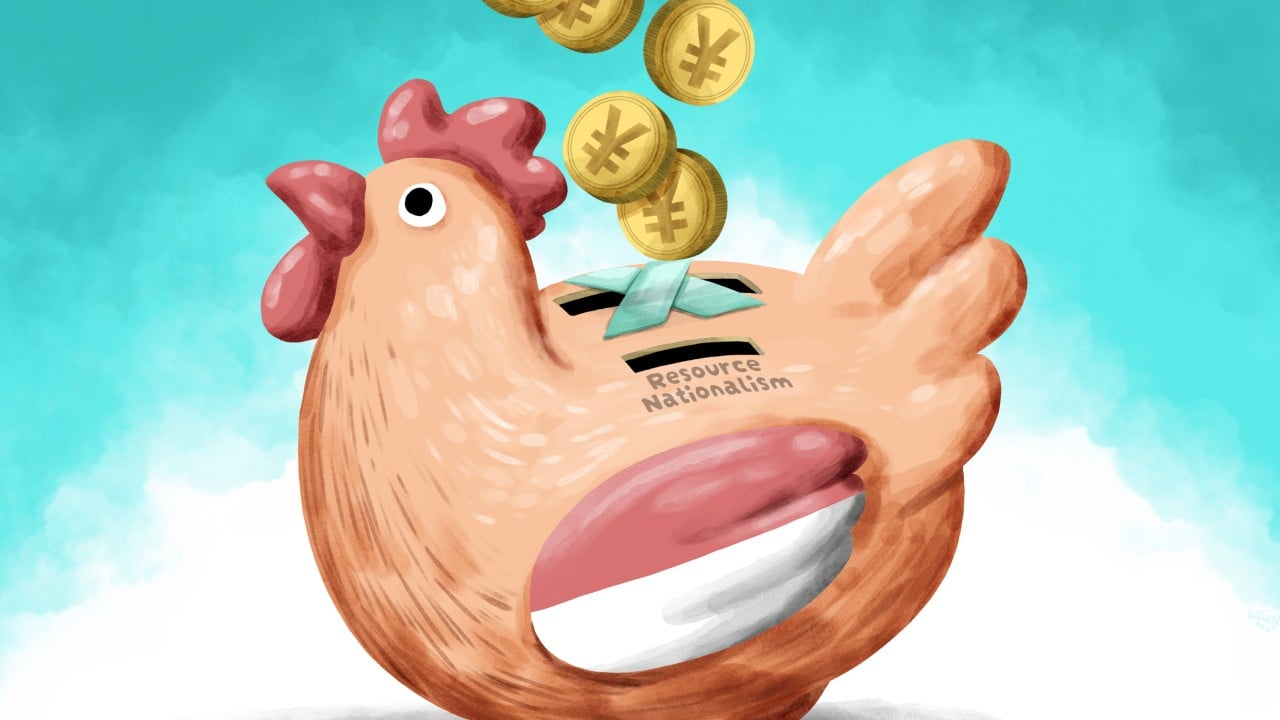
Resource nationalism.
It is a dry, bureaucratic term for a deeply primal emotion. It is the sudden, fierce realization that your home is being mined, burned, and shipped away, and you want to make damn sure you are not left holding an empty plate when the feast is over.
To understand why this relationship is straining under its own weight, you have to rewind a decade.
Imagine you own a vast, magnificent orchard. For generations, outsiders sailed to your shores, bought your raw fruit for pennies, shipped it across the ocean, pressed it into juice in foreign factories, and sold it back to you at a hundred times the price. You stayed poor while they grew rich on the sweetness of your land.
That was Indonesia’s reality with nickel for decades. They were the world's leading exporter of raw ore, shipping millions of tons of unprocessed dirt away in cargo holds. They watched other nations build electric vehicle batteries, tech empires, and wealth out of rocks pulled straight from Indonesian soil.
Then came the pivot.
In 2020, Jakarta slammed the door on raw nickel exports. The message was blunt. If you want our nickel, you do not take it away. You build your factories here. You hire our people. You transfer your technology. You sit at our table, on our terms.
Enter China.
Chinese industrial giants, facing their own tightening environmental regulations and soaring domestic costs at home, looked south. They brought the capital. They brought the proprietary Rotary Kiln-Electric Furnace technology that could efficiently process Indonesia's specific type of low-grade nickel laterite ore. They poured billions into industrial parks on Sulawesi and Halmahera.
It worked. Oh, how it worked.
Indonesia transformed overnight from a humble dirt exporter into the undisputed titan of global stainless steel and battery-grade nickel production. Billions rushed in. GDP ticked upward. Coastal towns transformed into buzzing boomtowns of neon signs, noodle shops, and steel mills belching fire into the tropical night.
Yet, prosperity breeds complexity. And control breeds friction.
Consider the human cost on the ground. When foreign capital arrives at lightning speed, it brings shockwaves. Local communities often find themselves squeezed out of the very land their grandfathers farmed. Environmental degradation hits coastal fishing villages hard as silt chokes the coral reefs and industrial runoff darkens the blue water.
Workers feel it too. The cultural collision between imported technical supervisors and local workforce populations can be abrasive. Language barriers create misunderstandings on high-voltage job sites where a single miscommunication can be fatal. Wages rise, but inflation in the boomtowns climbs faster. The local grocer looks at the price of rice and wonders where the promised miracle went.
Now, zoom out from the smelting plant to the geopolitical chess board.
China needs Indonesia's nickel to feed its mammoth electric vehicle sector, keeping its dominance in the global green transition intact. Indonesia needs China's capital and engineering muscle because building an integrated downstream industry from scratch requires mountains of money and technical wizardry that local firms cannot pull off alone overnight.
They need each other. But need breeds vulnerability.
Indonesia looks at its growing financial entanglement with Beijing with a cautious, calculating eye. Jakarta has a long, fiercely guarded tradition of non-aligned foreign policy. They do not want to trade Dutch or Western colonial exploitation for a new, eastern economic dependency. Every time a new Chinese-funded smelter comes online, policymakers in Jakarta ask a quiet, haunting question: At what point does investment become ownership? At what point does cooperation turn into captivity?
This is where resource nationalism stops being an abstract economics textbook chapter and becomes a living, breathing force.
It manifests in sudden regulatory shifts. It appears in strict local content requirements that demand higher percentages of domestic components in every project. It shows up in labor quotas, environmental crackdowns, and a growing insistence that local companies must hold majority stakes in future joint ventures.
Beijing watches these shifts with anxiety. Chinese investors operate under immense pressure to secure supply chains against a volatile global backdrop. When host governments change the rules mid-game, or when local political rhetoric turns hostile toward foreign operators, corporate boardrooms in Shenzhen and Shanghai sweat. They have billions locked in concrete, furnaces, and ports thousands of miles from home.
Can the ties hold?
The short answer is yes, but under massive strain. They are bound by gravity. The electric vehicle revolution cannot move forward without Indonesian nickel, and Indonesia cannot monetize its subterranean wealth without Chinese industrial partnership. They are chained together in the engine room of the global green transition.
The long answer is much more fragile.
Because nationalism is a potent drug. When local politicians face voters, chanting slogans about reclaiming national sovereignty from foreign powers always wins applause. If global metal prices dip, or if local communities feel the squeeze of inflation and environmental ruin too sharply, the political temptation to tighten the screws on foreign investors will be overwhelming.
We are watching a dangerous, fascinating dance. Two giants stepping carefully, trying not to crush each other's toes, while the rest of the world watches from the sidelines, waiting for the music to stop.
The red clay of Morowali is still being trucked away. The furnaces still roar, turning rock into metal under the tropical sun. But the invisible stakes grow higher with every ton poured.
The question is no longer whether China and Indonesia can build an empire of steel and batteries together.
The question is who will be standing when the fire cools.


..jpg)