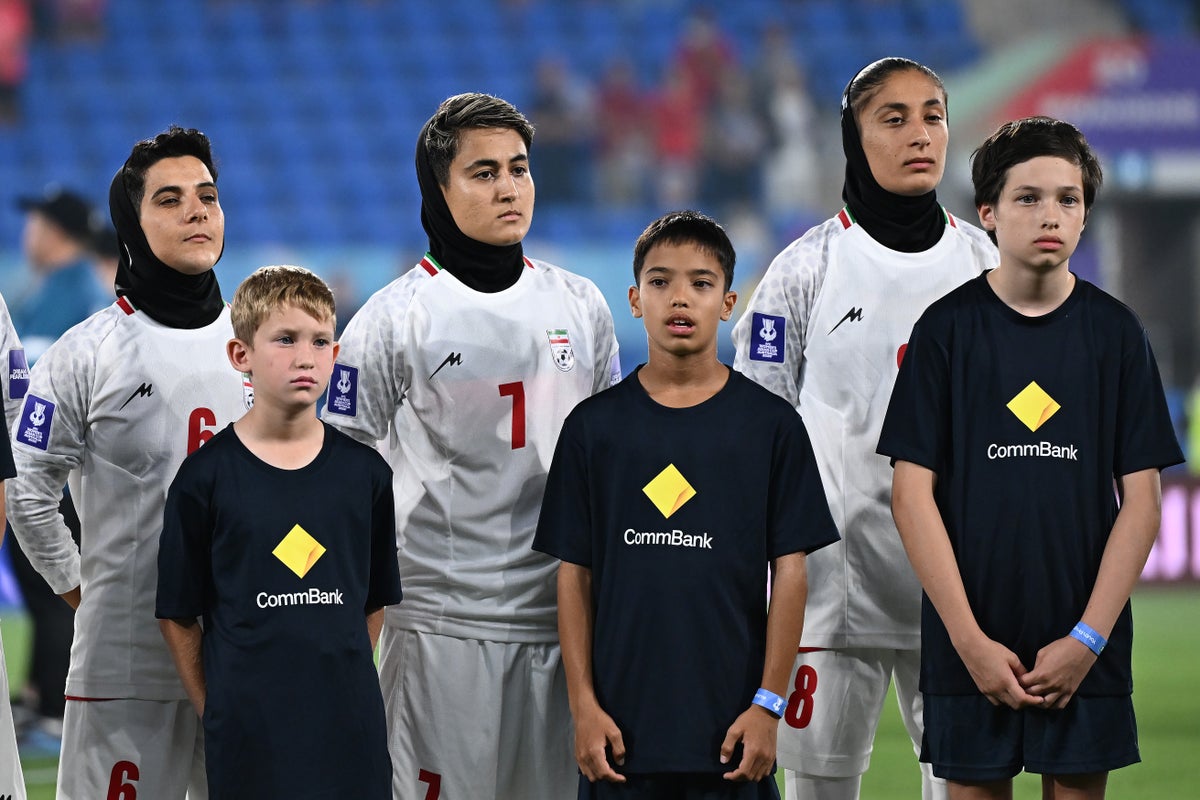
Silence can be louder than a stadium full of cheering fans. When members of Iran's women's national football team stood mute during their national anthem at the Women's Asian Cup in Australia, they knew the exact cost. Back home, state television immediately branded them traitors. Hardliners screamed for punishment. Abroad, supporters rallied outside team hotels chanting slogans for freedom.
Athletes are constantly told to keep politics out of sports. That demand ignores reality. When your government cracks down violently on nationwide protests, staying silent on the pitch becomes impossible. Players like Atefeh Ramezanisadeh and Fatemeh Pasandideh later broke their silence to confirm that refusing to sing was a deliberate choice. They stood with the citizens risking their lives on the streets of Iran.
The Cost of Defiance on the Global Stage
The tournament in Australia quickly turned from a sporting event into a high-stakes geopolitical flashpoint. Ahead of their opening match against South Korea on March 2, 2026, the team's refusal to belt out Sorude Melliye Jomhuriye Eslamiye Iran sent immediate shockwaves through state media networks in Tehran.
While some outside observers initially wondered if the silence was simply an expression of grief following early regional military strikes, the players' subsequent actions and statements clarified the truth. It was an act of raw resistance.
For Ramezanisadeh, keeping her lips sealed carried terrifying implications. She knew the silence could invite severe repercussions upon her return. Yet, her conscience demanded it. Pasandideh echoed that sentiment, noting that doing the bare minimum for compatriots putting their lives on the line was the only choice.
Pressure, Politics, and Protection
Following their elimination from the tournament, the situation escalated into a full-scale diplomatic scramble. Activists, human rights advocates like former player Craig Foster, and ordinary Iranian-Australians crowded stadium exits to block team buses and demand protection for the squad.
International figures weighed in rapidly. High-profile political pressure, including direct conversations between world leaders and Australian officials, thrust the athletes' safety into the spotlight. Australia's Home Affairs Minister Tony Burke ultimately confirmed that several players would be welcomed to stay under humanitarian visas, providing a safe haven away from the threats waiting back home.
Navigating asylum under these conditions isn't simple. Even when safe harbor is offered, the lingering fear for family members left behind means that not every player feels free to accept. The psychological weight of forced separation from loved ones hangs heavily over anyone making such a drastic leap.
Athletes carry immense pressure to perform for flags they sometimes feel do not represent them. These women chose a different path. They proved that courage extends far beyond the final whistle.
Why These Five Iranian Women Footballers Won't Go Back To Iran
This video provides an overview of the events surrounding the Iranian women's football team seeking asylum in Australia after their anthem protest.