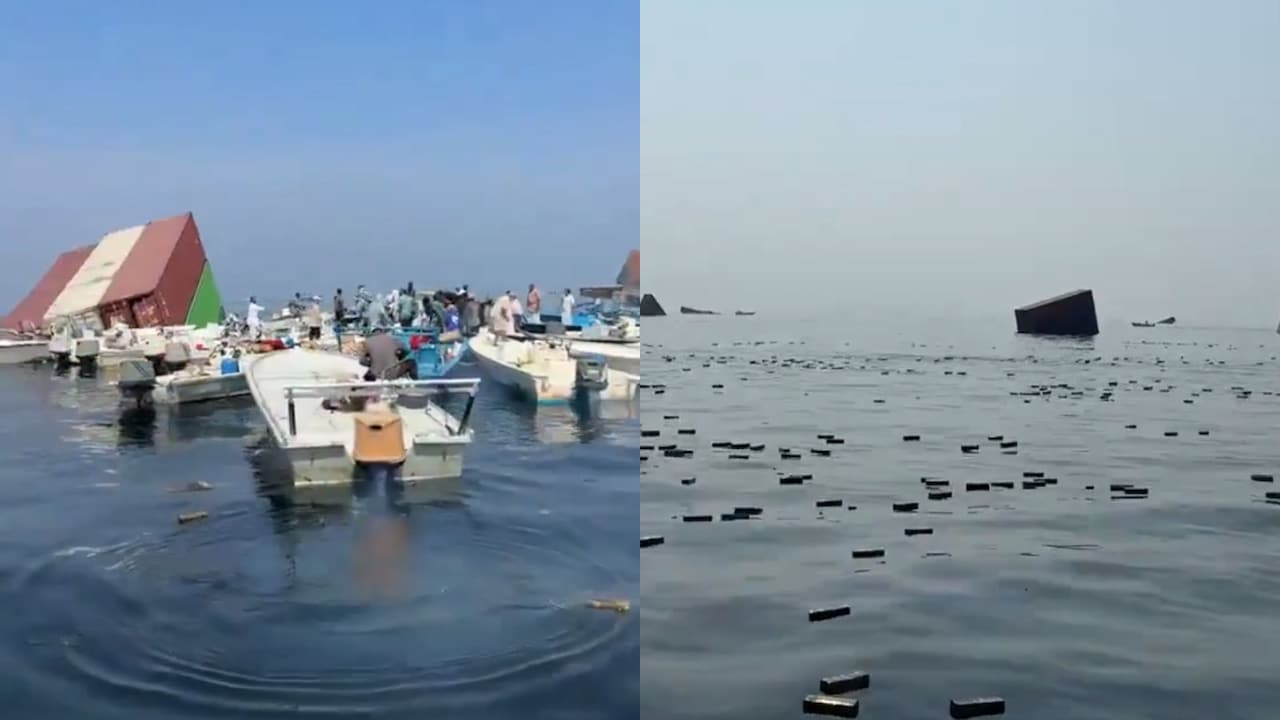
When a cargo ship goes down near coastal waters and viral clips show Iranian fishermen racing after iPhones and perfume bobbing in the surf, most people treat it like a quirky internet oddity. It isn't. It's a collision of geography, desperate economics, and gray-zone maritime trade that plays out around the Persian Gulf and the Strait of Hormuz far more often than headline news suggests.
I've spent years following maritime trade patterns and coastal economics in the Gulf region, and honestly, the clip itself usually tells you very little about what's actually going on. People see small boats darting through choppy water toward floating boxes and assume it's pure lawlessness or a stroke of wild luck. The reality is messier. Smuggling networks, informal trade routes, rough weather, and local livelihoods all collide right at the shoreline.
Searchers looking for a video of Iranian fishermen grabbing iPhones and perfume from a sunken cargo ship usually want two things first: to know if the footage is real and why consumer electronics and luxury fragrances end up floating in the sea in the first place. Short answer? Viral clips showing coastal locals scooping up commercial goods from wrecked or foundering vessels happen repeatedly across Persian Gulf and Gulf of Oman waters, though individual clips online get mislabeled or recycled all the time. Electronics and perfume show up because they are compact, high-value, and often moved outside standard customs channels.
Why iPhones and Perfume End Up in the Water
Think about what makes a cargo item attractive for informal or gray-market shipping across the Gulf. Bulk commodities like grain, steel coils, or industrial chemicals are heavy, cheap per pound, and useless to someone pulling up in a skiff. Smartphones and designer perfume bottles are the exact opposite. You can pack thousands of them into relatively small crates, and even a handful of intact boxes can equal weeks or months of typical coastal income.
High import tariffs, currency pressure, and strict trade restrictions in Iran have long created huge price gaps between domestic markets and neighboring hubs across the water. Where there's a sharp price gap and a narrow body of water, small vessels and informal supply chains follow. When a wooden lenj (traditional Gulf cargo boat) or a small freighter runs into bad weather, engine trouble, overloading, or shallow reefs, the cargo doesn't politely wait for a salvage crane.
Water is brutal on consumer gear, which is another detail casual viewers miss. A sealed glass bottle of perfume can survive a dunking in saltwater without losing its scent, provided the cap stays tight and the label doesn't peel off into sludge. An iPhone? Not so lucky, even with water-resistance ratings. Saltwater corrosion eats away at ports, speakers, and internal components fast once a device takes a beating in waves or sits wet too long. People grab boxes first and sort out what works later.
The Real Economics Behind Coastal Salvage
Watch closely when these videos circulate and you'll usually spot small wooden or fiberglass boats crowding around floating debris or a listing hull. To an outsider, it looks like a free-for-all treasure hunt. For coastal communities along southern Iran, salvage and informal trade have historically been survival strategies rather than hobbyist adventures.
Fishing in parts of the Persian Gulf has grown harder over the years. Warming waters, overfishing, shifting marine habitats, and vessel congestion around busy shipping lanes have squeezed traditional catches. When a boat goes down carrying high-demand consumer goods, dropping a net feels like a distraction compared to hauling in cartons that might actually pay for fuel, repairs, or household bills.
- Speed beats planning: When wind and tide are pushing crates toward rocks or open sea, boats rush in immediately without waiting for authorities or proper recovery gear.
- Condition is a gamble: Wet cardboard falls apart in minutes, meaning items inside get soaked, scratched, or battered against each other before anyone even opens a box.
- Resale happens fast: Goods recovered from the water rarely go through normal retail channels; they move quickly through local markets, informal buyers, or word-of-mouth networks while still usable.
One mistake people make when watching these clips is treating every salvaged item like pure profit. Damaged packaging cuts resale value sharply. Electronics exposed to salt spray can die days later. Local buyers know that, so prices for "sea-recovered" goods reflect the risk.
What Viral Clips Get Wrong About Maritime Incidents
Social media loves a neat story. A dramatic video pops up, a caption claims fishermen hit the jackpot with brand-new iPhones and luxury perfume from a sunken ship, and thousands of shares later, everyone treats the caption as gospel.
In practice, context gets flattened constantly. A ship might be grounded or taking on water rather than completely sunk on the seabed. A clip filmed years earlier in one spot can get reposted during a completely different weather event or port incident. Sometimes the cargo wasn't even headed to a big-box store—it was already part of an off-the-books shipment trying to slip past checkpoints or dodge duties.
International maritime organizations and regional shipping trackers have long noted how complex Gulf shipping is. One of the world's busiest oil corridors sits right next to dense coastal towns, small ports, and active smuggling routes. When enforcement tightens on land or at major entry points, movement shifts to smaller boats and trickier routes, raising the odds of accidents when seas kick up.
Salvaging floating cargo looks thrilling on a phone screen, yet the same choppy water that pushes crates toward a boat can easily swamp a small hull or smash it against a wreck.
There's also a safety side that rarely makes the punchy captions. Colliding with submerged debris, getting tangled in floating lines, capsizing in heavy swell, or running afoul of coastal patrols are real hazards. Risky doesn't stop people when the perceived payoff is high, especially when economic options feel tight.
How to Read Viral Maritime Footage Without Getting Fooled
If you come across a video of Iranian fishermen racing after floating cargo—or any similar viral clip from coastal waters—you don't need to be a maritime lawyer to separate solid observation from hype.
- Check the vessel and water conditions: Look at whether the boat is sitting low in the water, what kind of craft the locals are using, and how rough the surf looks. Calm water and small skiffs tell a very different story from heavy swells and a listing freighter.
- Look at the packaging, not just the headline: Waterproofing on commercial shipping varies wildly. Shrink-wrapped pallets or hard plastic cases hold up far better than plain cardboard cartons floating loose in saltwater.
- Question recycled labels: If a clip lacks clear dates, location markers, or verifiable reporting, treat the specific vessel name and cargo story with skepticism until corroborated.
- Separate the spectacle from the system: Even if a single clip turns out to be old or misattributed, the underlying pattern—high-margin consumer goods moving through risky Gulf waters and coastal locals pouncing on spilled cargo—is very real.
Next time a clip like this hits your feed, skip the knee-jerk reaction and look at the bigger picture. Behind the chaos of small boats chasing floating boxes lies a story about trade friction, fragile coastal livelihoods, and how easily global consumer goods end up in the wrong place at the wrong time.