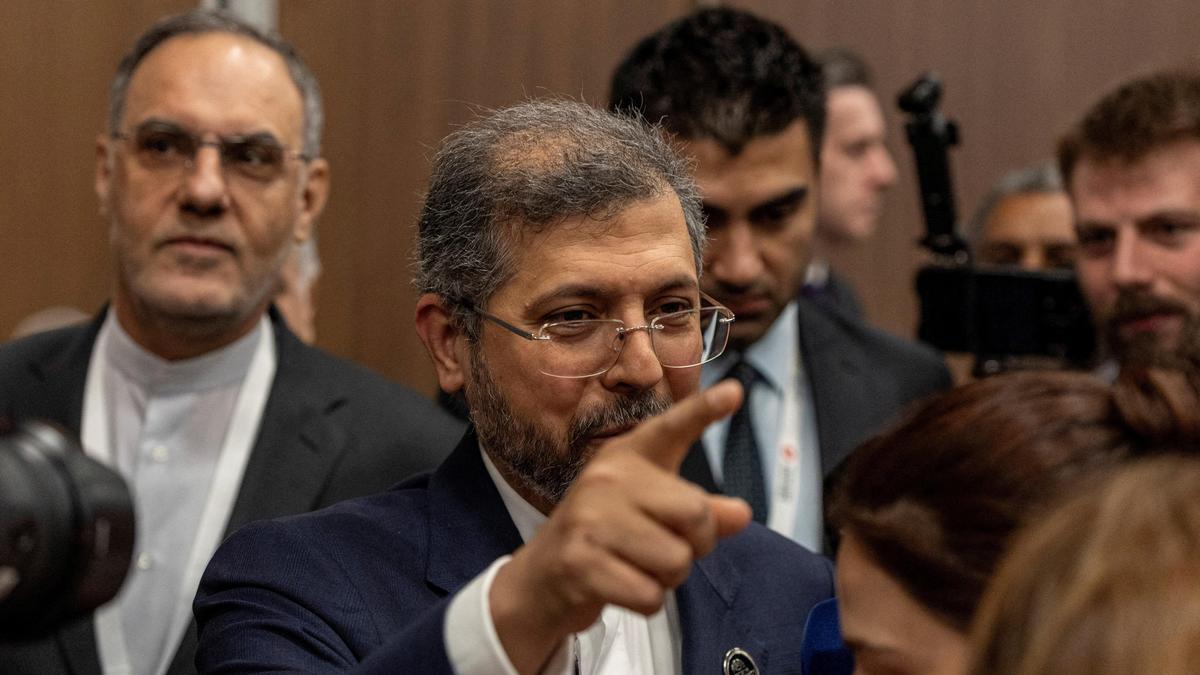
Don't expect a breakthrough in the Iran-U.S. talks anytime soon. Despite the constant chatter about back-channel negotiations and regional stability, the reality on the ground is far less optimistic. Iran's Deputy Foreign Minister Majid Takht-Ravanchi recently confirmed what many analysts already suspected. There's no date on the calendar for a new round of talks. We aren't just looking at a scheduling conflict. This is a fundamental breakdown in trust and timing that makes a quick resolution impossible.
The diplomatic machinery between Tehran and Washington hasn't just slowed down. It's essentially stalled. While the world watches the Middle East teeter on the edge of wider conflict, the primary players can't even agree on a room to sit in. You might hear rumors of progress, but the official word remains clear. Nothing is scheduled. Nothing is imminent.
The Disconnect Between Rhetoric and Reality
Washington keeps saying the door to diplomacy is open. Tehran claims they’re ready if the U.S. shows "goodwill." It’s a tired dance we’ve seen for years. If everyone is so ready to talk, why aren't they talking? Honestly, it's because the stakes have shifted. The 2015 nuclear deal, or the JCPOA, is a ghost of its former self. Trying to revive it now is like trying to fix a totaled car with duct tape and wishful thinking.
The U.S. remains preoccupied with domestic politics and the looming pressure of maintaining regional alliances. Meanwhile, Iran has moved its nuclear program forward significantly. They've increased their uranium enrichment levels and restricted international oversight. This isn't just a bargaining chip anymore. It's a new reality. When Takht-Ravanchi says there’s no date, he’s acknowledging that the old framework for discussion no longer fits the current situation.
Why Regional Tensions Changed the Math
You can't talk about Iran and the U.S. in a vacuum. The Gaza conflict changed everything. It pulled the focus away from nuclear non-proliferation and shoved regional security to the front of the line. The U.S. is tied up in supporting Israel and managing maritime security in the Red Sea. Iran is managing its "Axis of Resistance."
These aren't side issues. They are the main event. When the U.S. asks for talks, they want to discuss drones and proxies. When Iran talks about negotiations, they want sanctions relief and a return to the nuclear status quo. Those two agendas aren't just different. They're diametrically opposed.
Internal Pressures in Tehran
We often forget that the Iranian government isn't a monolith. There are massive internal pressures at play. The leadership in Tehran has to balance a struggling economy against the need to look strong to their base. Giving in to U.S. demands without massive, immediate sanctions relief would be seen as a weakness they can't afford.
Takht-Ravanchi’s role as a veteran diplomat is to manage expectations. By stating there is no date set, he's signaling to the domestic audience that Iran isn't desperate. They aren't going to go to the table with their hat in hand. It's a power play. It’s about maintaining leverage. If they agree to a date without pre-conditions, they’ve already lost the first round of the fight.
The Problem with Interim Agreements
People keep floating the idea of a "less for less" deal. Basically, Iran slows down enrichment, and the U.S. releases some frozen funds. It sounds good on paper. In practice? It’s a nightmare. Neither side trusts the other to keep their end of the bargain for more than a week.
The U.S. is worried that any money sent to Tehran will immediately fund regional militias. Iran is worried that any freeze in their nuclear program will become permanent without the U.S. ever fully lifting the oil embargo. It's a classic deadlock. Without a clear date for talks, even these small-scale "understandings" remain unofficial and incredibly fragile.
The Election Factor
Let’s be real. Nobody wants to sign a major deal right before an election cycle. The Biden administration knows that any concession to Iran will be weaponized by political opponents. On the flip side, the Iranian leadership is wary of making a deal with an administration that might be gone in a year or two. They remember 2018. They remember the U.S. pulling out of a signed agreement.
Why would you spend political capital on a deal that could be shredded by the next guy in the Oval Office? You wouldn't. So, you wait. You stall. You say there's "no date set." It's the safest move for both sides, even if it's the most dangerous move for global security.
Economic Realities vs Diplomatic Hopes
Iran's economy is hurting, but it hasn't collapsed. They’ve found ways to sell oil, mostly to China, through what people call the "ghost fleet." This revenue stream gives them enough breathing room to say no to Washington. If they were truly starving for cash, we’d see a date on the calendar. The fact that we don’t suggests they feel they can hold out longer than the U.S. thinks.
This is a massive miscalculation by Western analysts who thought sanctions would force Iran to its knees within months. It’s been years. They’re still here. They’re still enriching. And they’re still refusing to set a date.
What Actually Happens Next
If you’re waiting for a grand signing ceremony, stop. It’s not coming. Instead, we’re going to see more "de-escalation" through quiet, indirect channels. Think Swiss diplomats carrying messages or meetings in Oman that everyone denies happened.
The "no date" statement is a shield. It allows both countries to keep talking behind the scenes without the public pressure of a formal summit. This is how modern diplomacy actually works. It's messy, it's slow, and it's mostly hidden from the news cycle.
If you want to track the real progress, don't look for a meeting date. Look for these signs instead:
- Changes in the volume of Iranian oil exports.
- A reduction in the frequency of attacks by regional proxies.
- The release of dual-national prisoners.
- Shifts in the IAEA’s access to Iranian nuclear sites.
These are the real metrics. A formal meeting is just the final bow on a package that hasn't even been wrapped yet. Until these indicators move, the diplomatic calendar will remain empty. Tehran isn't in a hurry, and Washington is too distracted to push. We are stuck in a holding pattern where the only certain thing is the lack of a schedule. Expect the silence to continue until the political cost of doing nothing finally outweighs the risk of sitting down. That hasn't happened yet. Not even close.