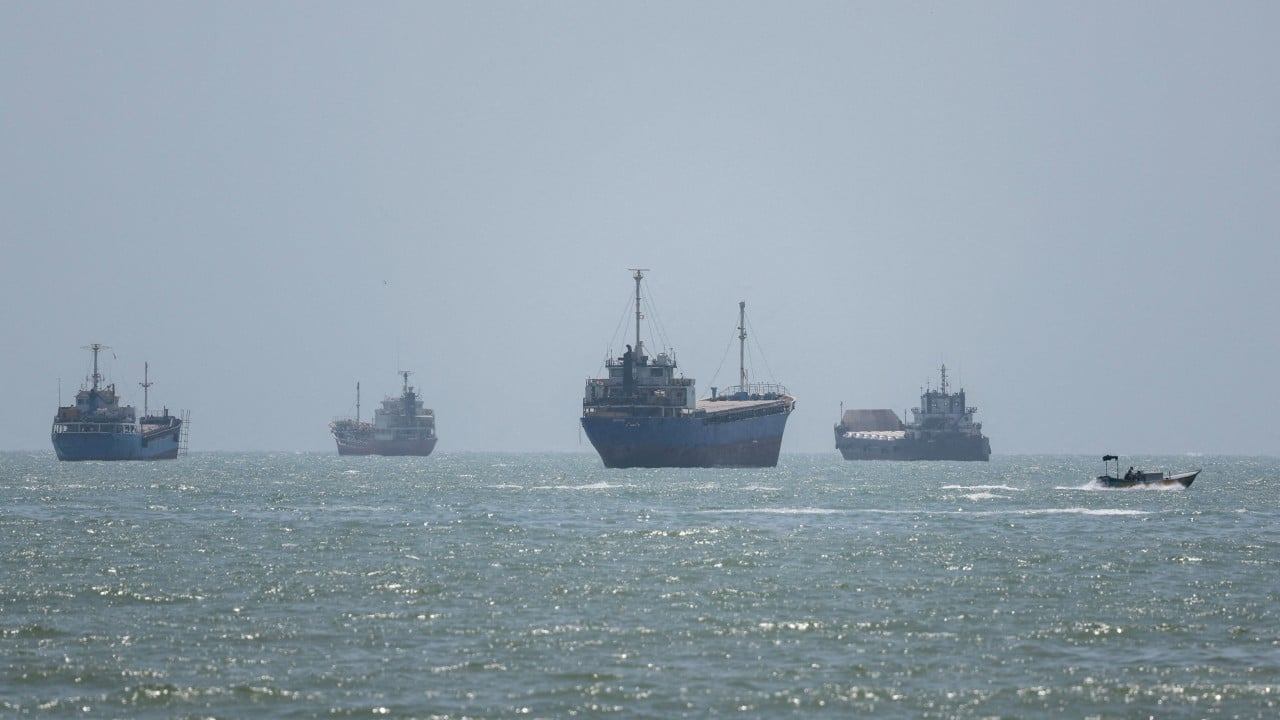
You can sign all the bilateral maritime treaties you want, but ships aren't moving through the Strait of Hormuz until Washington changes its tune. Iran and Oman recently locked down a critical understanding regarding regional waters and transit revenue sharing. Sounds like a breakthrough, right? Don't unpack your celebratory champagne just yet.
The elite Islamic Revolutionary Guard Corps announced that terms are set. Tehran and Muscat spent weeks hammering out maps for temporary shipping corridors and revenue allocation. Yet, Iranian officials are blunt about the catch: the corridor stays shut until the United States complies with prior understandings, drops its naval blockade, and lifts crushing economic penalties.
The Real Sticking Point Behind the Omani Talks
If you look past the diplomatic handshakes, this agreement is a classic exercise in regional positioning. The Strait of Hormuz handles roughly a fifth of global oil and liquefied natural gas flows. When the waterway effectively locked down following the outbreak of war in February, energy markets panicked.
Oman wants a functional corridor to stabilize regional security and keep trade flowing. Iran wants financial relief and validation of its sovereign oversight. Spokesman Hossein Mohebbi made it clear that while bilateral terms between Tehran and Muscat are settled, Washington's active opposition keeps the bottleneck frozen.
To make matters worse, Washington isn't standing idle. The U.S. Treasury rolled out harsh measures under "Operation Economic Outcast," warning international shipping companies that complying with Iranian transit rules or paying service fees to bodies like the Persian Gulf Strait Authority could trigger severe secondary penalties.
The Impossible Choice Facing Shipowners
Maritime operators are caught in a crossfire. If you try to use the northern route under Iranian and Omani terms, you risk running afoul of aggressive U.S. sanctions. If you lean on U.S.-backed navigation paths, you face the very real threat of Iranian military action or blacklisting.
Iran recently published a blacklist targeting dozens of vessels suspected of bypassing its blockade. Companies are scrambling to audit their supply chains. Compliance officers aren't just looking at cargo origin anymore. They are analyzing whether a simple digital response to an Iranian port authority's information demand will invite a federal penalty.
What This Means for Energy Markets
Global crude prices dropped briefly on rumors of the Omani-brokered corridor, but that dip ignores political reality. Traders love a headline about peace talks, but logistics depend on reality on the water. Mines still need clearing, security guarantees remain weak, and Washington's secondary sanctions have teeth.
Until the White House and Tehran bridge the massive gap over sanction relief and regional security architecture, localized deals between neighbors only solve half the puzzle. Keep a close eye on compliance alerts from the Treasury Department rather than diplomatic declarations in Muscat. That is where the actual bottlenecks live.