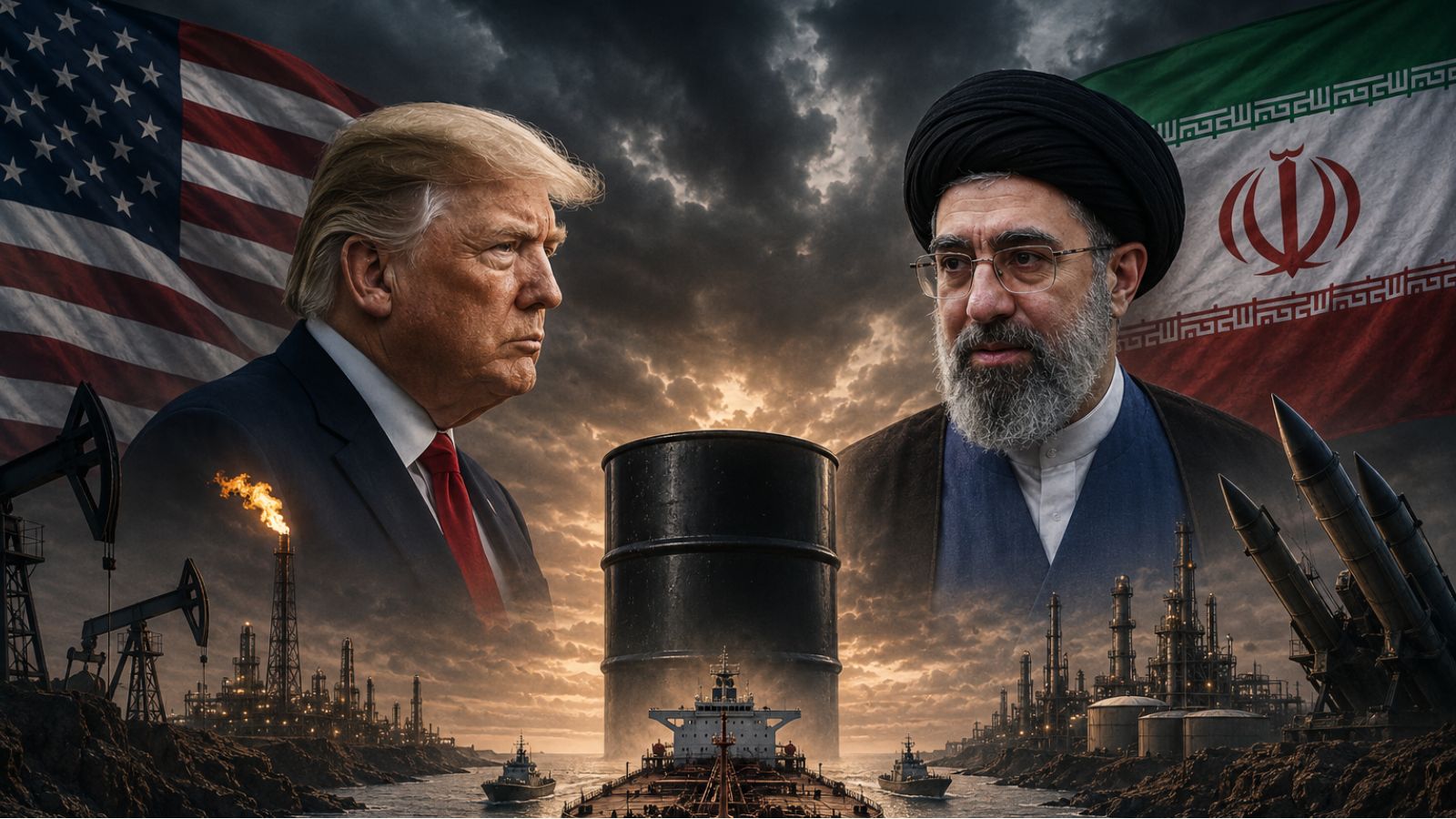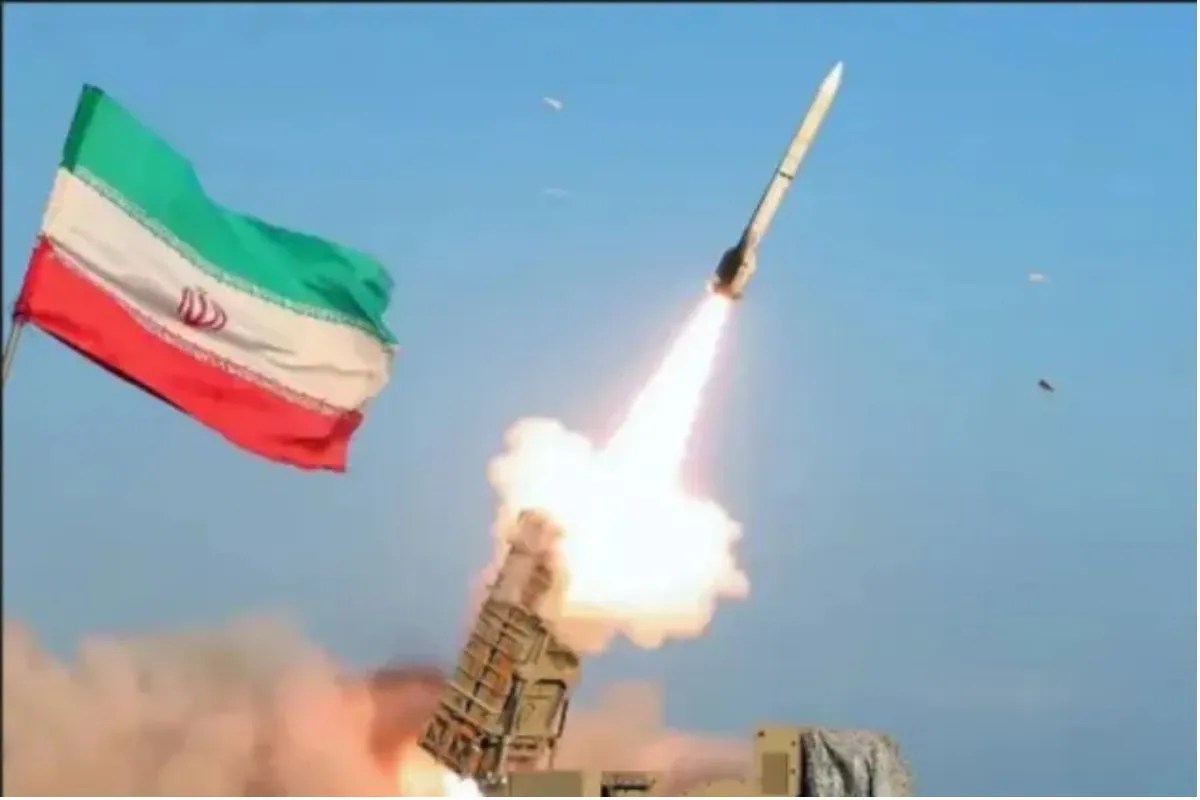
Middle Eastern geopolitics just took another sharp and volatile turn. The sky over Kuwait lit up with anti-air fire as the Iran Kuwait conflict spilled directly into Gulf state territory. If you've been tracking Washington and Tehran, you know things were quiet for a brief month-long lull. That silence shattered instantly when the U.S. military launched fresh aerial bombardments against Islamic Revolutionary Guard Corps targets. Iran didn't wait around to respond. Tehran retaliated by unleashing a barrage of missiles and kamikaze drones directly at American military installations stationed inside Kuwait.
Kuwaiti authorities didn't sugarcoat the situation. Early Thursday morning, air raid sirens wailed across residential and strategic zones. The General Staff of the Kuwaiti Armed Forces took to social media platform X to confirm that local air defense batteries were actively engaging and intercepting hostile aerial targets. Loud explosions rattled windows across the capital and near key defense installations like the Ahmad al-Jaber and Ali Al Salem air bases. Citizens were ordered to follow strict safety protocols as debris fell from intercepted drones.
Why is Kuwait suddenly taking the brunt of this escalation? The answer lies in the expanding footprint of the ongoing U.S.-Iran proxy and direct confrontations. Following American strikes on Iranian rocket launchers near the strategic Strait of Hormuz—where Washington claimed Tehran planned to seed naval mines—Iran adopted a far more aggressive doctrine. Iranian military spokespersons explicitly stated that restraint toward neighboring Gulf states hosting foreign military assets was officially off the table.
Tehran's strategy targets regional countries that accommodate U.S. forces, aiming to pressure Washington by proxy. Kuwait, given its close security partnership with the United States, finds itself caught directly in the crosshairs of this widening theater. Iranian state media outlets claimed the overnight volleys successfully targeted communications hubs and logistics hangars utilized by American personnel, though local officials emphasize that defense grids neutralized the vast majority of inbound threats before they could achieve catastrophic impact.
The economic and geopolitical shockwaves extend far beyond the immediate blast zones. Australia and other international partners have expressed extreme alarm over threats to commercial shipping lanes in the Strait of Hormuz. Any prolonged closure or active militarization of this critical global energy corridor threatens international oil supply chains, sending immediate jitters through global markets. Neighboring Gulf monarchies like Bahrain and Jordan have similarly reported activating high-alert defense postures following direct threats issued from Tehran.
The window for diplomatic cooling is narrowing fast. With Washington signaling readiness for additional punitive actions and regional capitals forced to keep their air defense networks primed on a hair-trigger, the conflict demonstrates just how fragile stability remains in the Gulf.