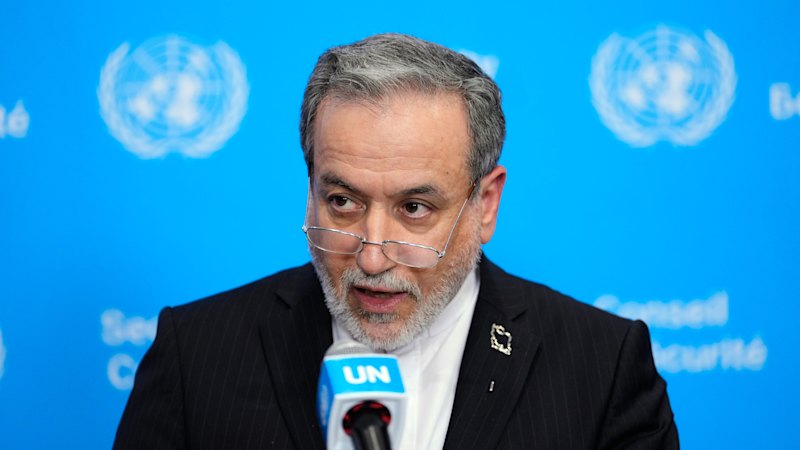
Geopolitical standoffs rarely end with neat signatures on pristine documents. Right now, the clash between Washington and Tehran is playing out in real-time through broken agreements, conflicting statements, and a stubborn refusal on both sides to back down. Donald Trump recently dismissed a proposed framework and declared that the United States doesn't need a deal. Yet Iranian officials keep circling back to negotiations.
If you look past the bluster, a complex game of economic survival and strategic positioning explains why Tehran refuses to drop the diplomatic track.
The Reality Behind the Stalled Talks
The core issue isn't just about a single piece of paper or a rejected proposal. It’s about leverage in the Strait of Hormuz, frozen financial assets, and a nuclear program that neither side wants to yield on. When Washington claims it holds total control of the shipping lanes, tanker traffic tells a different story. Ships continue facing hazards, insurance rates soar, and global energy markets react to every perceived escalation.
Iran’s insistence on a diplomatic solution isn't born out of sudden goodwill. It’s a calculated response to severe economic strain. Years of sanctions, combined with the immense costs of the recent conflict, have left the national economy battered. Tehran needs relief. But they want it on terms that preserve domestic political stability and avoid total capitulation.
Why Trump Walked Away from the Table
The Trump administration's rejection of the latest terms comes down to maximalist demands. Washington wants absolute victories—including significant restrictions on enriched uranium and an end to regional proxy activities. From the White House's perspective, settling for an incomplete agreement looks like political weakness, especially after a grueling political cycle at home.
Senior officials in Washington remain deeply divided. While some voices hint at a desire to exit prolonged foreign entanglements, others push for a hardline stance that leaves little room for compromise. When Trump says his administration doesn't need a deal, he's signaling to domestic voters that the U.S. won't bend to Iranian conditions.
Tehran's Seven Conditions and the Middleman Dynamic
Iran has laid out hard conditions for reopening critical shipping routes, including the lifting of sanctions, the release of billions in frozen assets, and an end to naval blockades. Because direct communication channels are practically non-existent, regional mediators like Qatar carry the heavy burden of passing messages back and forth.
Gulf neighbors are sweating. Countries like Saudi Arabia and Qatar know that any full-scale resumption of hostilities lands directly on their doorstep. They are actively lobbying Washington to keep doors open for dialogue, fearing that a total breakdown in talks will trigger infrastructure attacks and energy shocks across the region.
What Comes Next for the Region
The current environment is a dangerous "no war, no peace" scenario. Major combat operations have cooled, but low-level friction persists daily. Both governments are trying to project strength while quietly testing the limits of each other's patience.
Diplomacy won't return overnight. Mutual distrust runs too deep, and ideological divides are too rigid. Yet, economic gravity will eventually force both capitals to find a face-saving mechanism to talk. Keep an eye on backchannel communications through neutral intermediaries rather than official press conferences. That is where any real breakthrough will quietly take shape.