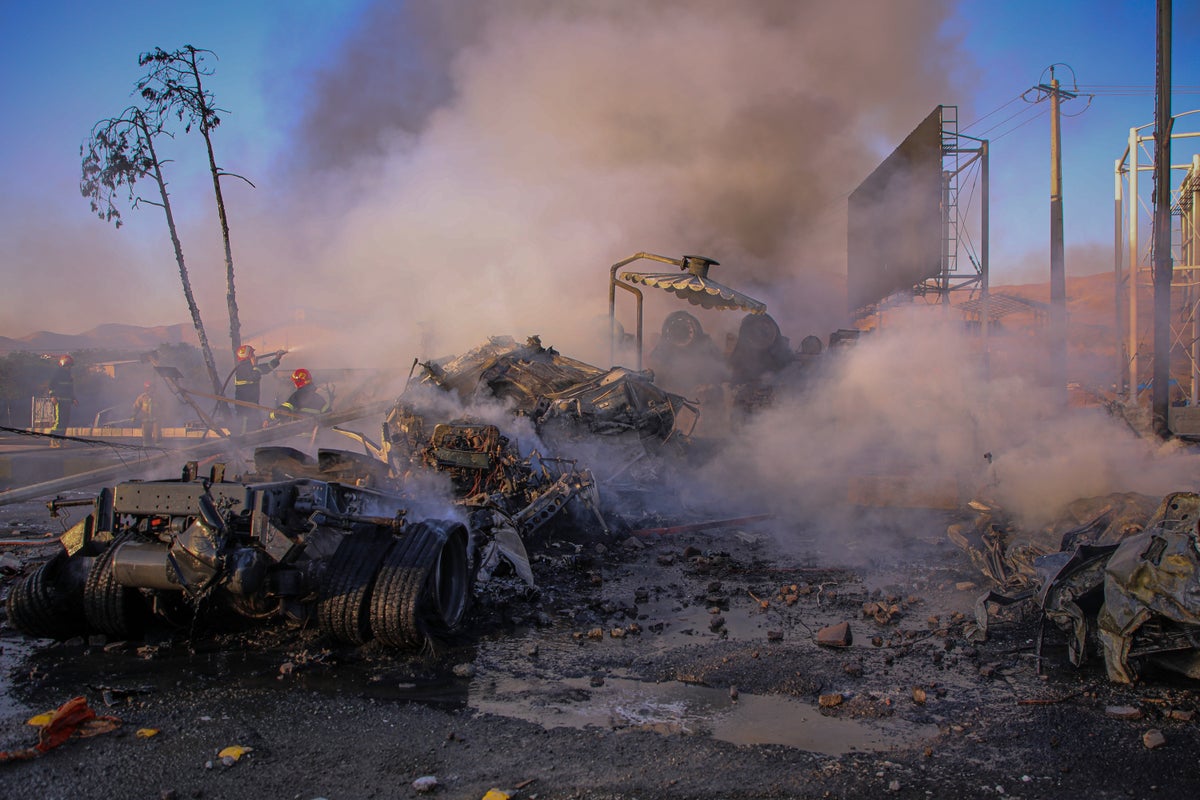
Eleven people died on the highway. Seven more ended up in hospital beds with severe burns and trauma. Another massive fuel tanker collision tore through western Iran, turning a routine stretch of road into a fireball. If you've followed regional transport news for long, this tragic headline feels sickeningly familiar.
The latest catastrophe struck on the intercity route connecting Sanandaj in Kurdestan province with Hamedan. According to local reports from state media and emergency officials like Babak Hodaei of Kurdestan University of Medical Sciences, a heavy fuel tanker suffered a catastrophic braking failure. The truck barreled out of control, smashed into adjacent vehicles near a traffic checkpoint, and triggered an instantaneous detonation. The resulting inferno consumed nearby cars and buses, leaving rescue crews scrambling to pull victims from the wreckage. Also making news in this space: Why Odesa Trying to Ban Russian Language Changes Everything You Know About Identity.
The Grim Pattern on Iranian Roads
Why do these highway explosions happen with such terrifying regularity?
To understand this disaster, you have to look past the immediate spark. Official statistics show that road accidents claim over 17,000 lives every year in Iran. That's a staggering toll. Transport safety experts point to a toxic mix of aging vehicle fleets, scarce spare parts due to long-standing international sanctions, and overloaded commercial trucks pushing past mechanical limits. More details regarding the matter are explored by Al Jazeera.
When a massive rig loses its brakes on a mountain pass or an intercity transit corridor, the physics are unforgiving. Tankers carrying thousands of gallons of volatile fuel turn into mobile bombs.
This isn't an isolated anomaly. Back in 2018, a nearly identical disaster unfolded near Sanandaj when a fuel tanker slammed into a passenger bus, killing 15 people. Years pass, infrastructure upgrades stall, and the body counts mount.
What Happens After the Smoke Clears
Emergency medical teams rushed the seven surviving casualties to facilities like Kowsar Hospital in Sanandaj. Local authorities launched investigations into the transport company and the truck's maintenance history. Yet, survivors and local families know that institutional accountability rarely translates into systemic change.
Drivers face immense economic pressure to keep aging trucks on the road despite failing components. Maintenance shortcuts become a matter of survival when inflation and parts shortages bite hard. Until commercial transport regulations are strictly enforced and fleet modernization becomes a national priority, these highways will remain high-risk zones for everyday commuters.
If you are traveling through western Iran's transit corridors, exercise extreme caution around heavy commercial haulers, particularly on steep grades where brake failure risks spike.