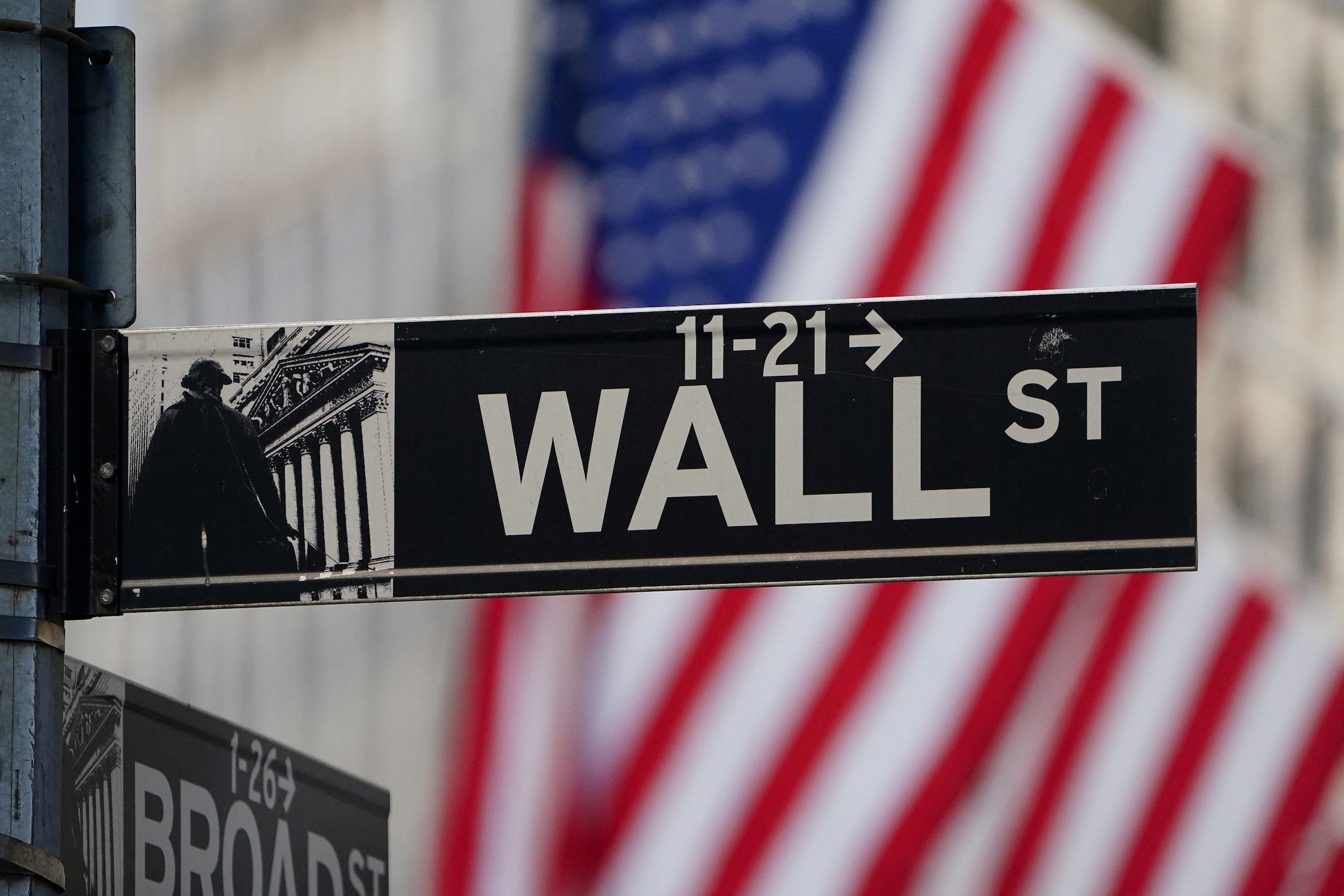
Don't let the green numbers on your screen fool you into thinking the world's suddenly a safer place. Wall Street is currently breathing a sigh of relief because President Donald Trump extended the ceasefire with Iran, sending Dow, S&P 500, and Nasdaq futures climbing. It's a classic "kick the can down the road" rally. Investors hate uncertainty more than they hate bad news, and for today, the immediate threat of a full-scale regional war has been pushed back.
Markets were on edge as the previous two-week truce approached its midnight expiration. The extension, announced late Tuesday, gave the S&P 500 a much-needed boost after two consecutive days of losses. Nasdaq futures lead the pack with a 0.78% gain, while the Dow and S&P 500 are up roughly 0.6% in pre-market trading. But if you look under the hood, the situation is anything but settled.
The Geopolitical Stalemate Driving Your Portfolio
It's tempting to think a ceasefire means peace. It doesn't. While Trump agreed to hold off on fresh strikes, the U.S. is keeping its naval blockade on Iranian ports tightly locked. Iran is refusing to show up at the negotiating table until that blockade is lifted. We’re in a standoff where neither side wants to blink, but neither wants to pull the trigger either.
For traders, this creates a weird "no-man's land" for pricing. You've got oil holding steady near $100 a barrel, which is high enough to hurt consumers but low enough to prevent a total economic meltdown. Brent crude is hovering around $95, and WTI is trading just below $92. The Strait of Hormuz remains at a virtual standstill, which means the global supply of LNG and oil is still severely restricted.
Why the Nasdaq is Leading the Rally
Tech stocks usually take the biggest hit when geopolitical tensions spike because investors flee to "safe havens" like gold or bonds. When that tension eases—even slightly—the Nasdaq 100 often sees the sharpest rebound.
- Tesla Earnings: Everyone is watching Tesla today. The stock is a massive weight in both the S&P 500 and the Nasdaq, and its earnings report after the bell will likely overshadow the Iran news by tomorrow morning.
- Volatility Levels: Bank of America strategists recently noted that Nasdaq-100 volatility has surpassed dot-com era levels. That means these 0.7% swings are basically just noise in the current environment.
What the Headlines Aren't Telling You
The media is focusing on the "ceasefire," but the real story is the supply chain. One billion barrels. That's the estimated loss of oil production if this conflict continues through the year, according to Vitol CEO Russell Hardy. We’ve already lost between 600 and 700 million barrels.
If you're wondering why your gas prices are still through the roof despite the "good news," that's why. The U.S. boarded an Iranian tanker in the Indian Ocean just yesterday, and Iran reportedly seized two ships in the Strait today. This isn't a peace treaty; it's a pause in a boxing match where both fighters are still wearing their gloves.
The Fed's Impossible Choice
The European Central Bank already cut its growth projections and raised inflation forecasts because of the "2026 Iran war" energy shock. The Fed is in the same boat. They want to lower rates to keep the economy humming, but they can't do that if energy prices are driving inflation back up. If the maritime blockade persists, we’re looking at a stagflation scenario—low growth and high prices—that no one's portfolio is prepared for.
Strategic Moves for the Current Market
Buying the dip feels good until the dip keeps dipping. If you're looking at your brokerage account today, don't get greedy. This rally is built on a temporary political decision, not a fundamental shift in the global economy.
- Watch the Energy Sector: Industrials and energy companies have been outperforming the broader market all year. Even with a ceasefire, the supply of oil is tight.
- Quality Over Hype: High-quality value stocks with strong cash flow are trouncing the S&P 500 right now. Look at companies with at least 10 years of consistent dividend growth. They tend to weather these geopolitical storms much better than speculative tech.
- Keep Cash Ready: The 10-year Treasury yield is sitting around 4.3%. That’s a decent return for doing absolutely nothing while you wait for a clearer signal from the Middle East.
The market is currently betting on diplomacy, but diplomacy in 2026 is a messy, unpredictable business. Trump’s "maximum pressure" campaign is back in full swing, and the blockade isn't going anywhere. Expect more volatility as we head toward the weekend.
Check your stops. Don't overleverage. And maybe keep an eye on those Tesla numbers—they might matter more for your net worth than a truce that could vanish with a single tweet or a stray missile.