A tragic and preventable death occurred when an 11-year-old boy died from rabies after an encounter with a bat, despite showing no visible wounds or bite marks. This tragedy exposes a dangerous gap in public understanding of viral transmission. Most people associate rabies with foaming, aggressive stray dogs or deep, bleeding lacerations. The reality of wildlife strains, particularly those carried by bats, is far more insidious.
The microscopic nature of bat teeth means a transmission event can occur during sleep without waking the victim, leaving behind marks that vanish within hours. Because public health campaigns heavily emphasize treating visible animal bites, families often miss the critical window for post-exposure prophylaxis. This systemic blind spot transforms a completely preventable infection into a swift, irreversible death sentence.
The Illusion of the Harmless Encounter
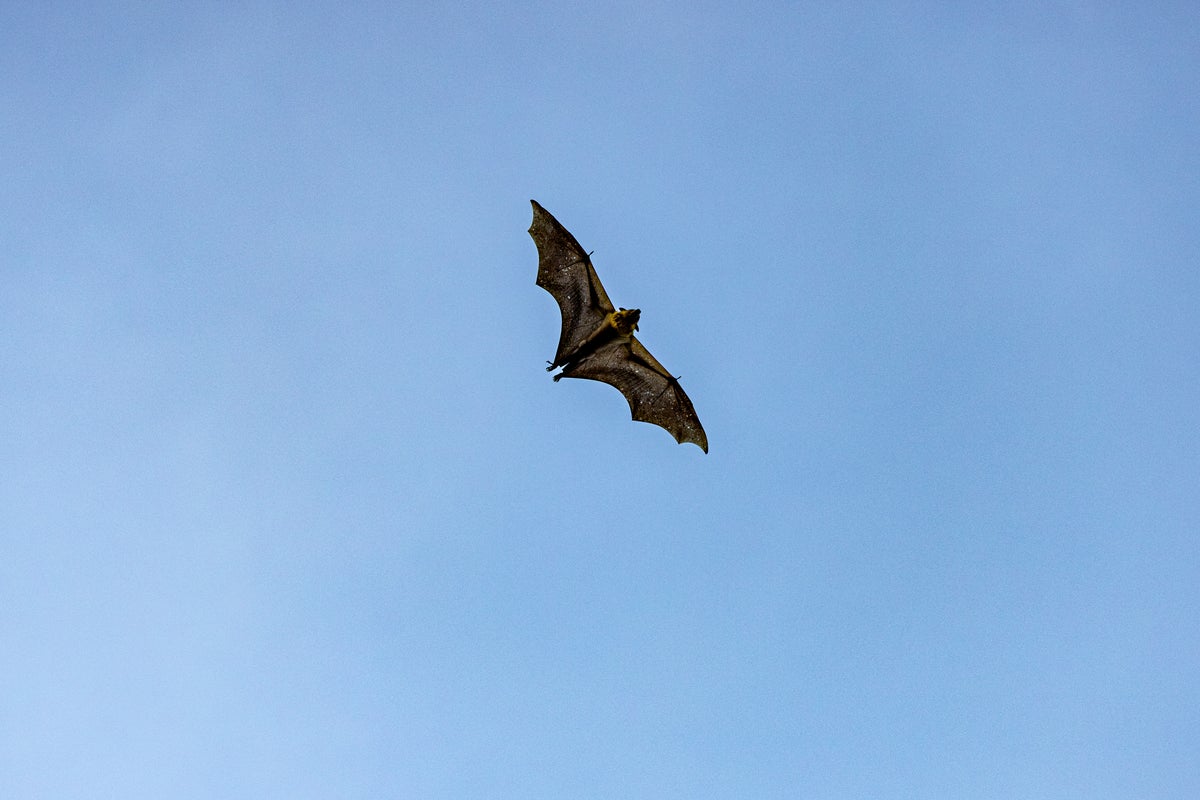
The primary driver of these rare but catastrophic outcomes is a fundamental misunderstanding of bat anatomy. Unlike canines or felines, which inflict obvious trauma during an attack, North American bats possess teeth and claws that are incredibly sharp and minute.
When a bat enters a home, it often seeks out dark, quiet spaces, occasionally ending up in bedrooms. If a bat makes contact with a sleeping individual, the scratch or bite can be entirely imperceptible. The victim may wake up with a slight itch or no sensation at all.
Standard medical advice dictates washing wounds and seeking immediate attention after an animal bite. But how do you seek treatment for a wound you cannot see?
This lack of physical evidence breeds a false sense of security. Parents see no blood, no punctures, and no scratches on their child, leading them to assume no danger exists. By the time the virus establishes a foothold in the central nervous system, the opportunity for medical intervention has completely evaporated.
The Hidden Path to the Brain
To understand why early intervention is the only viable defense, one must look at the unique mechanism of the rabies virus. It is a neurotropic virus, meaning it targets nervous tissue rather than traveling through the bloodstream.
Once deposited into muscle tissue through saliva, the virus binds to nicotinic acetylcholine receptors at the neuromuscular junction. It then begins a slow, deliberate journey up the peripheral nerves toward the spinal cord and brain. This movement is retrograde, traveling along the axon at a rate of approximately 8 to 20 millimeters per day.
During this incubation phase, which can last anywhere from weeks to months, the patient remains entirely asymptomatic. The immune system fails to detect the threat because the virus is effectively hidden inside the nervous system, shielded from circulating antibodies.
Once the virus reaches the central nervous system, it replicates rapidly within neurons, causing acute encephalomyelitis. This is the tipping point. The onset of symptoms—fever, headache, and anxiety, progressing rapidly to hydrophobia, delirium, and paralysis—signals that the brain structure has been compromised. At this stage, the disease is virtually 100% fatal.
Where Public Health Messaging Fails
Current public awareness campaigns are failing because they rely on outdated imagery and reactive logic. The public is conditioned to fear the aggressive, visibly sick animal.
Wildlife reservoirs of rabies do not always present with the classic furious signs of the disease. A rabid bat may simply appear grounded, lethargic, or unable to fly. Children, driven by natural curiosity and empathy, are frequently drawn to these seemingly helpless creatures. They pick them up, receive a microscopic scratch, and release them, unaware that they have just contracted a lethal pathogen.
Furthermore, medical protocols in emergency rooms across the country often rely on the patient or guardian reporting a known exposure. If a parent brings a child to a clinic with vague, early-stage symptoms like a mild fever or tingling in an arm, and there is no recorded history of an animal bite, clinicians rarely suspect rabies. The diagnosis is often only considered when the classic neurological symptoms manifest, which is far too late.
Education must shift from a bite-centric model to an exposure-centric model. The rule needs to be absolute: any direct contact with a bat, or finding a bat in a room with a sleeping person, a child, or an intoxicated individual, requires immediate medical evaluation and post-exposure prophylaxis.
The Logistics of Prevention
Preventing a fatal outcome hinges entirely on the rapid administration of post-exposure prophylaxis, or PEP. This regimen is highly effective if given before symptoms appear, essentially racing the virus to the central nervous system and neutralizing it before it can cause damage.
The Standard PEP Protocol
| Component | Administration Timeline | Purpose |
|---|---|---|
| Human Rabies Immune Globulin (HRIG) | Day 0 (as soon as possible after exposure) | Provides immediate, passive antibodies at the site of exposure to neutralize the virus locally. |
| Rabies Vaccine (4 doses) | Days 0, 3, 7, and 14 | Stimulates the patient’s own immune system to produce active antibodies before the virus reaches the nervous system. |
The primary barrier to widespread PEP deployment is not medical efficacy, but accessibility and cost. In many regions, human rabies immune globulin is not stocked at standard urgent care clinics or rural pharmacies. It is often concentrated in major hospital emergency departments.
The financial burden can be staggering. A full course of PEP can cost thousands of dollars, a factor that occasionally causes uninsured or underinsured families to hesitate or delay seeking care while they evaluate whether an encounter was truly dangerous. This hesitation can prove fatal.
Securing the Home Infrastructure
Relying solely on medical intervention after an encounter is a flawed strategy. True prevention requires mitigating the risk of wildlife entry into human living spaces.
Aging housing infrastructure creates prime real estate for bat colonies. A brown bat can squeeze through a gap as small as a dime. Rooflines, soffits, unscreened attic vents, and gaps around chimneys are common entry points.
Critical Home Exclusion Steps
- Inspect the roofline annually: Look for warped fascia boards, missing shingles, or gaps where the roof meets the walls.
- Install heavy-duty mesh: Cover all attic vents, louvers, and chimney openings with quarter-inch galvanized hardware cloth.
- Monitor during twilight: Observe the exterior of the home at dusk during the spring and summer months to identify where bats may be exiting the structure.
- Seal minor gaps: Use silicone caulk or expanding foam laced with steel wool to close smaller crevices around utility lines and window frames.
Professional wildlife exclusion remains the safest method for dealing with an established colony. Attempting to seal a home during the summer when flightless pups are in the attic can trap the animals inside, forcing them down into living spaces out of desperation and drastically increasing the risk of human contact.
The loss of a life due to an invisible wound is a stark reminder that public health policies must evolve alongside our understanding of zoonotic threats. The narrative that rabies is a relic of the past, or a disease easily identified by a bloody wound, must be dismantled. Protecting families requires absolute vigilance regarding wildlife encounters, immediate medical intervention regardless of visible trauma, and proactive maintenance of our living spaces.