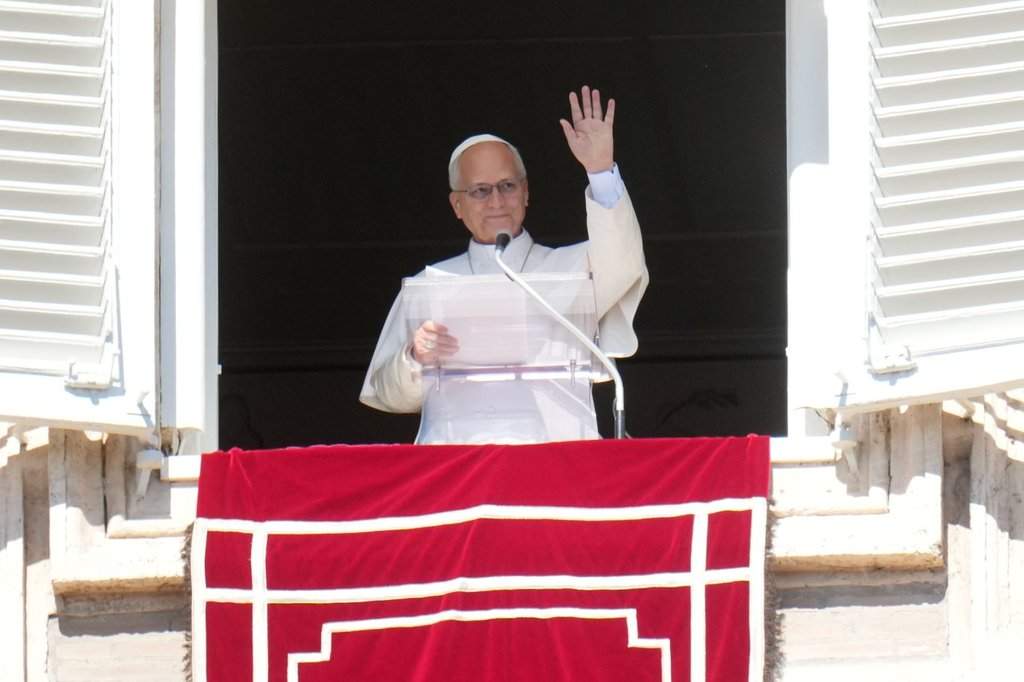
Pope Leo XIV shocked the global church when he announced from St. Peter's Square that a routine checkup had revealed a lung nodule requiring immediate surgical intervention. At seventy-one years old, the pontiff stepped into Rome's Gemelli Hospital, trading the pristine white vestments of Peter's office for a patient gown. What began as an ambiguous shadow on an imaging scan quickly escalated into a lobectomy, exposing malignant tissue.
The institutional reaction inside the Roman Curia revealed a profound shift in how modern popes handle medical transparency. For generations, the physical decline of a reigning pontiff was shrouded in medieval levels of secrecy. Medical bulletins were vague, drafted by cautious prelates rather than attending physicians, and often designed to project supernatural vigor while physical bodies collapsed behind velvet curtains. Leo's handling of his diagnosis broke that mold entirely. By taking the microphone and addressing his prognosis with clinical matter-of-factness, he stripped away the theatrical mystique that historically accompanied papal illnesses. Learn more on a similar topic: this related article.
Modern thoracic oncology does not care about apostolic succession. A pulmonary nodule in a septuagenarian demands aggressive staging, histological confirmation, and swift surgical excision if survival curves are to bend in the patient's favor. When surgeons at Gemelli Hospital removed the lower lobe of Leo's right lung, they were executing a standard protocol for early-stage non-small cell carcinoma. The procedure itself lasted roughly ninety minutes, but the ripples through Vatican governance were immediate.
Critics often misunderstand the legal vacuum surrounding a disabled or hospitalized pontiff. Canon law assumes absolute cognitive and physical capacity until death or explicit resignation. There is no constitutional mechanism for a temporary vice-pope or a medical regency board. Even while unconscious under general anesthesia, Leo retained total legal and spiritual jurisdiction over the global Catholic Church. Previous pontificates, notably those of John Paul II and Francis, tested these legal limits during prolonged hospitalizations and respiratory crises. Leo's rapid bounce-back—resuming international travel and rigorous pastoral tours mere weeks after major chest surgery—sidestepped a constitutional crisis, but it laid bare the structural vulnerability of absolute monarchy in an age of advanced medicine. Additional analysis by Al Jazeera delves into related views on the subject.
The physical reality of living with a single reduced lung changes the operational calculus for any head of state, let alone one who insists on grueling twelve-day itineraries across high-altitude regions of South America. Surgeons emphasize that stamina relies heavily on preoperative baseline fitness. Leo's history of physical activity and overall robust constitution acted as primary buffers against postoperative complications. Yet, pretending that major oncological surgery leaves no physiological debt is a dangerous fiction. Cardinalic advisors and Vatican administrators now face the uncomfortable task of institutionalizing succession contingencies that do not rely on a pope's personal stubbornness or miraculous stamina.
The Vatican has entered a pragmatic era where medical transparency serves as an asset rather than a liability. By demystifying his own mortality, Leo forced an ancient institution to confront the biological reality of its leaders. The shadow on the lung was removed, but the institutional blind spot remains.