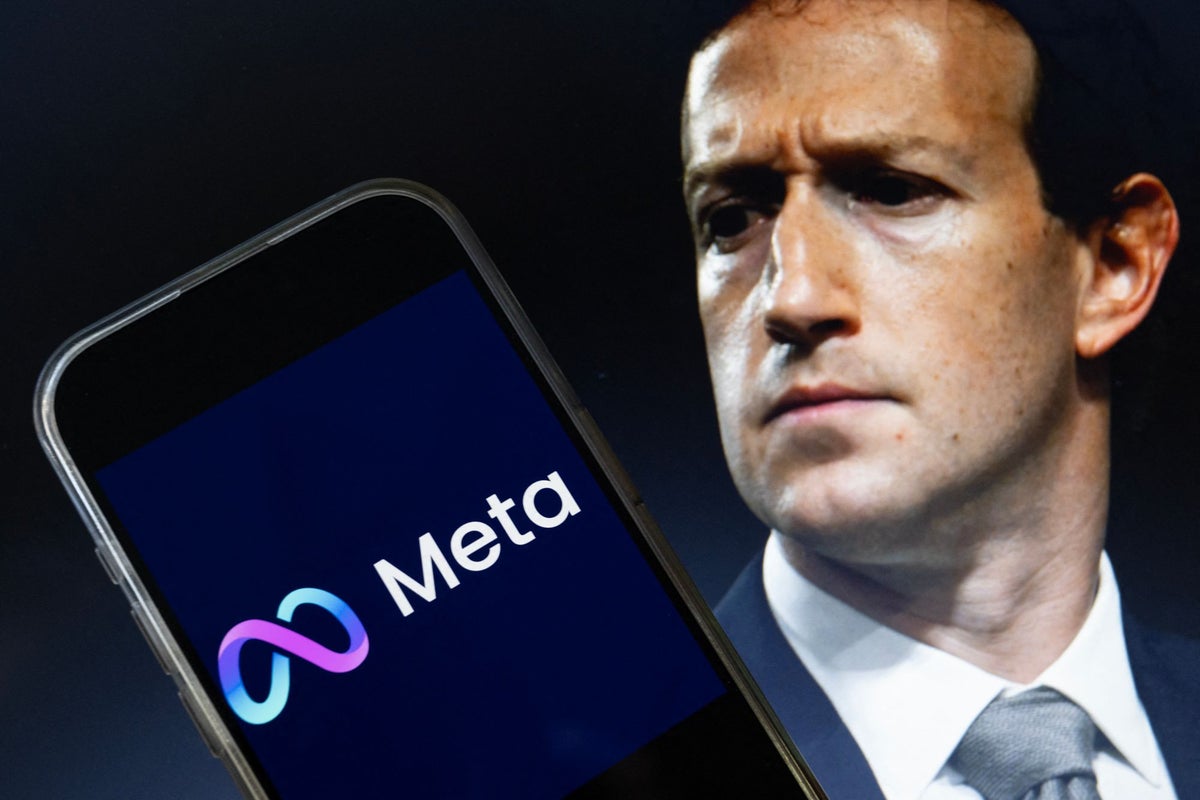
Meta Platforms is facing an unprecedented legal liability that stretches the boundaries of modern corporate jurisprudence. Four state attorneys general in a landmark consumer protection lawsuit have calculated potential civil penalties reaching a staggering $1.4 trillion. To contextualize that figure, it nearly matches the entire market capitalization of the tech giant. As proceedings get underway in federal court, the litigation targets the structural mechanics of Facebook and Instagram, accusing executive leadership of engineering compulsive behaviors in young users while concealing internal safety warnings.
The Mathematics of Catastrophe
How does a civil lawsuit arrive at a sum that rivals the economic output of mid-sized nations? The methodology rests on the statutory calculation of consumer protection fines. State attorneys general from California, New Jersey, Colorado, and Kentucky multiplied individual statutory violations by the vast population of young users exposed to engagement-maximizing mechanics.
Each instance of infinite scrolling, algorithmic feed placement, and push notification deployed to a minor account is treated by plaintiffs as a separate, actionable infraction. Multiply those potential fines across tens of millions of active accounts over several years, and the arithmetic snowballs into astronomical territory.
Meta’s legal defense team has pushed back aggressively against this formulation, pointing out that no corporation in American history has ever faced a trillion-dollar consumer penalty. Previous record-breaking settlements, such as historic Federal Trade Commission actions, measured in the hundreds of millions or low billions. Defense filings argue that stretching state statutes to this extreme breaks statutory intent and manufactures a penalty completely disconnected from judicial precedent.
Architectural Addiction on Trial
At the core of the courtroom battle is not just content moderation, but product design. Plaintiffs are targeting the very architecture that underpins the modern attention economy. Features like variable reward loops, infinite feeds, and biometric engagement tracking are framed not as benign social media staples, but as intentionally habit-forming mechanisms.
Internal company documents unearthed during discovery phases have provided plaintiffs with a narrative weapon. State attorneys general argue that Meta’s own researchers understood the psychological toll these design choices inflicted on adolescent mental health years before public admissions were made.
For years, Silicon Valley operated under the assumption that platform features were shielded by Section 230 and standard liability protections. This litigation bypasses traditional content hosting disputes by attacking the commercial incentives of the product itself. The argument asserts that designing a system to maximize duration of stay through psychological triggers is a deceptive commercial practice when marketed to children and teenagers.
The Broader Legal Campaign
The federal trial in California is only one front in a coordinated multi-state offensive. More than forty states have initiated various forms of litigation against Meta, seeking structural remedies alongside financial restitution. These proposed injunctions demand sweeping operational overhauls, including the mandatory removal of like counts, the elimination of algorithmic video autoplay, and the structural ban of infinite scrolling for minor accounts.
Recent courtroom outcomes underscore the severity of the threat. In separate state-level litigation, juries have returned verdicts finding the tech giant liable for deceptive practices and consumer safety failures. While those individual judgments carry lower price tags than the headline-grabbing federal calculations, they establish a dangerous legal precedent. The cumulative effect of multi-front litigation transforms theoretical maximums into genuine existential pressures.
Operational Distraction at the Worst Possible Hour
Beyond the immediate financial exposure lies the drain on executive bandwidth. Chief Executive Officer Mark Zuckerberg and top product leaders find themselves compelled to prep for lengthy courtroom testimonies while steering the enterprise through a capital-intensive transition toward artificial intelligence infrastructure.
History offers stark warnings regarding tech monopolies bogged down by protracted legal warfare. When major leadership teams spend quarters absorbed in depositions and regulatory defense, agile competitors capture market share. Legal expenses alone have already begun to impact quarterly financial reports, forcing the corporation to absorb billions in defense outlays while fighting battles across multiple jurisdictions.
The trial will determine whether state consumer protection laws can be effectively weaponized to dismantle the economic engines of the attention economy. Even if appellate courts eventually slash the $1.4 trillion figure down to a fraction of its current size, the forced operational compromises threaten to permanently alter how social platforms interact with their youngest users. The era of frictionless youth engagement is colliding with a judiciary ready to exact a severe accounting
Meta ordered to pay $567 million in New Mexico child safety case