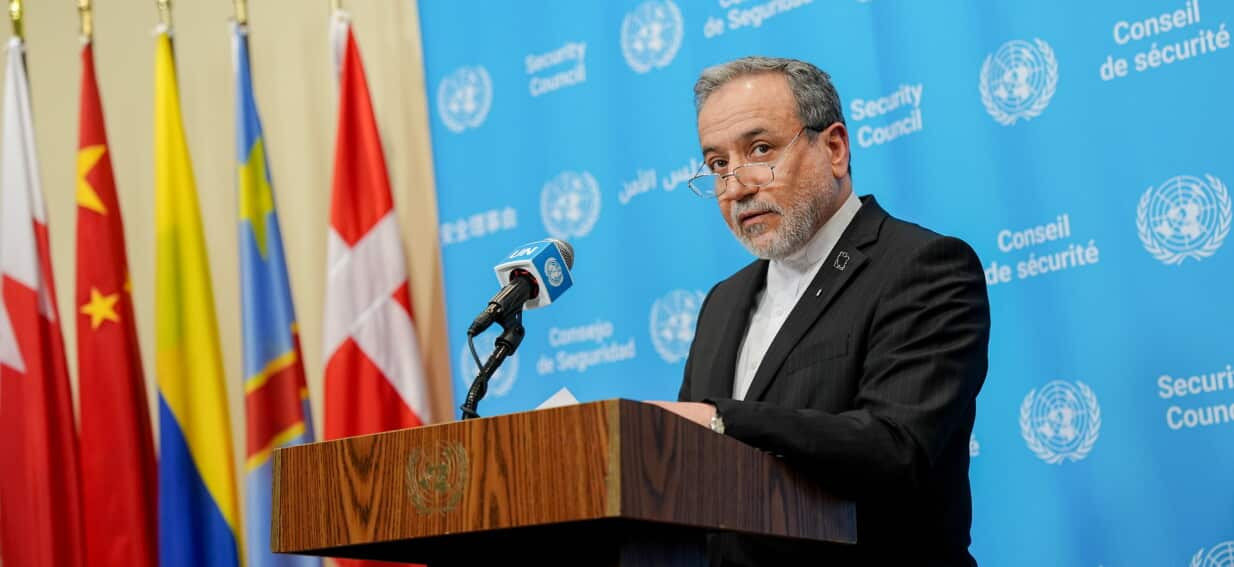
Tehran has dangled a rapid timeline to unlock the world's most critical energy artery, claiming that transit through the Strait of Hormuz could resume in days if Washington accepts a rigid set of prerequisite demands. Behind closed diplomatic channels facilitated by regional intermediaries, Iranian officials have insisted that a diplomatic window remains open to reverse a naval blockade that has choked off roughly one-fifth of global oil and liquefied natural gas shipments. Yet this proposal is less a sudden olive branch than a calculated maneuver born of severe economic exhaustion. Sanctions and maritime restrictions have battered Iranian state finances, driving inflation upward and pushing the national currency to historic lows. Washington faces its own political calculations, balancing energy market stability against deep institutional suspicion that Tehran is merely seeking temporary relief to bypass trade curbs.
The Arithmetic of a Maritime Blockade
Geography is destiny in the Persian Gulf. At its narrowest point, the Strait of Hormuz pinpoints down to twenty-one miles wide, with inbound and outbound shipping lanes each just two miles wide separated by a heavily monitored buffer zone. Through this narrow liquid corridor moves a vast share of the planet's petroleum consumption. When hostilities escalate, this geographic feature transforms into an economic chokehold. For a different look, consider: this related article.
For months, the military standoff has paralyzed commercial transit. Naval forces from the United States and allied regional partners have enforced strict screening and blockades around Iranian ports, while Iranian military units have utilized asymmetric naval tactics, fast attack craft, and coastal defense batteries to contest the waterway. The result is a high-stakes standoff where neither side can achieve total dominance, but both possess the capacity to inflict immense pain on the global economy.
The economic fallout travels far beyond the immediate Middle Eastern theater. When tankers stall, insurance rates spike exponentially, cargo owners cancel sailings, and benchmark crude prices ripple upward through international markets. Refineries from East Asia to Western Europe feel the squeeze within days. Energy importers scramble for alternative pipelines or emergency reserves, exposing the structural fragility of modern supply chains. Tehran recognized this vulnerability early in the conflict, converting the physical geography of the strait into its primary strategic instrument. Further analysis on the subject has been published by The Washington Post.
Anatomy of Tehran's Seven Conditions
Public pronouncements from Iranian state officials often package their demands as simple administrative fixes, but the reality is deeply complex. Tehran's blueprint for unblocking the passage hinges on seven strict conditions. These terms include the total cessation of the naval blockade, the unfreezing of billions in overseas assets, explicit guarantees safeguarding Iranian petroleum exports from foreign interference, and a permanent halt to military operations across multiple regional fronts.
To the clerical establishment, these demands are non-negotiable markers of sovereignty. They argue that Washington initiated the disruption through escalating economic warfare and military deployments, meaning the burden of the initial climbdown rests entirely on the White House. Iranian lawmakers and security advisors have repeatedly signaled that any agreement failing to deliver immediate financial oxygen will collapse under its own weight.
Yet this maximalist stance collides directly with political realities in Washington. American negotiators view several of these demands as non-starters, particularly those involving the unconditional release of restricted funds without matching concessions on nuclear enrichment limits and regional security guarantees. The deep distrust cultivated over decades of proxy conflicts and broken agreements ensures that neither side trusts the other to execute a phased implementation without cheating. Tehran wants economic relief delivered before it alters its military posture in the strait, while Washington demands the physical reopening of the waterway as a trust-building precondition. This sequencing paradox has turned every round of indirect talks into a game of diplomatic chicken.
The Washington Calculus and Domestic Pressures
American policymakers operate under severe political constraints. Energy prices dictate public sentiment, and spikes in gasoline and diesel costs carry immediate electoral consequences. When maritime blockades threaten fuel supplies, the pressure on the administration intensifies from both industry groups and working-class consumers.
At the same time, national security hawks argue against any arrangement that provides financial relief to Tehran without dismantling its regional militia networks and curbing its nuclear capabilities. The calculation inside the West Wing involves weighing the immediate economic relief of lowered oil prices against the long-term strategic risk of appearing weak in the face of maritime coercion.
Intelligence assessments presented to the White House highlight a divided leadership structure inside Iran. While the foreign ministry and pragmatic administrative figures push for diplomatic engagement to salvage crumbling state revenues, hardline military factions within the security apparatus remain deeply skeptical of any deal involving Washington. These internal fractures mean that even if American and Iranian negotiators reach an oral understanding, implementing it domestically in Tehran remains a perilous bureaucratic obstacle course. Hardliners frequently denounce compromise as capitulation, leaving reformist leaders vulnerable to domestic political backlash.
Regional Mediators and the Qatar Factor
Because direct communication between Washington and Tehran remains politically toxic, diplomacy relies entirely on a rotating cast of regional intermediaries. Capitals like Doha, Muscat, and Islamabad serve as the switchboards of this high-stakes negotiation. Qatari diplomats, in particular, have worked overtime to shuttle proposals between the two hostile camps, attempting to bridge the massive gulf over financial asset transfers and shipping lane guarantees.
Neighboring Gulf monarchies possess a profound vested interest in resolving the crisis. Nations like Saudi Arabia and the United Arab Emirates rely on the Strait of Hormuz for their own oil and gas exports, and both have suffered from the economic volatility and security risks generated by the conflict. However, these regional partners maintain distinct agendas. Riyadh, wary of empowering its primary regional rival, has frequently urged caution, demanding that any agreement include ironclad security architectures to prevent future disruptions.
This regional friction complicates the diplomatic track. When mediators draft compromise proposals, they must constantly adjust text to satisfy not only Washington and Tehran, but also cautious neighboring states whose cooperation is vital for regional stability. The cancellation of high-level Gulf diplomatic summits following disagreements over proposed amendments demonstrates how fragile these regional coalitions truly are.
The Fragile Mechanics of Implementation
Proposing a timeline to reopen a critical shipping lane in a week or two sounds appealing in a press release, but the operational reality of execution is fraught with hazard. Restoring normal maritime traffic requires much more than a signature on a diplomatic memorandum.
Naval engineers and commercial shipping syndicates must clear potential marine hazards, verify insurance coverage for vessels entering a contested zone, and de-escalate the dense concentration of warships lingering in the Persian Gulf. Commercial insurers will not underwrite multi-million-dollar crude carriers traversing a war zone based solely on verbal assurances. They require verified safety protocols, physical inspections, and clear legal protections.
Furthermore, monitoring compliance presents an immense intelligence challenge. If Iran agrees to halt its interference with commercial shipping but maintains its coastal missile batteries and fast-attack craft in a high state of readiness, shipping companies will remain terrified to send vessels through the strait. Conversely, if Washington lifts its naval blockade and unfreezes financial accounts while Iran retains its maritime chokehold capacity, the political cost for the American administration would be catastrophic.
The distance between a diplomatic proposal and a functioning waterway is measured in verified actions rather than optimistic headlines. Until both capitals agree on an immutable sequence of verification and mutual de-escalation, the Strait of Hormuz will remain a loaded weapon pointed directly at the heart of the global economy. Every passing day of paralysis deepens the economic bleeding for Tehran while keeping international energy markets on edge, ensuring that the next miscalculation by a patrolling warship could permanently shatter the fragile peace talks before they ever truly begin


