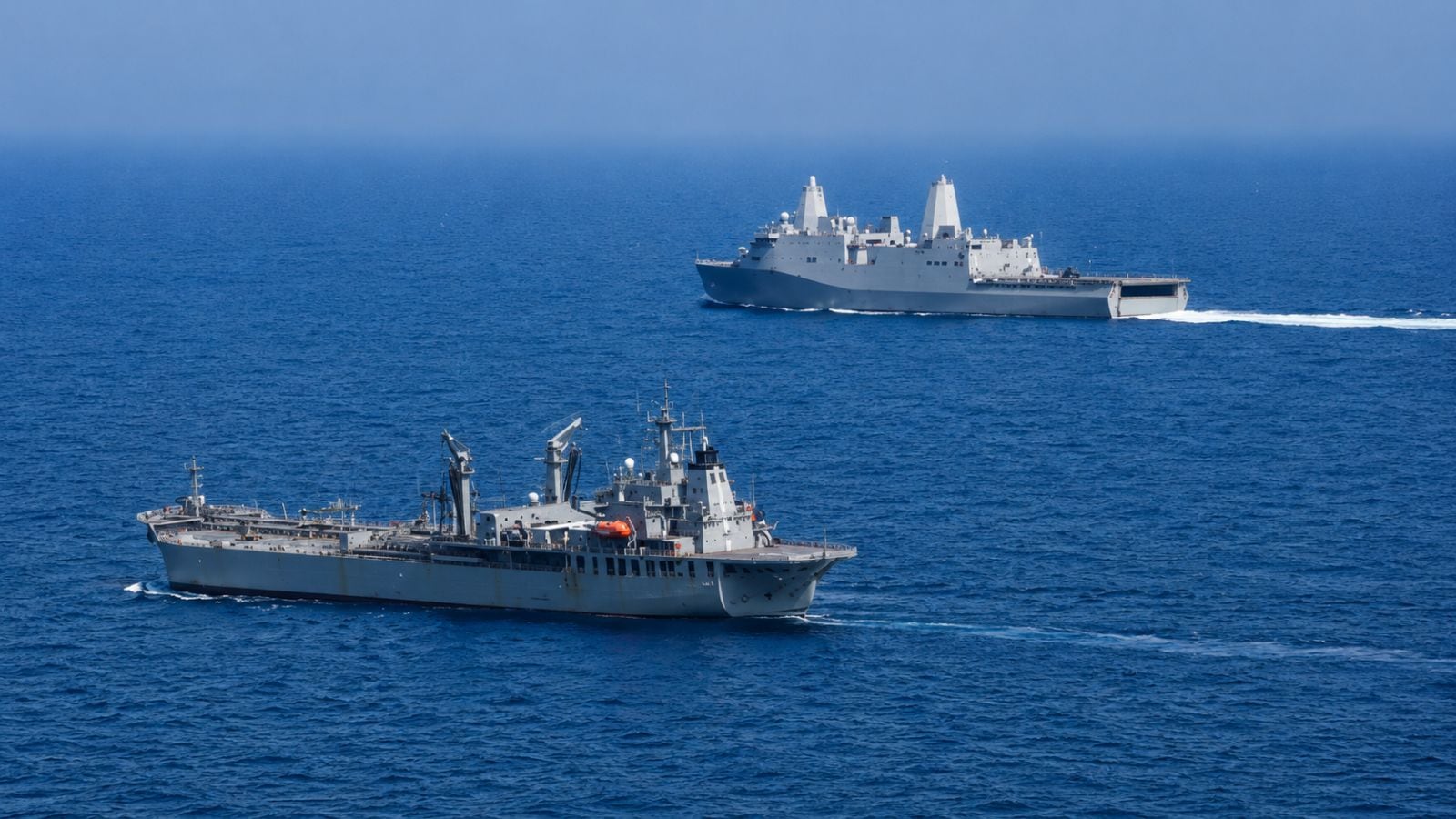
A commercial tanker burned in the Strait of Hormuz after a sudden projectile strike, revealing the fragile state of global energy shipping. The incident occurred while Iranian state television broadcast footage of national mourning ceremonies for the late Supreme Leader Ali Khamenei, whose death earlier this year left a massive power vacuum in Tehran. While mainstream accounts treat the maritime attack as a routine escalation of regional friction, the reality points to a far more dangerous breakdown of command structures and maritime deterrence.
The commercial shipping industry cannot simply write this off as collateral damage from an ongoing regional proxy conflict.
The Breakdown of Chokepoint Deterrence
Decades of naval planning rested on the assumption that regular deterrence keeps the world's most critical energy artery open. That assumption evaporated when the projectile hit the hull of the tanker. The vessel was transiting the narrow shipping lanes of the strait, a passage through which roughly one-fifth of the world's petroleum flows daily.
Initial reports from maritime security firms indicate the attack originated from coastal territory controlled by regional factions. The timing matters immensely. Iran is currently occupied with highly public, multi-day commemorative processions for Khamenei, drawing focus away from conventional naval policing and toward domestic regime preservation.
Western intelligence agencies are quietly investigating whether the strike was authorized by senior military leadership or executed by a rogue coastal faction taking advantage of the political distraction in Tehran. If the central government has lost tight control over its local anti-ship missile units, the risk to commercial shipping increases exponentially. Shipping companies can no longer rely on predictable state-level behavior to ensure safe passage.
Insurance Costs and Choked Supply Lines
The financial shockwaves hit London and Singapore within hours of the fire. Underwriters immediately began reassessing war risk premiums for any vessel scheduled to cross the Gulf of Oman. A standard transit that cost thousands of dollars in insurance coverage last week will now cost significantly more, a burden that ultimately transfers to global consumers.
| Region | Daily Oil Flow volume | Estimated Risk Premium Increase |
|---|---|---|
| Strait of Hormuz | ~20 million barrels | 45% |
| Bab el-Mandeb | ~8 million barrels | 15% |
| Malacca Strait | ~16 million barrels | 5% |
Higher insurance rates force operators to consider the alternative. Going around the Cape of Good Hope adds weeks to a voyage, burning through fuel and tying up global shipping capacity. The global economy operates on just-in-time inventory systems, meaning even a temporary three-day slowdown in the strait disrupts refinery schedules in Europe and Asia.
The Problem of Shadow Fleets
Compounding the crisis is the massive presence of the shadow fleet. These are old, poorly maintained tankers operating under flags of convenience with untraceable ownership structures, often used to bypass international sanctions. When a mainstream, insured vessel is struck, professional salvage crews and international navies respond quickly. If a shadow fleet tanker is set ablaze, the operators frequently cut communication to avoid legal exposure or asset seizure.
The risk of a massive ecological disaster in the narrow gulf remains critical. A disabled vessel leaking crude oil in the middle of the shipping lane would halt all traffic far more effectively than any military blockade. International naval coalitions patrolling the region find themselves stretched thin, trying to protect legitimate commerce while policing a chaotic underworld of illicit oil movers that refuse to follow standard safety protocols.
International shipping firms are already making quiet adjustments to their routes, instructing captains to hug the southern territorial waters of Oman and transit only under the cover of night. This tactical retreat shows that the naval protection guarantees offered by global superpowers are no longer seen as sufficient by the companies risking multi-million dollar hulls and human lives in the narrow waters.