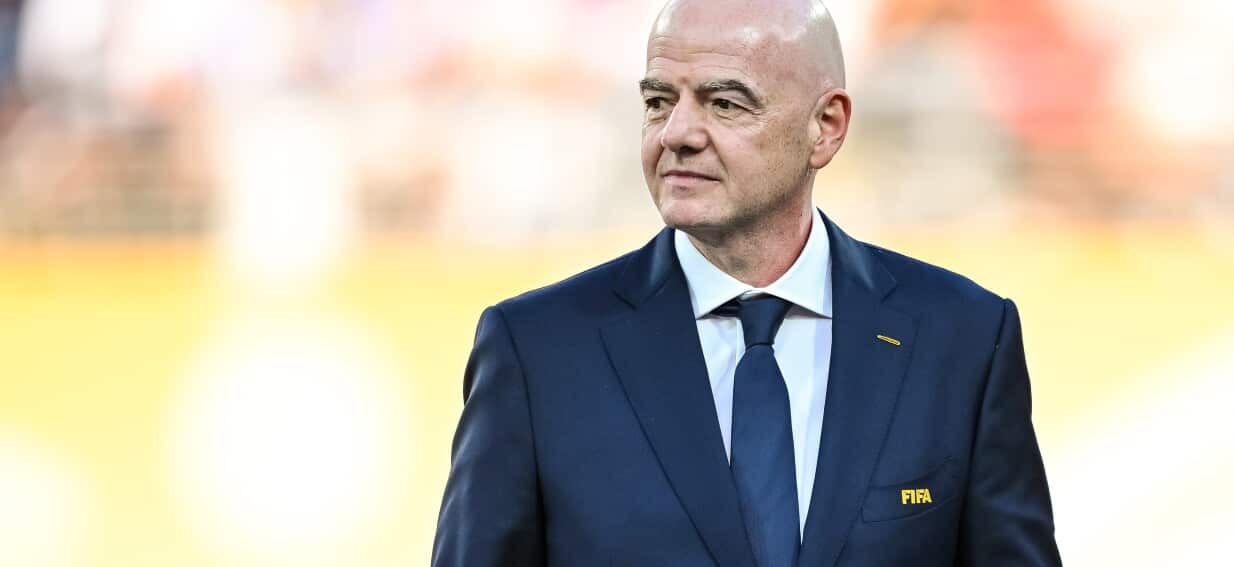
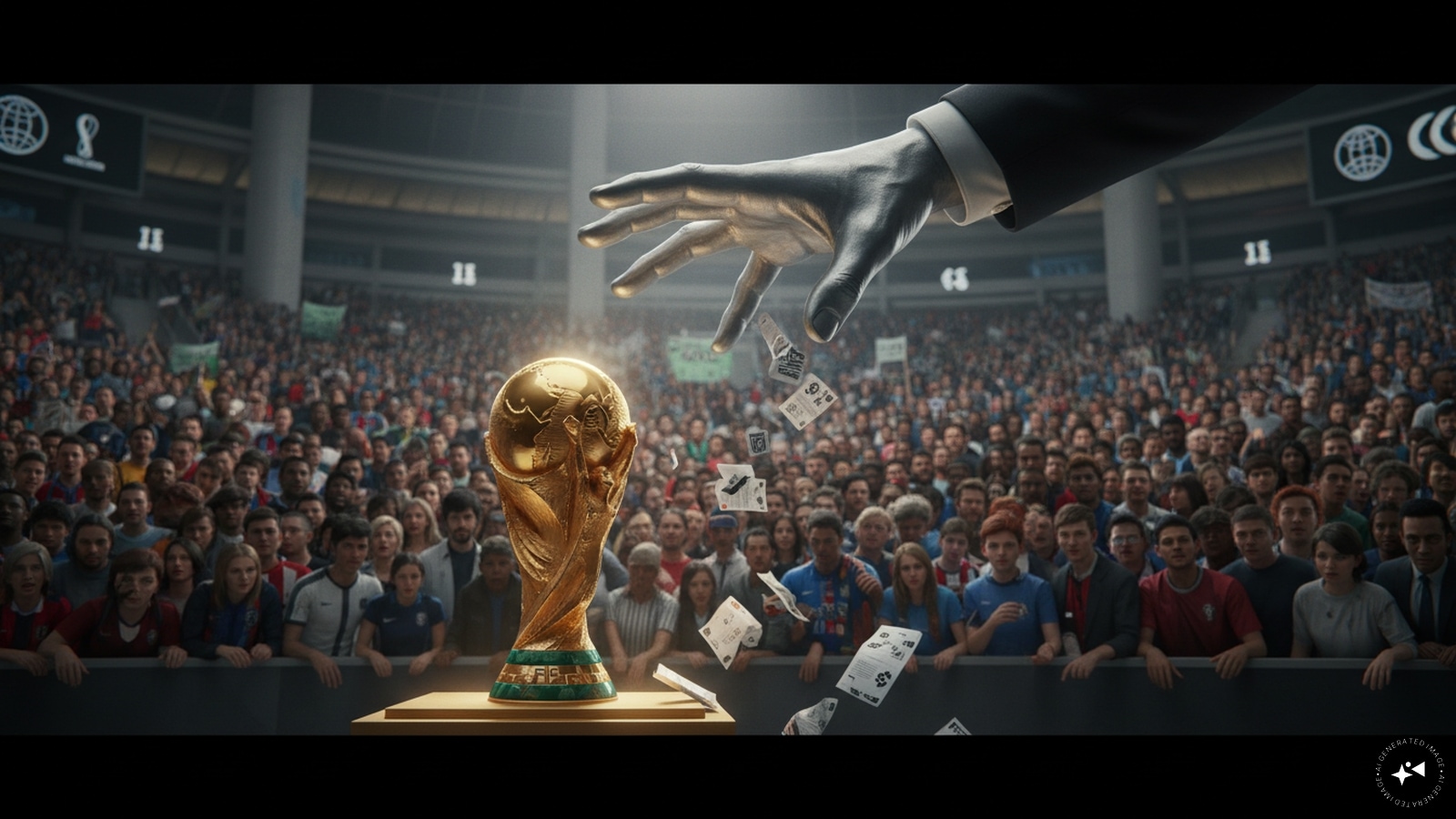
FIFA President Gianni Infantino expected a rubber-stamp exercise when he unveiled a plan to spin off the commercial and operational rights of the World Cup into a separate corporate entity valued at twenty billion dollars. Instead, the aggressive push to sell a twenty percent minority stake to private equity—including a group led by Joshua Kushner—triggered an unprecedented global revolt that forced a humiliating retreat within days. By the end of a chaotic week, a premier sports administrator accustomed to unchallenged authority found himself isolated, facing open rebellion from continental confederations, and fighting to preserve his political future.
To understand why the proposed FIFA Forward Enterprise project collapsed so spectacularly, one must look past the public rhetoric of solidarity and examine the underlying structural fracture between Zurich and European football. Infantino pitched the private equity injection as a philanthropic masterstroke. Under the terms floated to member associations, the governing body would raise up to 4.2 billion dollars from external investors, funding a massive redistribution of capital. National federations across the developing world were dangled the prospect of twenty million dollars in upfront payments, alongside a doubling of annual stipends to five million dollars. For small football associations operating on shoestring budgets, the financial package was transformative. For elite European clubs and the leadership in Nyon, it was an existential threat to the soul of the sport.
The backlash was swift, coordinated, and vicious. UEFA branded the initiative irresponsible, indefensible, and an overt attempt to commercialize the sacred governance of international football. More dangerously for Infantino, European leadership backed their rhetoric with immediate coercion, threatening a complete boycott of all FIFA competitions, including the men's and women's World Cups, if the plan proceeded. Simultaneously, CONCACAF leadership publicly questioned the logic of courting private equity following the most financially lucrative World Cup cycle in history. When the Asian Football Confederation signaled solidarity with the dissenting blocks, the arithmetic turned fatal for Infantino. Combined, the opposing confederations commanded enough voting power to completely shatter any hope of securing the simple majority required at the scheduled September vote.
Cracks began to tear through FIFA's internal hierarchy as well. Senior officials who had spent months helping steer the organization suddenly distanced themselves from the executive suite. Chief Operating Officer Kevin Lamour did not mince words when addressing colleagues, characterizing the stake-sale initiative as a unilateral project driven by a single person while staff had been kept in the dark. Shortly after, high-profile adviser Carlos Cordeiro handed in his resignation in explicit protest against a deal he deemed fundamentally toxic for the global game. High-ranking political figures like British Prime Minister Andy Burnham piled on, publicly declaring that Infantino was no longer fit to guide the organization.
The entanglement with high-profile private equity also introduced uncomfortable geopolitical optics. The involvement of Thrive Capital, managed by Joshua Kushner—whose brother Jared Kushner maintains prominent ties to American political circles—invited intense media scrutiny regarding external political leverage over the world's most popular game. While FIFA consistently maintained that the selection of financial partners relied entirely on commercial merit, the perception of backroom political dealing galvanized domestic and international resistance.
Realizing that the initiative risked permanent institutional fracture, Infantino executed a sudden about-face. In a terse statement released early Saturday, the FIFA president conceded that the project had generated divisions of a nature that rendered it counterproductive to the organization's core mission. The proposal, he confirmed, would not proceed.
Yet shelving the investment plan does not insulate Infantino from long-term fallout. With a presidential re-election cycle looming next year, the miscalculation has emboldened internal rivals. Figures like CONCACAF head Victor Montagliani are quietly assessing paths toward a formal leadership challenge, and the trust deficit between Zurich and Europe has widened into a chasm. The millions promised to smaller member associations have vanished, leaving grassroots federations searching for alternative funding models while elite power brokers consolidate their defensive walls around the governance of international football.
The billions are still out there, waiting for someone brave enough or reckless enough to try and monetize the crown jewel of sport a second time