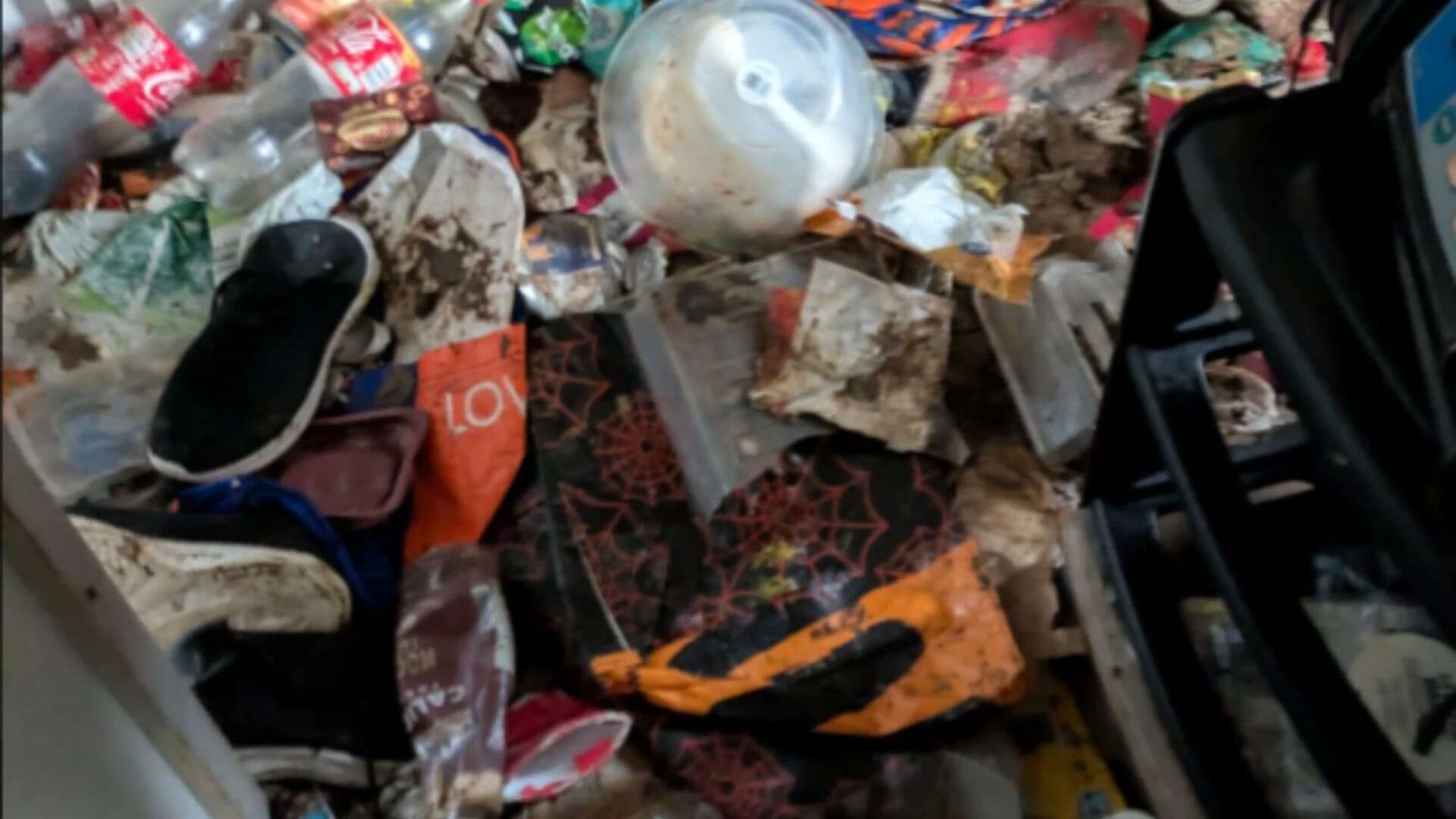
A prominent property management firm faces a £42,500 penalty after local authorities discovered tenants residing alongside rat infestations and raw sewage, revealing deep vulnerabilities in municipal housing enforcement.
Fines alone do not fix bad housing. Don't miss our recent post on this related article.
When code enforcement officers crossed the threshold of the multi-occupancy building, they documented conditions that breached basic standards of human decency. Rodent droppings littered kitchen counters. Raw sewage backed up into living quarters, creating severe health hazards for families paying market-rate rents. Yet, the £42,500 fine levied against the corporate landlord represents a mere fraction of the company's operating revenue—a predictable line item on a balance sheet rather than a deterrent.
To understand how residential properties deteriorate into hazardous slums, one must look past the individual bad actors and examine the financial incentives that govern private renting. To read more about the background here, USA Today offers an informative summary.
The Cold Financial Logic of Property Neglect
Slumlord operations rarely happen by accident. They are often the result of deliberate capital allocation strategies designed to extract maximum yield from high-occupancy residential units while minimizing operational expenditures.
Consider a standard multi-occupancy rental asset. In high-demand urban centers, housing shortages guarantee a steady stream of vulnerable tenants—immigrants, low-income workers, and individuals relying on municipal housing support. These demographics possess limited legal recourse and few alternative options in tight rental markets.
Property owners operate on a simple mathematical formula.
Net Income = Rent Collected - (Maintenance + Mortgage + Enforcement Fines)
When local council enforcement remains rare, passive, or underfunded, the probability of facing financial penalties drops significantly.
For a landlord managing multiple properties, deferring essential repairs like plumbing overhauls, roof leaks, or pest eradication saves tens of thousands annually. If the council issues a penalty once every five years, the saved capital routinely exceeds the fine. Deferred maintenance becomes a profit center.
The Shell Company Shield
Investigating corporate landlords reveals a complex maze of corporate structures engineered to insulate property owners from personal accountability.
Properties are frequently held under individual Limited Liability Partnerships (LLPs) or Special Purpose Vehicles (SPVs). Each property or small portfolio operates as a standalone corporate entity.
- Asset Segregation: The primary holding company remains insulated from civil penalties and council fines targeting a specific address.
- Capital Siphoning: Revenue generated from tenant rents flows upward into parent corporations through management fees, leaving the property-holding entity with minimal liquid assets.
- Strategic Insolvency: If an enforcement agency levies a heavy financial penalty, the specific SPV can declare bankruptcy, allowing the owners to walk away from the fine while retaining control of the physical real estate asset through mortgage holding entities.
This legal firewall renders traditional enforcement mechanisms largely ineffective. City councils spend years pursuing corporate entities in court, only to discover the liable entity possesses no cash to settle the judgment.
Why Local Enforcement Continues to Fail
Municipal housing teams face a structural mismatch against bad actors.
Local council enforcement officers are systematically outnumbered and outgunned by legal teams retained by commercial residential entities. While councils must adhere to strict legal frameworks, statutory notices, and lengthy appeal windows, negligent landlords continue collecting rent throughout the dispute.
The Limits of Financial Penalties
Fines are meant to act as a clear deterrent, but current statutory limits fail to alter corporate behavior.
| Penalty Type | Typical Statutory Range | Operational Impact on Slum Property | Real Deterrent Value |
|---|---|---|---|
| Civil Penalty Notice | £5,000 – £30,000 | Minor operating expense covered by 2-3 months of rent revenue | Low |
| Magistrates Court Fine | £10,000 – £50,000 | Absorbed into annual maintenance deferral budget | Moderate |
| Rent Repayment Order | 12 months rent maximum | Friction on cash flow, rarely fully recovered by tenants | Moderate to High |
| Banning Order | 12 months to lifetime | Highly effective, but rarely issued by judicial courts | High |
Judicial courts routinely reduce fines based on corporate plea submissions, mitigating factors, or arguments regarding profitability. A £42,500 fine for a firm pulling in millions across a broader housing portfolio fails to alter the underlying business model.
The Inspection Gap
Systemic enforcement relies heavily on tenant complaints.
Tenants living in severe conditions frequently refrain from reporting landlord misconduct due to fear of retaliatory eviction. Renters know that raising concerns about mold, rat infestations, or structural hazards often results in a Section 21 eviction notice or an immediate rent increase designed to force them out.
By the time environmental health officers enter a property, the damage has usually reached an extreme stage.
Fixing the Broken Housing Model
Reforming the private rented sector requires moving beyond superficial fines and targeting the financial mechanics that make property neglect profitable.
Mandating Personal Director Liability
Regulatory frameworks must pierce the corporate veil.
When a corporate landlord allows human waste or dangerous pest infestations to persist, liability should attach directly to company directors and beneficial owners rather than stopping at the holding company. Lifting corporate immunity ensures executives risk personal bankruptcy and criminal records when operating substandard housing.
Rent Withholding and Automatic Escrow
Current legal systems force tenants to pay full rent even when living in hazardous conditions.
Establishing statutory escrow mechanisms would allow tenants to pay rent directly to a verified municipal account when severe housing hazards exist. Rents remain locked until an independent inspector certifies that all structural, plumbing, and safety hazards are resolved.
Depriving slumlords of cash flow hits the business model where it hurts immediately.
Expanding Rent Repayment Orders and Property Seizure
The most effective tool against persistent bad actors is asset confiscation.
If a property management firm repeatedly subjects tenants to unlivable conditions, local authorities need streamlined legal routes to assume temporary management orders or execute compulsory purchase orders at distressed valuations. Converting neglected properties into community-run social housing removes the asset from the speculative market entirely.
Until regulatory systems prioritize tenant safety over property yield, corporate landlords will continue factoring safety fines into their cost of doing business while tenants pay the price with their health and dignity.