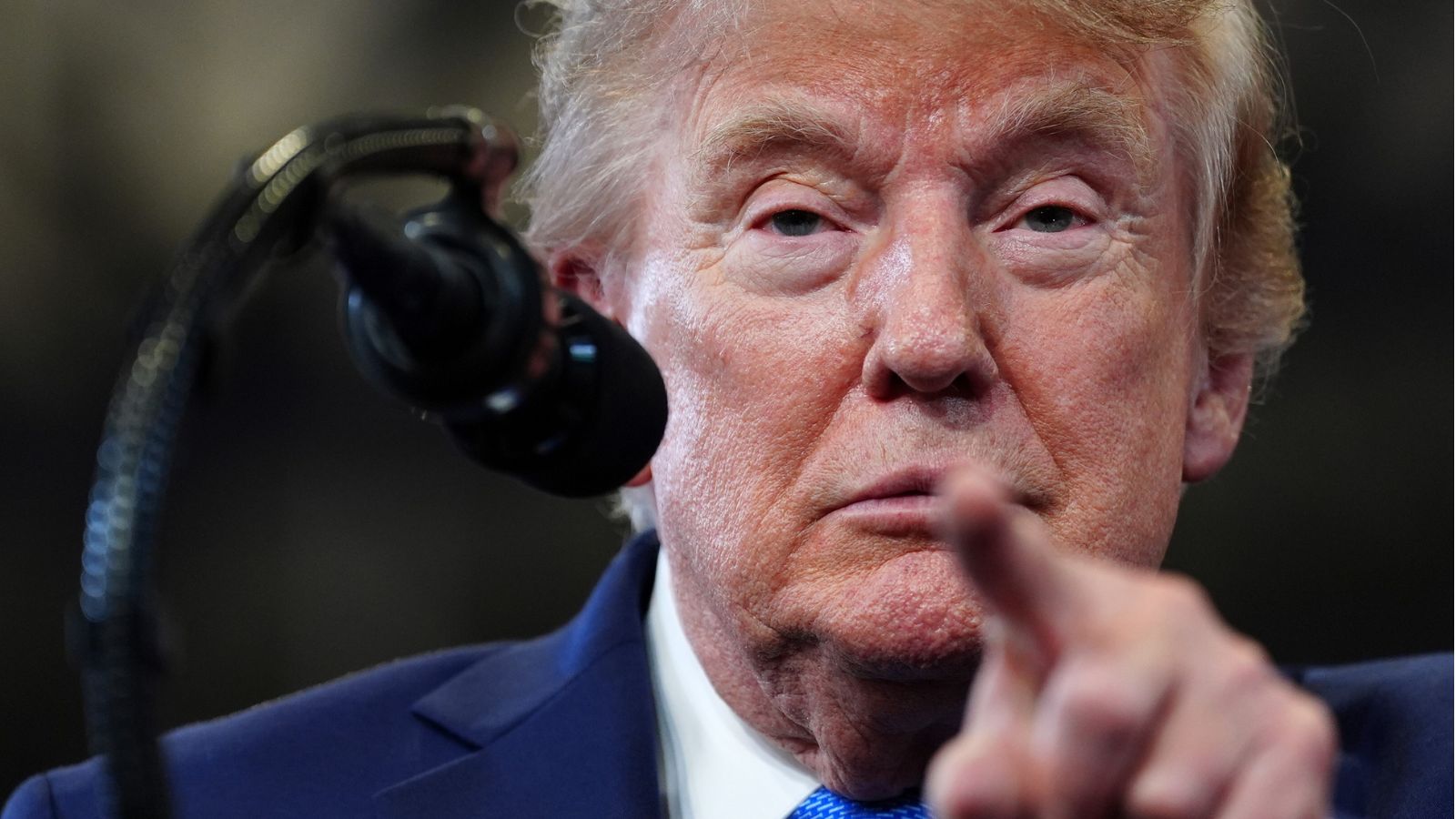
Donald Trump’s job approval rating has plummeted to 33 percent, matching the lowest nadir of his first term and hitting a new low for his current presidency. This drop, captured in recent Reuters/Ipsos polling, arrives at a perilous moment for the White House. With midterm elections looming, public anxiety over an expanding overseas conflict and stubborn economic strain has ruptured the coalition that returned Trump to power.
For months, political analysts watched for cracks in the administration's support. Those cracks are now fissures. Understanding how a second-term presidency arrived at this exact statistical floor requires looking past standard partisan talking points and examining the convergence of foreign policy miscalculation and domestic economic fatigue.
The Cost of a Protracted Conflict
The primary catalyst for this historic slump is the ongoing military engagement with Iran. When the administration authorized initial strikes alongside Israeli forces, the White House anticipated a short, sharp campaign. Public messaging suggested the operation would wrap up within weeks, leaving minimal long-term footprint on global markets or American households.
Reality proved far more stubborn. Iran demonstrated unexpected resilience, and critical trade chokepoints like the Strait of Hormuz faced persistent disruptions.
The public response has been definitive. Roughly 80 percent of Americans surveyed now believe the military involvement will stretch on indefinitely. That skepticism is not confined to opposition lines. Over 70 percent of registered Republicans share the belief that the conflict lacks a swift resolution.
When voters feel a foreign intervention lacks a clean exit strategy, political support erodes rapidly. The administration's defense—arguing that paying higher prices at the pump is a minor tax for national security—has failed to resonate with a populace already strained by years of inflationary pressures. Even within the core base of Make America Great Again loyalists, polling indicates that only a minority believe the mounting economic toll of the war is justified.
Economic Anxiety and the Midterm Horizon
Foreign entanglements rarely sink a modern presidency unless they intersect with domestic pocketbook issues. In this case, the intersection has been direct and damaging. Gasoline prices have hovered at uncomfortable levels for millions of households, and public confidence in the administration's economic management has suffered accordingly.
For years, economic competence was viewed as an impregnable shield for the brand. That shield has cracked. Recent surveys show Democrats edging ahead on handling the broader economy and managing the cost of living, a reversal from earlier periods in the term.
This shift creates an immediate emergency for Republican candidates running in competitive congressional districts. Historically, midterms serve as a referendum on the sitting executive. When an incumbent president's disapproval rating climbs to 64 percent, down-ballot candidates face a severe structural headwind. Districts that leaned safely red are suddenly in play, and legislative chambers once thought secure are firmly on the line.
The Erosion of Traditional Strengths
Beyond foreign policy and inflation, secondary policy pillars are showing signs of strain. Immigration enforcement has historically served as a reliable anchor for the administration, maintaining enthusiastic backing even when other metrics fluctuated.
While aggregate numbers show the administration's approach to the border remains favored over the opposition's by a narrow margin, that lead has evaporated significantly. Public unease over aggressive enforcement tactics, high-profile confrontations, and a ballooning detainee population has diminished the advantage. The gap between the two parties on the issue has narrowed to historic lows, depriving the White House of its most dependable political buffer.
Voters are signaling that they view the current political environment through a lens of exhaustion. The accumulation of high gas prices, a protracted war in the Middle East, and legislative battles over executive overreach has created a weary electorate.
The coming months will test whether executive messaging can shift public perception before ballots are cast. If the trend lines fail to reverse, the administration risks not only a deeply compromised remainder of its term but the loss of legislative power in Washington.