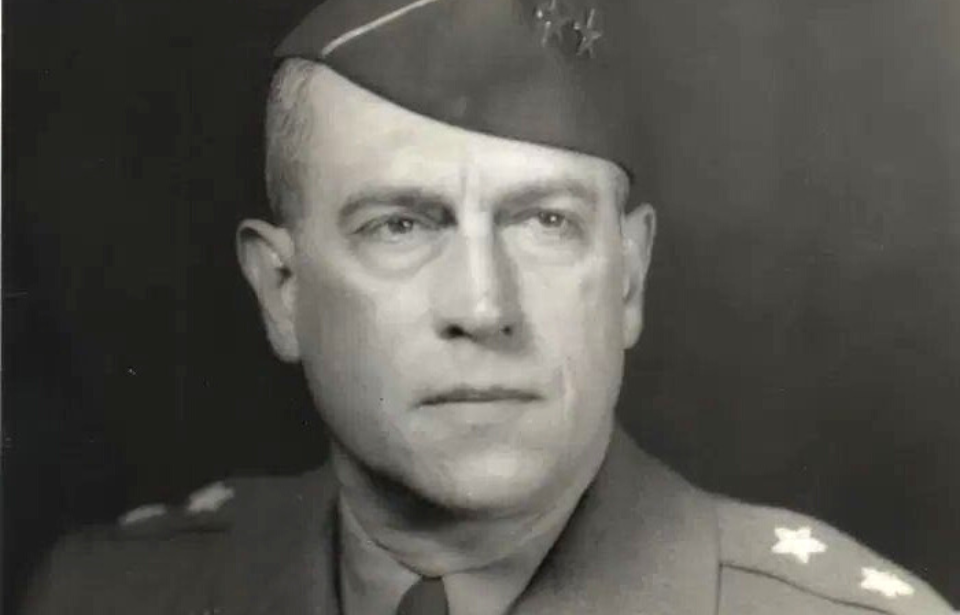
The brutal killing of former MP and minister Ann Widdecombe at her isolated Devon home has shattered any remaining illusions about the safety of public figures in modern Britain. When a prominent figure is attacked, the official playbook is entirely predictable. There is a flurry of shock, a wave of condemnation in the House of Commons, and a pledge to review security measures. But this performative cycle hides a much deeper, systemic failure. British democracy relies on an outdated model of public accessibility that is no longer compatible with the security realities of a highly polarized society.
The hard truth is that the state cannot protect every public figure without turning them into a distinct, isolated ruling class. That isolation would destroy the very essence of British politics, which prides itself on the face-to-face relationship between representatives and the public. We are caught in a trap of our own making. Every time an incident occurs, we demand more protection, yet we refuse to accept the logical conclusion of those demands, which is the end of accessible democracy.
On a rainy Thursday morning in July 2026, the body of seventy-eight-year-old Ann Widdecombe was discovered in her bungalow in Haytor Vale, Dartmoor. The details that emerged were chilling. She had been dead for nearly twenty-four hours before anyone realized she had been attacked. A 28-year-old suspect from South Yorkshire had driven nearly three hundred miles to her home, bypassing whatever rudimentary security measures she had in place. The case took an even darker turn when counter-terrorism police took over the investigation, re-arresting the suspect under terrorism laws.
This tragic event is not an isolated incident. It is the latest entry in a grim roll call that includes Jo Cox and Sir David Amess. Yet, the response remains stubbornly superficial. We discuss panic buttons, police escorts, and social media moderation, while ignoring the structural flaws that make our politicians sitting ducks.
The Myth of the Low Risk Backbencher
Security assessments in the UK have historically operated on a tiered system. High-profile cabinet ministers and party leaders receive round-the-clock protection from specialist police units, while backbenchers and retired politicians are left to fend for themselves with basic advice and minor security grants. This division is obsolete.
The modern threat environment is decentralized and unpredictable. An individual sitting in a bedroom hundreds of miles away can become radicalized by online rhetoric and decide to target a public figure who is perceived as a symbol of a particular political stance. Ann Widdecombe, though retired from Westminster, remained a highly visible and outspoken commentator for Reform UK. To a self-radicalized attacker, her prominence made her a high-value target, regardless of whether she held official office.
The state’s threat assessment model is fundamentally reactive. It relies heavily on known intelligence and direct threats. But many of the most dangerous attackers do not send warning letters. They do not appear on the radar of counter-radicalisation programmes like Prevent, as the Home Secretary confirmed was the case with the suspect in Widdecombe’s murder. When the threat is invisible, a system built on active intelligence tracking fails completely.
The physical reality of political life in the UK makes implementing robust security incredibly difficult. Unlike US politicians who operate within highly secure offices and are surrounded by armed details, British MPs are expected to be visible in their communities. They hold weekly surgeries in drafty church halls, walk the streets during campaigns, and live in ordinary residential areas.
This accessibility is a proud tradition. It is also a massive security vulnerability.
To truly secure these individuals, we would have to end the constituency surgery as we know it. We would have to move meetings behind bulletproof glass and require airport-style security screenings for any citizen wishing to speak with their representative. The political class is terrified of this prospect because they know it would alienate voters and deepen the divide between the public and Westminster. So, they choose to accept a level of risk that would be deemed unacceptable in almost any other high-threat profession.
The Failure of the Digital Shield
The conversation around protecting politicians inevitably turns to social media. We are told that online abuse fuels offline violence, and that if we can clean up the internet, we can make our politicians safe. This argument is a comforting distraction from the physical realities of security.
While online radicalisation is a massive problem, policing the internet is an impossible task. The volume of communications is too vast, and the platforms are too decentralized. Even if we could monitor every interaction, the transition from online vitriol to physical violence is notoriously difficult to predict. Thousands of people post vile messages online every day, but only a tiny fraction will ever act on those impulses. Identifying that one individual before they get into a car and drive hundreds of miles is like searching for a needle in a haystack of digital noise.
Instead of focusing on the impossible task of eliminating threat, we must focus on the tangible task of reducing vulnerability. This means looking at physical security in a completely different way.
Consider the geography of the Widdecombe attack. Dartmoor is beautiful, but it is isolated. A retired politician living alone in a rural bungalow with a name plaque on the driveway is incredibly vulnerable. Our current security protocols do not account for the geographic isolation of politicians when they are away from Westminster. We offer the same basic security packages to an MP living in a secure, managed apartment building in London as we do to one living in a remote cottage in Devon.
This one-size-fits-all approach is failing. We need a dynamic, risk-based model that evaluates not just who the politician is, but where they live, how they travel, and what physical vulnerabilities their lifestyle creates.
Redefining the Boundaries of Public Service
We must ask ourselves a difficult question. What are we willing to sacrifice to keep our representatives alive?
If we insist on maintaining the traditional model of the accessible, local MP, we must accept that more tragedies will happen. The rise of extreme polarization, fueled by economic anxiety and digital echo chambers, has created an environment where the threat level will only continue to rise. No amount of police funding or intelligence gathering can fully protect someone who is determined to remain accessible to the public.
If we are not willing to accept that risk, then we must accept a fundamental change in the nature of British democracy.
This would mean transitioning to a model where physical interactions between politicians and the public are strictly controlled. Face-to-face constituency surgeries would be replaced by secure virtual meetings. Public appearances would be limited to pre-vetted audiences in secured venues. Politicians would live in protected compounds rather than ordinary homes.
It sounds dystopian. But it is the logical endpoint of a security strategy that prioritizes absolute safety above all else.
The current strategy of trying to have it both ways—demanding absolute safety while maintaining total accessibility—is a recipe for continued disaster. It leaves politicians in a state of perpetual vulnerability, while giving the public a false sense of security. We are relying on luck, and as the tragic events in Devon show, our luck is running out.
The government must initiate an honest, transparent debate about these trade-offs. We cannot afford to keep repeating the same cycle of mourning and empty promises. We must decide what kind of democracy we want, and what price we are willing to pay to protect the people who run it.
The investigation into the death of Ann Widdecombe will eventually conclude, and a court will pass judgment on the individual responsible. But the wider failure of our political security apparatus will remain unaddressed until we confront the irreconcilable conflict between public access and personal safety. The time for platitudes is over. We must make a choice before the next name is added to the list.