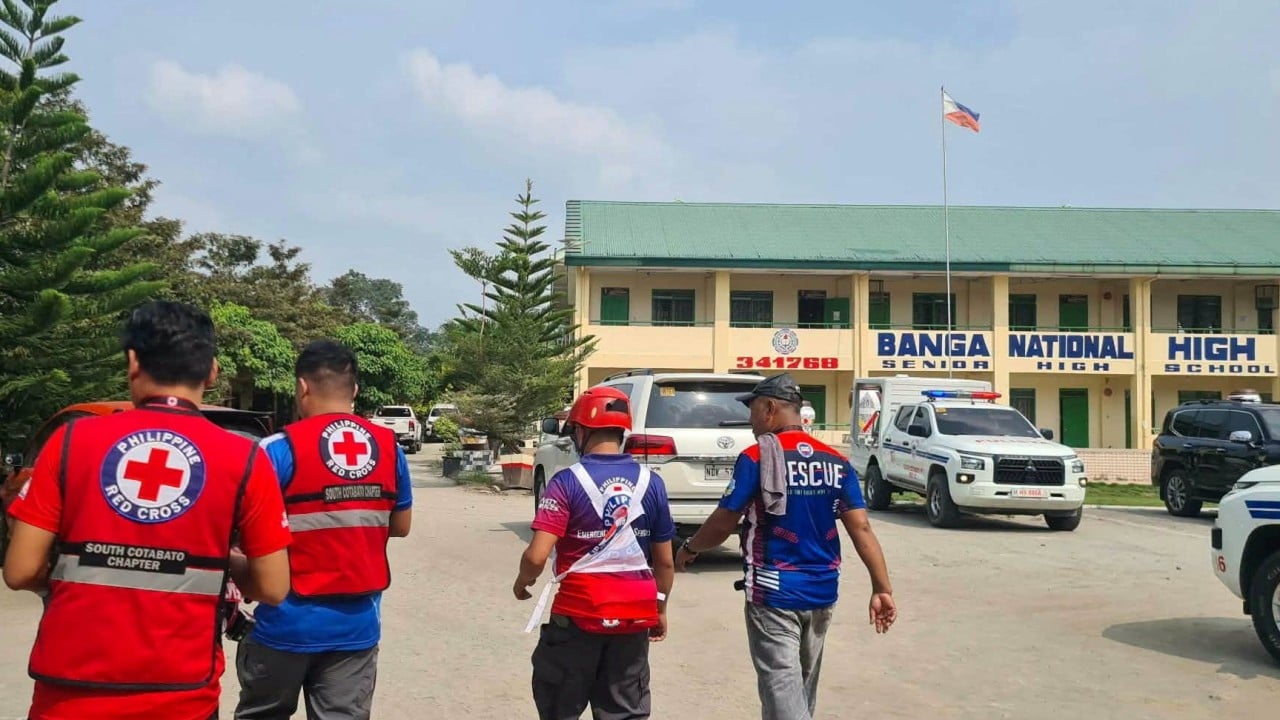
When a sixteen-year-old student walked into Banga National High School in South Cotabato and opened fire, local authorities treated it as an isolated tragedy. They shouldn't have. That September afternoon marked the third fatal school shooting to rock the Philippines in a matter of months, following horrific bursts of campus violence in Tacloban and Zamboanga. For a nation that long believed its strict firearm regulations and tight-knit community structures insulated it from this specific brand of modern horror, the illusion has shattered entirely.
Decades spent covering public safety across Southeast Asia teach you one uncomfortable truth. Systems do not break all at once; they fracture quietly along neglected fault lines until the weight of reality finally forces an accounting. The sudden spike in Philippine campus gun violence is not merely a policing failure or an anomaly of adolescent angst. It is the symptom of an institutional blind spot where lax domestic gun storage, unregulated digital echo chambers, and systemic failures in youth mental health care collide with devastating velocity. Recently making waves in this space: When Both Pilots Are Drunk at the Controls.
Consider the mechanics of how these weapons entered classrooms. Philippine law outlines stringent background checks and psychological evaluations for legal gun ownership. Yet, the firearms used in these tragedies did not materialize out of thin air via international smuggling rings. They came from unlocked bedroom cabinets, from negligent relatives, and in some cases, from the personal stashes of law enforcement officers who failed to secure their service weapons.
When investigators traced the provenance of the weapons in the Tacloban and South Cotabato incidents, they found a recurring pattern of administrative apathy. Adults who owned firearms legally simply failed to treat them as lethal liabilities around minors. In a country where community safety historically relied on informal social oversight, the modern reality of accessible domestic weaponry has outpaced traditional oversight models. More information on this are explored by Reuters.
Equally disturbing is the digital ecosystem fueling these outbreaks. Long before the first shot was fired in South Cotabato, the teenage perpetrator had engaged with online true crime communities and nihilistic digital subcultures that glorify mass violence. Local officials later revealed a chilling statistic: in the immediate wake of the Banga National High School shooting, law authorities intercepted and foiled over fifty planned copycat attacks hatched online.
This points to a darker phenomenon taking root among isolated youths. The exposure to unmoderated foreign violence scripts gives vulnerable teenagers an off-the-rack blueprint for notoriety. When a student feels socially alienated or overwhelmed by academic pressure, the internet provides a ready-made mythology of infamy. They no longer act purely out of localized impulse; they perform for an invisible digital audience that validates their darkest ideations.
The institutional response has been predictable, bureaucratic, and largely superficial. Following the attacks, the Department of Education instituted mandatory live shooter drills and increased security patrols. Governors and mayors issued public pleas for parents to check on their children and lock away their firearms.
Drills and guards treat the wound after the blade has already struck. They do nothing to address the structural absence of school psychologists in public secondary education. Across thousands of public campuses, counseling departments are chronically underfunded, leaving thousands of students to navigate severe developmental stress, bullying, and alienation with zero professional intervention. Teachers, already buried under administrative burdens and overcrowded classrooms, are expected to double as frontline mental health triage units. They are failing because the task is impossible.
If the nation wishes to arrest this grim trajectory, the focus must shift away from reactive security theater toward absolute legal accountability for adult gun owners. Legislation that imposes severe criminal penalties on firearm owners whose unsecured weapons are accessed by minors would instantly alter domestic behavior. Furthermore, treating online radicalization among adolescents as a public health emergency requires proactive monitoring and genuine digital literacy integration in schools.
The illusion of exceptionalism is gone. Classrooms in the provinces are no longer immune to the modern pathologies of violence that have haunted other nations for decades. Unless the government confronts the nexus of unsecured domestic weapons and unmonitored digital radicalization, these three shootings will not be remembered as an anomalous wave, but as the grim opening chapter of a new normal.
This video report provides additional context regarding the security response and community impact following the fatal school shooting incident in Banga, South Cotabato.