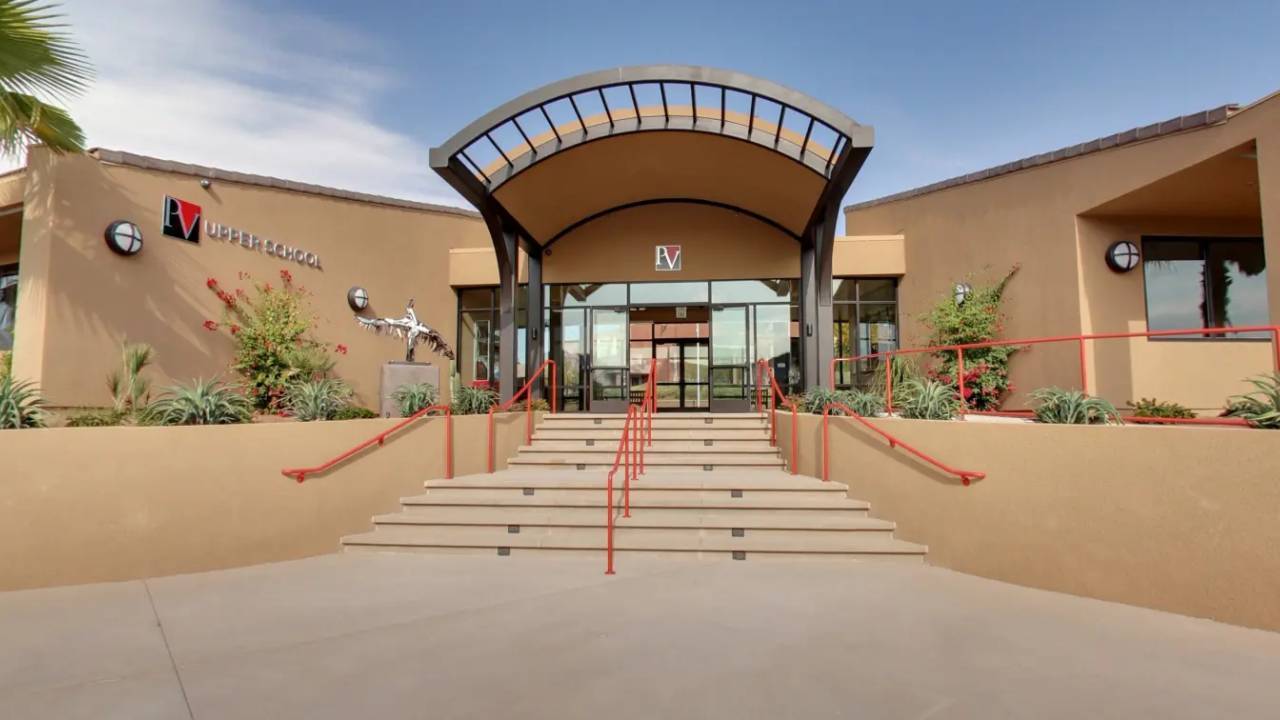
When a 74-year-old institution vanishes over a single weekend, the shockwaves are immediate, but the structural rot usually dates back years. Palm Valley School in Rancho Mirage, California, did not simply collapse when it filed for bankruptcy; its demise was the predictable outcome of declining net assets, mounting liabilities, and a board of trustees that kept collecting tuition checks while financial walls crumbled around them. By the time the 36.63-acre campus on Da Vall Drive was put on the market and subsequently sold at auction for roughly $14.6 million to the Rademaker Trust, parents, teachers, and students were left picking through the wreckage of broken promises.
The closure highlights a brutal truth about independent private education in the modern economic climate. Tuition-dependent schools operating outside major endowments are fragile business entities. When enrollment dips or debt service becomes unmanageable, institutions face an existential math problem that tuition hikes alone cannot solve. Public records show that Palm Valley School's net assets slid from approximately $7.8 million at the end of fiscal 2021 down to $3.7 million by June 2025, while total liabilities hovered near $10.2 million.
Compounding the asset decay, the school took out a $2.5 million loan in September 2025, using the campus property as collateral against a rigid 24-month timeline featuring a heavy balloon payment. Yet, through the spring of 2026, families and faculty members reported a stark disconnect between administrative messaging and reality. As late as March, the institution hosted its annual fundraising gala, accepting donations and sponsorships for the upcoming academic year. Tuition payment reminders went out through May, and families continued submitting enrollment contracts and deposits under the explicit assurance that the campus would remain open.
On June 5, the narrative flipped entirely. The board announced that the school would permanently cease operations, pivoting quickly into bankruptcy proceedings that left staff jobless, enrollment fees unreturned, and students scrambling for mid-summer transfers. For the community, the suddenness of the shift felt less like a standard corporate restructuring and more like an abandonment of fiduciary duty. Teachers who attempted to organize alternative fundraising efforts or question leadership found themselves shut out of financial transparency.
The subsequent court-supervised sale of the property underscores why distressed private schools often end up on the auction block rather than returning to educational use. Purpose-built campuses spanning dozens of acres with athletic fields, gymnasiums, and specialized classrooms represent massive real estate footprints. While the Rademaker Trust acquired the acreage with the zoning remaining institutional for now, the ultimate fate of the land remains an open question in an upscale Coachella Valley market where high-value commercial or residential redevelopment frequently outcompetes non-profit educational longevity.
The wider lesson for independent schools is unforgiving. Transparency cannot be sacrificed to preserve enrollment pipelines. When boards conceal structural insolvency to extract one final semester of tuition and donations from families, they destroy the goodwill required to orchestrate an orderly merger, acquisition, or rescue. Palm Valley School’s history spanned more than seven decades, but its final chapter serves as a cautionary manual on how institutional denial accelerates total financial ruin. Creditors will now line up to sort through the remaining claims under the supervision of the bankruptcy court, while the families who built the community are left to absorb the cost of a collapse that leadership insisted was never coming.