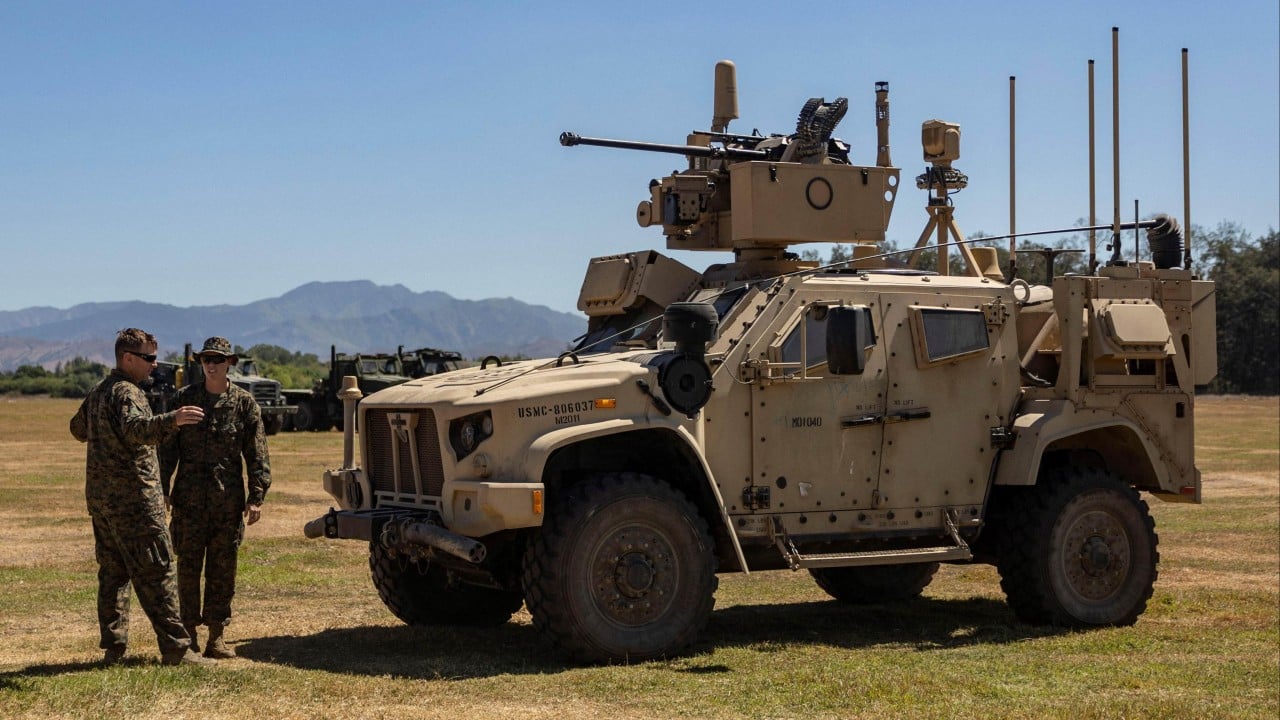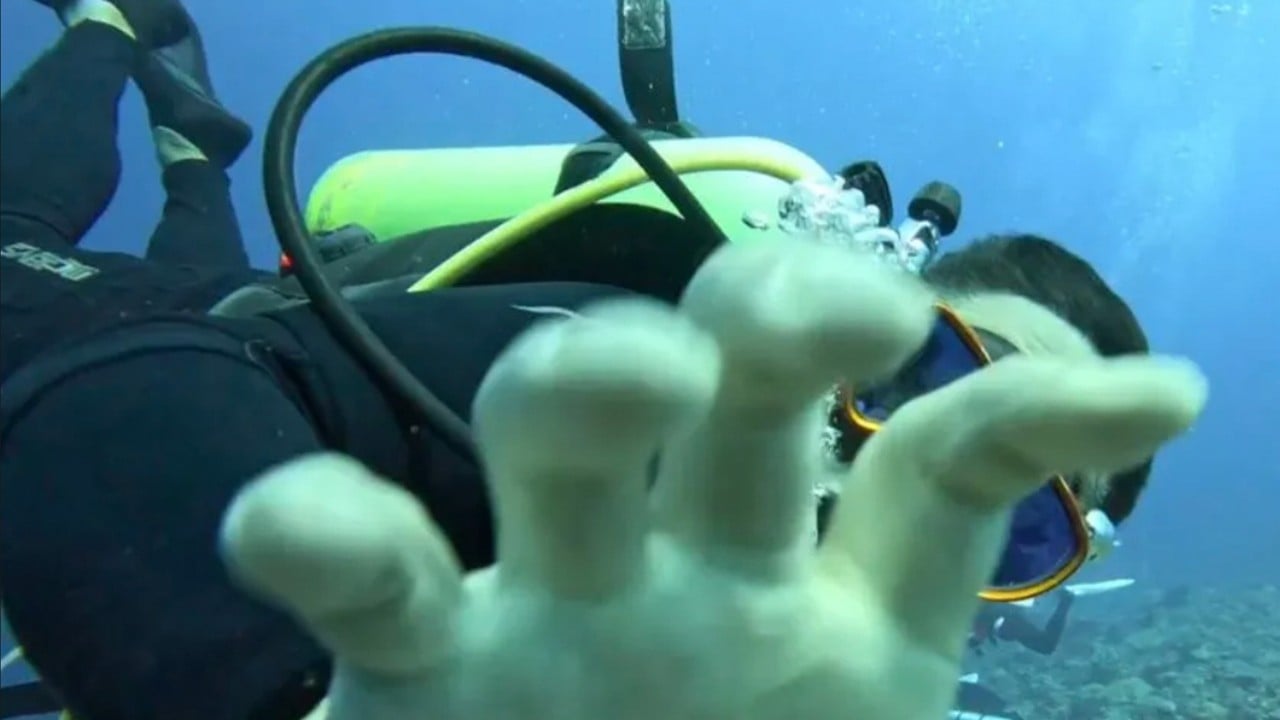
When Taiwanese Mandopop band member Devon Song—also known as Song Jian-zhang and a founding member of Nan Quan Mama—surfaced from a dive at Palau’s Siaes Corner in October 2026, he did not bring back a postcard story of vibrant coral walls or sweeping pelagic currents. He brought back video of an alleged underwater assault involving a South Korean divemaster and his own Bangladeshi dive guide, Sobuj Patwary, triggering police and maritime inquiries in a country that builds its reputation on pristine waters and strict safety.
Most viral coverage treated the clash as a celebrity outrage clip. That framing misses the real story. Don't miss our earlier coverage on this related article.
Beneath the headlines lies an uncomfortable truth about commercial dive tourism in high-current Pacific destinations: crowding, territorial friction between guides, and equipment interference at depth turn minor surface disputes into life-threatening emergencies.
What Happened at Siaes Corner
Siaes Corner, west of Koror, is prized by experienced divers for dramatic drop-offs and brisk currents that demand disciplined buoyancy and spatial awareness. Accounts from Song, Patwary, and staff at Patwary’s dive center describe a confrontation roughly 25 to 30 meters underwater in which a South Korean divemaster—referred to in reporting as Romeo—allegedly charged at the group, tore a fin off Patwary, and interfered with his breathing gear and mask. Dive center staff reported that Patwary choked on water multiple times while trying to recover his air supply before another diver helped him back toward shore. To read more about the background here, NPR offers an in-depth summary.
Song, who has stated he holds 25 years of diving experience and who rose to prominence with Nan Quan Mama alongside songwriting credits for Jay Chou, called the behavior outrageous and compared the risk to murder, rejecting offers of a private settlement. Patwary echoed the gravity of the moment on social media, underscoring a guide’s core duty to get every diver back to the surface safely.
Yet the record is contested. Rival accounts and online debates have pointed to claims of self-defense, allegations that Song’s group drifted into or pushed past another team’s space along a current-swept wall, and disputes over who escalated first. Palauan authorities, including the Palau Bureau of Tourism, the Koror State Government, local police, and the Division of Maritime Law Enforcement, opened investigations while cautioning that fault had not been established.
Why Underwater Aggression Is Uniquely Lethal
On dry land, a shoving match or a grabbed collar is an assault. Thirty meters down, altering someone’s gear changes the physics of survival in seconds.
Every piece of standard scuba or rebreather equipment solves a specific survival problem:
- Breathing gear supplies pressurized gas at ambient water pressure; losing it or having it knocked free while stressed can trigger panic, water aspiration, or a rushed ascent.
- Masks protect vision and allow a diver to orient toward buddies, a wall, or a reference line.
- Fins provide propulsion against currents that can sweep an unassisted diver off a reef edge.
Even without malice, physical contact underwater compounds task loading. When a diver’s breathing rate spikes, carbon dioxide builds up fast, narrowing judgment and making controlled ascent protocols harder to execute.
In high-current reef sites, the margin between a tense encounter and a fatal incident is measured in lost equipment and seconds of lost air, not bruised egos.
The Hidden Economics Behind Reef Crowding
If you have spent years watching resort dive hubs grow across Southeast Asia and the Pacific, the deeper driver of this clash looks familiar. Popular sites like Siaes Corner concentrate dozens of boats and dozens of divers into narrow windows of favorable tide and current.
Guides work under tight schedules, demanding guests, and intense competition for prime positions along a wall or mooring line. When two parties converge on the same stretch of reef, patience thins quickly—especially when guides feel responsible for keeping inexperienced or overeager divers from drifting into danger.
Consider a hypothetical example that illustrates how everyday pressure curdles into conflict. Suppose a guide anchors two guests along a wall in a brisk current while another group approaches from up-current; if the newcomers drift close and a guest kicks near a buddy’s face, one guide may react aggressively out of territorial frustration while the other views the reaction as a reckless threat to life. Neither dynamic excuses putting hands on another diver’s gear, yet both show why crowding breeds hostility when site management relies on informal etiquette rather than clear spacing rules.
Jurisdiction, Accountability, and Gray Areas
Investigating an incident beneath the waves is notoriously difficult. Camera angles rarely capture everything outside the lens, currents disperse physical traces, and witnesses often belong to rival operators with conflicting incentives.
In Palau, joint scrutiny from tourism officials, state authorities, police, and maritime enforcement signals that regulators recognize the reputational and safety stakes of a public brawl at depth. At the same time, legal standards draw sharp lines between heated altercations, reckless endangerment, and aggravated assault or attempted murder—lines that prosecutors and investigators must test against video, witness statements, and diving protocols rather than social media outrage.
There is also a gray area around diver conduct that viral clips tend to flatten. Experienced divers sometimes criticize guides who let clients crowd other teams, while dive professionals push back against recreational divers who film confrontations without maintaining calm buoyancy or clear distance. Both sides can be right about safety etiquette and still fail when tempers flare underwater.
What Operators and Divers Must Change Now
For travelers booking high-current trips, the practical takeaway is straightforward: vet dive operators on group size, guide-to-diver ratios, and briefing discipline before stepping onto the boat. Ask how guides handle crowded drift sites and current hooks so you know what to expect before you hit the water.
Dive operators have an even sharper obligation. Training should treat conflict de-escalation and hands-off boundary setting as non-negotiable safety skills, backed by zero-tolerance policies toward touching another diver’s mask, fins, or air source.
The ocean already tests human limits every time a tank valve opens. Divers should never have to fight another human being just to breathe.