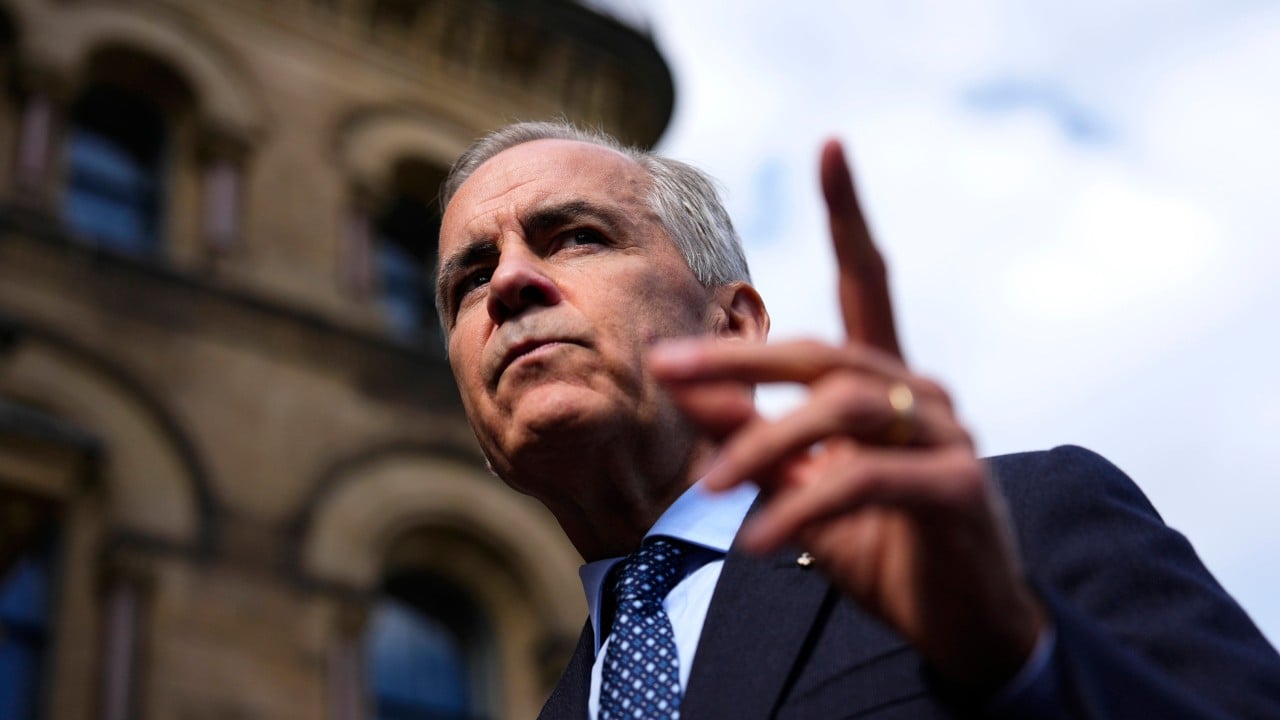
When Canadian Prime Minister Mark Carney looked across the negotiating table last month and saw terms designed to dismantle his country's foundational industries, he did what few modern allied leaders dare to do. He walked away.
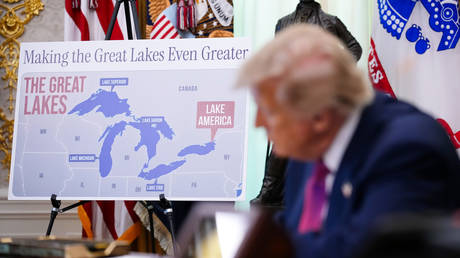
The ensuing cross-border trade rupture between Washington and Ottawa has shattered decades of predictable economic integration, moving past traditional posturing into an open war of tariffs, social media taunts, and competing nationalist narratives. The dispute escalated sharply when Carney publicly told the White House administration to stop producing internet memes, drop the public posturing, and get serious about bilateral diplomacy.
Behind the public rhetoric lies a deeper structural breakdown. This is not a routine diplomatic disagreement over softwood lumber or dairy quotas. It is a fundamental collision between an American administration weaponizing economic gravity and a Canadian government that realized capitulation carried a higher domestic cost than retaliation.
The Mechanics of a Total Stalemate
Trade negotiations between closely integrated neighbors typically rely on slow, incremental compromises. They are managed by bureaucrats who treat trade agreements as technical plumbing.
This dynamic changed when negotiations collapsed over non-tariff demands that Ottawa deemed existential. Washington pushed for structural alterations that would have restricted Canada from striking independent trade pacts with other global partners. Furthermore, American negotiators demanded rollbacks on long-standing cultural protections, including French-language product labeling requirements and media subsidies in Quebec.
For Canadian leadership, these stipulations crossed a red line. Acceptance would mean reducing Canadian manufacturing and cultural sectors to subsidiary extensions of American corporate interests.
Carney pulled his delegation. The response from Washington was immediate: a fifty percent tariff on roughly twenty billion dollars worth of Canadian exports, ranging from specialty metals to energy products. Ottawa countered in kind, matching the penalties dollar for dollar on American goods including agricultural equipment, appliances, and regional spirits.
The Politics of Defiance
Economic nationalism is a powerful electoral drug. In Canada, the immediate consequence of the trade breakdown was an unexpected consolidation of political support behind the incumbent Liberal government. Special legislative elections across key provinces demonstrated that voters were willing to absorb short-term economic pain to defend national sovereignty.
This dynamic highlights a severe miscalculation by the American trade team. Assuming that a smaller economy would inevitably fold when confronted by an economic partner thirteen times its size, Washington underestimated how deeply public sentiment in Canada reacts to threats against its cultural and political independence.
Quebec serves as the primary epicenter of this solidarity. In a political landscape fractured by regionalism, the threat of economic absorption or cultural erasure unites voters across traditional party lines. Carney’s refusal to bend has transformed what could have been a liability into a unifying national defense posture.
Economic Reality Versus Political Theater
Economists warn that the ongoing tit-for-tat duties will shave points off growth projections for both nations. Supply chains built over forty years under successive trade pacts cannot be unplugged overnight without causing severe friction for manufacturers, automakers, and agricultural producers on both sides of the border.
Yet the impasse persists because the incentives for compromise are currently eclipsed by domestic political incentives. In Washington, aggressive trade maneuvers play well with a populist base ahead of midterm elections. In Ottawa, standing up to American bullying provides a rare moment of cross-partisan clarity.
Until both capitals find a diplomatic off-ramp that preserves face for executive leadership, the architecture of North American free trade remains suspended in a permanent state of friction. The border is no longer just a line for moving goods. It has become a permanent test of political endurance where neither side can afford to blink first.