Radar data does not weep. It simply records coordinates, altitudes, and timestamps, reducing human life to sharp downward vectors.
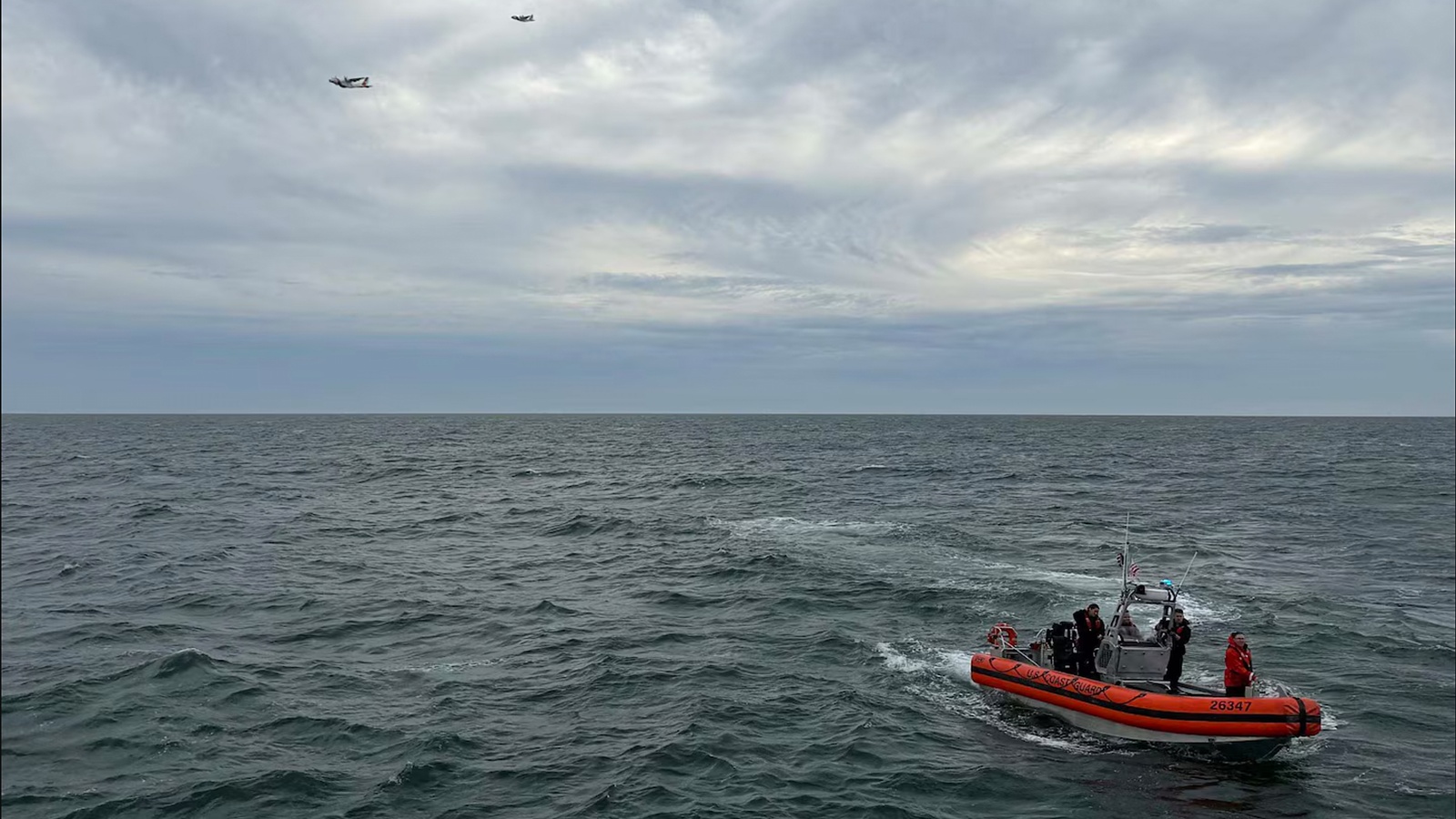
When a Canadian-registered Gulfstream G100 air ambulance jet traveling from Bermuda to Boston plunged roughly fourteen thousand feet in a frantic two-minute window off the coast of Massachusetts, the digital trace told a story of sudden catastrophe. Operating at a cruising altitude of twenty-four thousand feet, the medical transport aircraft dropped through the troposphere at an astonishing rate before controllers lost contact entirely. Within hours, United States Coast Guard crews located a debris field twenty miles south of Nantucket Island in shallow coastal waters. Six souls were on board, including flight crew and medical personnel.
Headlines fixate on the raw metrics of the descent. Fourteen thousand feet in one hundred and twenty seconds is an event horizon from which few crews return. Yet treating this disaster as an isolated anomaly misses the harsher structural vulnerabilities inherent in regional medical transport flights operating over open water during shifting seasonal weather systems.
The Anatomy of a Coastal Descent
Air ambulance operations occupy a brutal operational niche. They combine the time-sensitive urgency of emergency medical care with the complex navigation challenges of commercial aviation.
Flight records and air traffic control audio indicate that the Gulfstream was tracking toward the northeastern seaboard as a complex weather system moved across the region. Transcripts reveal communication challenges, with controllers repeatedly asking the flight crew to clarify transmissions as the aircraft neared the Massachusetts coast. Pilots reported electrical anomalies and declared an emergency just before radar contact dissolved.
When electrical failure strikes a modern flight deck at night over the dark expanse of the Atlantic Ocean, the cockpit environment transforms instantly. Pilots rely heavily on primary flight displays and electronic attitude director indicators. If critical power buses fail, flight crews are forced onto standby instruments while simultaneously trying to manage an emergency descent, navigate severe turbulence, and communicate with ground control.
A vertical speed of seven thousand feet per minute is catastrophic. It suggests either an uncontrolled dive resulting from spatial disorientation or structural failure, or a desperate, high-speed emergency maneuver intended to reach lower altitudes where breathable air and visual flight rules might apply.
The Oversight Gap in Regional Aviation
The public assumes that all aircraft crossing international or interstate borders adhere to identical safety margins. That assumption crumbles beneath the weight of regulatory fragmentation.
While major commercial airlines operate under exhaustive oversight with dual-captain requirements, rigorous flight data monitoring, and mandatory safety management systems, regional charter and air ambulance operators often navigate tighter margins. Economic pressures on smaller operators can translate into compressed maintenance windows, legacy avionics suites, and smaller flight crews who shoulder higher cognitive loads during emergencies.
Flying an air ambulance from Bermuda to Boston means traversing miles of cold, unpredictable ocean water where radar coverage thins and search-and-rescue response times stretch across critical hours. When an aircraft goes down twenty miles south of Nantucket, recovery teams face eighty-to-ninety-foot depths, strong tidal currents, and vast debris fields that complicate the recovery of flight data recorders.
Without the cockpit voice recorder and the flight data recorder, investigators are left piecing together fragmented radar returns and acoustic snippets. The National Transportation Safety Board and the Transportation Safety Board of Canada face months of metallurgical testing on recovered control surfaces to determine whether the jet suffered structural compromise in flight or remained intact until impact.
Beyond the Wreckage Field
As the Coast Guard transitions from active rescue operations to mapping the seabed wreckage, the broader aviation industry absorbs another quiet shock. Every downed medical flight prompts a somber review of cockpit resource management under duress.
The six individuals aboard that Gulfstream were part of a specialized workforce dedicated to moving the critically ill across borders. Their loss reverberates far beyond the hangar. It forces a hard look at whether single-pilot or minimum-crew configurations in complex air ambulance operations provide adequate redundancy when severe weather and electrical failures collide over the ocean.
The sea off Nantucket has reclaimed the physical evidence of the flight, leaving investigators to extract answers from twisted metal and cold digital logs.
Medical Jet Missing Off the Coast of Massachusetts, Plunged Over 10,000 Feet in 2 Minutes
This video provides an overview of the initial reports and flight data concerning the tragic disappearance of the medical transport jet off the Massachusetts coast.


