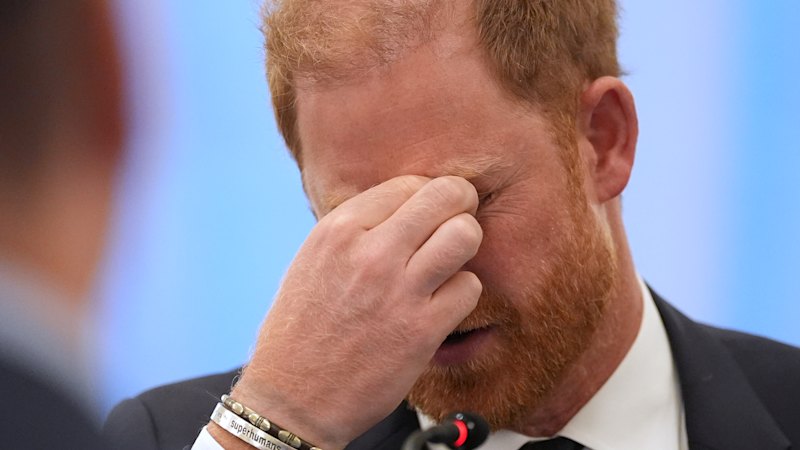
Prince Harry and six other high-profile figures have been ordered to pay an initial £9.54 million to Associated Newspapers, the publisher of the Daily Mail, following the complete collapse of their high-profile privacy lawsuit.
The bill is just the opening installment. Total legal expenses claimed by the publisher sit at an astonishing £34.5 million, leaving the group exposed to a potential total liability that far eclipses their initial insurance safety nets. Beyond the headline numbers, the High Court ruling exposes the raw underbelly of modern civil litigation, where aggressive legal strategies, multi-million-pound insurance policies, and absolute judicial fatigue collide in spectacular fashion.
The Anatomy of a Judicial Rejection
When Justice Matthew Nicklin dismissed the privacy claims brought by the Duke of Sussex, Sir Elton John, and five others, he did not merely rule against them. He systematically dismantled the architecture of their case. The claimants had alleged widespread unlawful information gathering, including phone hacking, landline tapping, and obtaining private data through deception.
Yet, across an intensive eleven-week trial, those accusations crumbled under scrutiny. Justice Nicklin characterized the legal campaign as speculative and substantially inferential, noting a severe lack of primary evidence.
Worse still for the claimant group, the judge applied an indemnity basis to the secondary cost orders. In standard civil litigation, costs must be proven reasonable and proportionate. An indemnity order flips that dynamic entirely. Associated Newspapers does not need to justify every line item of expenditure. The financial burden shifts onto the losing party to absorb the expenses, regardless of how eye-watering the final tally appears.
The Insurance Trap and Escalating Exposure
At the heart of this financial crisis lies a profound miscalculation regarding risk management. When the legal teams originally mapped out their strategies, insurance policies were secured to protect against adverse costs. For this group, those policies capped out at roughly £16 million.
That figure initially felt adequate against early budget projections. But litigation is a living, breathing beast that frequently devours its own budget. As the discovery phase widened and the courtroom battle dragged on, Associated Newspapers accrued bills totaling £34.5 million.
With the initial interim payment of £9.54 million due immediately, the claimants find themselves staring down an unprotected gap. If the publisher pursues the remainder of the bill—and secures further approval from costs judges—the group could be forced to pay an additional £25 million out of pocket. For individuals accustomed to utilizing legal systems as both a shield and a sword, the reality of unhedged exposure is a harsh wake-up call.
The High Cost of Unreasonable Conduct
Judges rarely use language as sharp as that deployed by Justice Nicklin without deep frustration. The court ruled that the conduct of the legal teams representing Prince Harry and his co-claimants was unreasonable to a high degree.
Advanced allegations of the utmost seriousness were brought forward before the foundational evidence was properly established. In civil courts, throwing everything at the wall to see what sticks is a dangerous gamble. When the strategy fails, the judiciary often imposes financial penalties to signal institutional disapproval.
Associated Newspapers seized upon this sentiment, issuing public statements framing the judgment as a vital defense of journalistic integrity against an attempt to systematically dismantle their reputation. Whether viewed through the lens of corporate defense or celebrity accountability, the financial fallout serves as a cautionary tale for anyone entering a courtroom with a narrative rather than proof.
Navigating the Road Ahead
The immediate administrative deadline requires the initial £9.54 million to be settled, forcing lawyers to scramble for liquidity or test the limits of their remaining insurance frameworks. Meanwhile, specialist costs judges loom on the horizon, ready to audit whatever portions of the bill remain contested.
Appeals remain a theoretical option, but mounting a challenge against a costs judgment rooted in a finding of unreasonable conduct is an uphill battle with steep financial stakes. The illusion of clean, predictable litigation has evaporated under the weight of judicial reality.