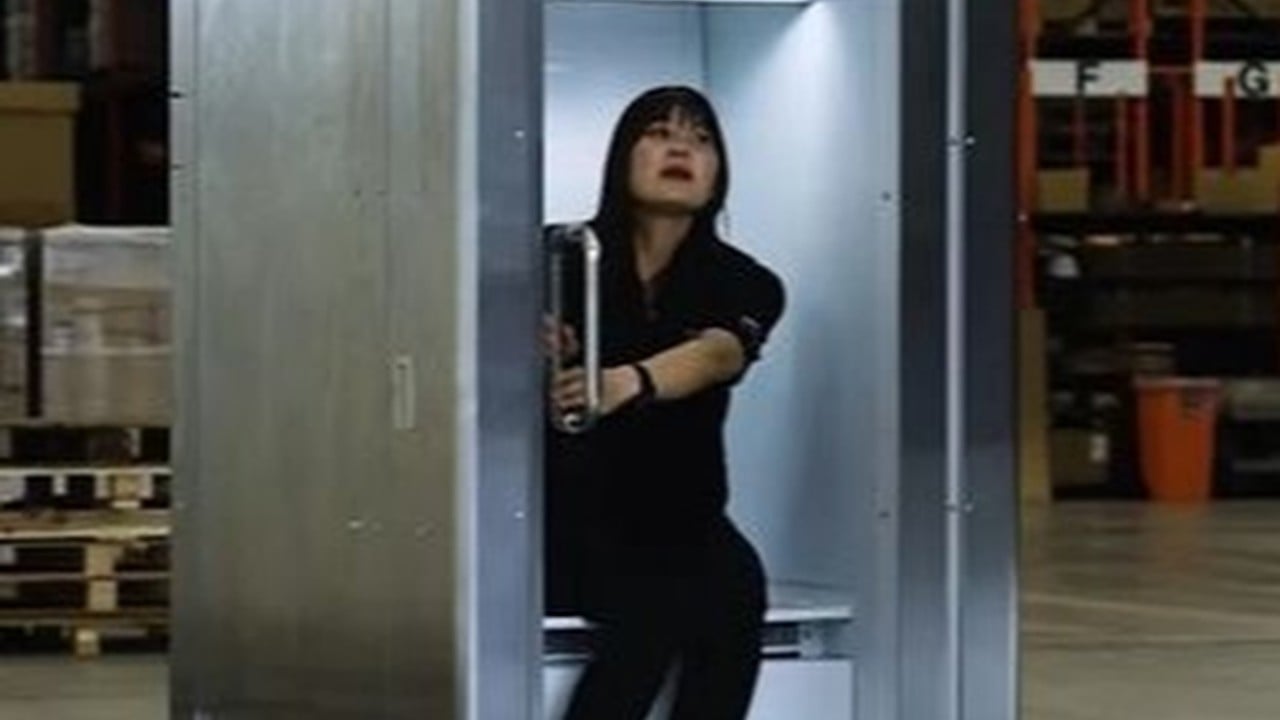
The mercury hit forty degrees Celsius in downtown Tokyo, and the pavement felt like a skillet. Asalaryman in a soaked polyester suit ducked into a commercial showroom in Shinjuku, seeking shelter from an atmosphere that felt less like air and more like a steam bath. Inside, waiting behind a brushed steel door, was a device that looked suspiciously like a morgue crypt or a high-end wine cooler, but marketed under a entirely different premise. It was a human-sized refrigerator. Not a metaphor for an air-conditioned room, but an actual thermally insulated cabinet designed for a single living person to climb inside, shut the door, and rapidly drop their core body temperature.
Urban heat is no longer an seasonal inconvenience across the Japanese archipelago. It is an existential crisis. Climate shifts have turned concrete jungles into permanent pressure cookers, and traditional air conditioning struggles to keep pace when ambient urban temperatures refuse to drop even after sunset. Enter the niche engineering firms building personal cooling chambers, devices that command prices upwards of one million yen. This is not a novelty product dreamed up by a marketing department seeking quick viral attention on social media. It is a symptom of a society adapting to extreme meteorological realities through hyper-individualized thermal defense.
The Thermodynamics of Urban Heat Survival
Standard air conditioning cools rooms, not bodies. When ambient temperatures hover near human body temperature and humidity spikes past eighty percent, evaporative cooling via human perspiration fails completely. Sweat stops evaporating. The body loses its primary mechanism for thermal regulation, leading to rapid heat exhaustion, cognitive decline, and heatstroke.
Industrial cooling chambers solve this through forced convection and direct surface chilling. A person steps into the insulated vertical pod, and within seconds, precision-controlled chilled air or cooled contact surfaces strip excess thermal energy directly from the skin. The physiological relief is almost immediate. Blood vessels constrict, heart rates drop from panic-level spikes back to resting baselines, and the brain stops fogging over.
Yet, the engineering feat masks a troubling reality. We have reached a point in urban design where outdoor survival requires technological life support systems reminiscent of deep-sea diving or space exploration. When public spaces become lethal, the burden of survival shifts entirely to the individual. You do not fix a boiling city by building better personal boxes for citizens to hide in. You fix it by changing how cities retain heat.
The Market Mechanics Behind the Million Yen Price Tag
Why would anyone spend the equivalent of a used compact car on a glorified cooling locker? The answer lies in Japan's aging demographic and the staggering economic toll of heat-related illnesses among outdoor laborers, elderly residents, and factory workers who lack climate-controlled workstations.
Manufacturing plants, construction sites, and logistics hubs face severe productivity losses during peak summer months. Workers slow down to avoid collapse, errors multiply, and compensation claims for heatstroke skyrocket. For corporate buyers, a one-million-yen cooling unit is an investment in risk mitigation. Keeping a veteran welder or a logistics supervisor alive and functioning through a July heatwave pays for the hardware within a single fiscal quarter.
Consumer adoption, however, tells a different story. Affluent urbanites living in poorly insulated apartments with restrictive municipal zoning laws regarding exterior air conditioning units are turning to indoor climate control alternatives. These devices do not require drilling holes in historic facades or altering apartment building envelopes. They plug into standard wall outlets and pull heat away from the occupant rather than attempting to cool an entire volumetric space.
The market is small, specialized, and fiercely competitive among boutique engineering firms. These are not mass-produced consumer electronics rolling off automated assembly lines in Shenzhen. They are hand-assembled thermal units utilizing medical-grade compressors, heavy-duty insulation panels, and custom-molded interior ergonomics designed to prevent claustrophobia while maximizing surface contact with chilled air currents.
The Psychological Toll of Enclosed Relief
There is a distinct psychological weight to stepping inside a cooling pod to escape the weather. It triggers associations that run counter to relaxation. The sound of heavy gaskets sealing shut, the hum of high-pressure compressors, and the dim interior illumination create a sensory environment that feels clinical rather than comforting.
Early testers report a brief moment of disorientation. The contrast between the blinding, suffocating glare of a Tokyo sidewalk and the silent, sub-zero hush of an insulated metal tube is jarring. But within sixty seconds, the biological imperative takes over. Shivering replaces sweating. The panic of overheating subsides, replaced by a strange, artificial equilibrium.
Critics point out the irony. These machines consume significant electrical power, drawing energy from a grid that is already strained by nationwide air conditioning demands. Every kilowatt-hour used to run a personal refrigerator pod adds to the overall thermal waste dumped back into the urban microclimate through exterior condenser units. It is a closed-loop trap. The hotter the city gets, the more energy we spend on localized cooling, which in turn warms the surrounding air even further.
The Broader Implications for Global Infrastructure
Japan’s embrace of extreme personal cooling hardware serves as a preview for the rest of the industrialized world. As global temperature anomalies become baseline expectations, cities from Southern Europe to the American Sunbelt will face the same infrastructure failures.
We are witnessing the privatization of climate adaptation. Public parks lack adequate tree canopy cover, urban heat island effects turn asphalt into radiating heaters, and municipal governments lack the capital or political will to fundamentally redesign cities for a warmer epoch. Instead of systemic cooling through massive reforestation, white-roof mandates, and the elimination of heat-trapping surfaces, the market offers a product you can buy for your living room or corporate breakroom.
If you have the capital, you buy a human-sized refrigerator. If you do not, you manage with a handheld plastic fan and hope for the best.
The companies manufacturing these devices understand this dynamic perfectly. They are not selling luxury gadgets. They are selling insurance against a changing planet. As long as urban authorities fail to engineer public spaces capable of sustaining human life during summer months, the market for personal thermal isolation chambers will continue to thrive, regardless of how absurd the premise sounds to outsiders looking in.
The door seals shut. The compressor hums to life. The heat outside remains relentless.